Find Your Perfect Indian Adventure Destination
Select your preferences below to get a personalized recommendation for your next adrenaline fix in India.
Rishikesh
Rafting & Bungee
Goa
Beach & Air
Ladakh
Mountains & Snow
Munnar
Nature & Hills
Your Adventure Profile
Select your preferences and click "Find My Match" to see where you should go.
You might think the answer to "which is the most visited destination in India?" is obvious. You picture the marble mausoleum in Agra or the bustling streets of Mumbai. And you’d be right about the numbers. But if you are here because you love adventure sports India, the standard tourist trail might feel a bit slow. The real question isn't just where the crowds go, but where the thrill-seekers go.
India is massive. It’s a land of stark contrasts where you can climb snow-capped peaks in the morning and swim in tropical waters by afternoon. To find the best spot for your next adrenaline fix, we need to look past the general tourism stats and dig into the specific hubs that draw adventure travelers from around the world.
The Undisputed King: Agra and the Taj Mahal
If we are talking pure visitor numbers, Agra is the city that hosts the Taj Mahal, one of the Seven Wonders of the World. In 2025 alone, the Taj Mahal complex welcomed over 7 million visitors. That is a staggering number. People fly in just to see it, take a photo, and leave. For an adventure seeker, Agra itself doesn’t offer much beyond history. However, its location makes it a strategic base. It sits on the Golden Triangle route (Delhi-Agra-Jaipur), which means infrastructure is top-notch. You can reach it easily, find gear rentals nearby, and use it as a starting point for desert safaris in the nearby Thar Desert or river cruises on the Yamuna. It’s not the adventure capital, but it’s the gateway.
Rishikesh: The Global Capital of White Water Rafting
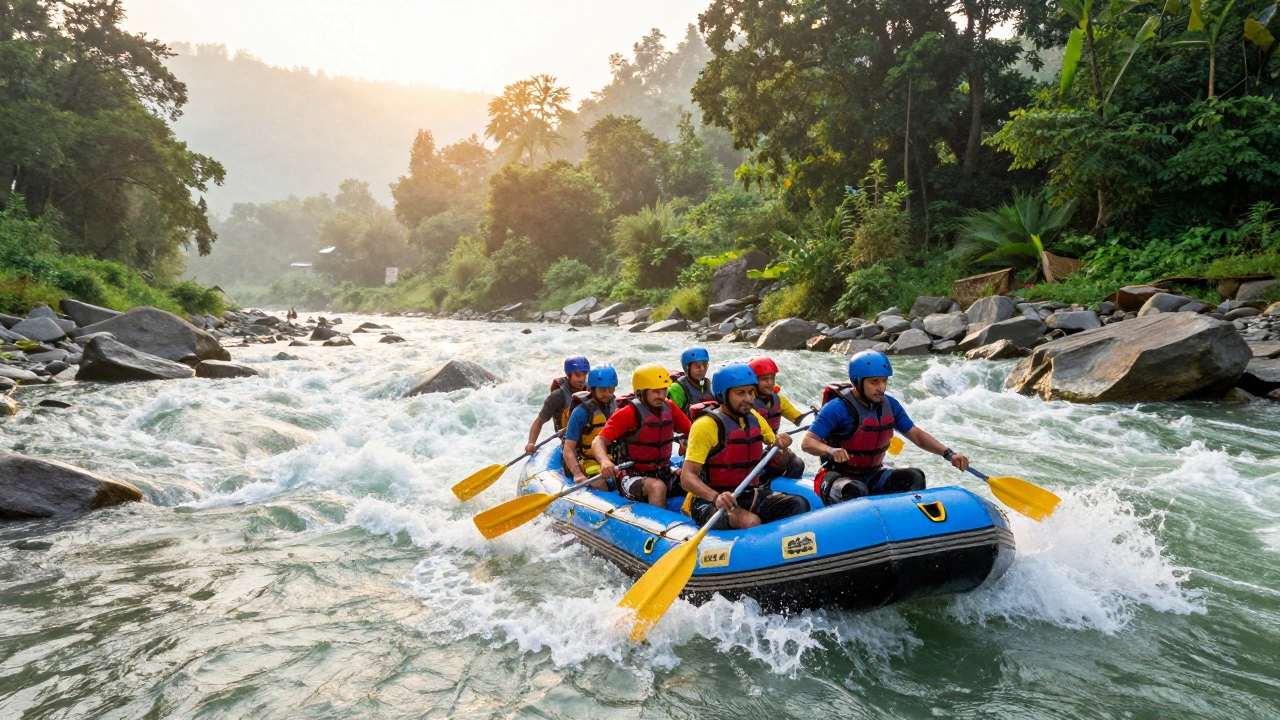
Now, let’s talk about where the action actually happens. If you ask any international adventurer where they went in India for water sports, the answer is almost always Rishikesh is a town in Uttarakhand known as the yoga capital of the world and a hub for white water rafting. Located in the Himalayan foothills, Rishikesh offers Grade II to IV rapids on the Ganges River. The season runs from September to June, with the peak months being March to May when the water levels are perfect for rafting without being too dangerous.
But it’s not just rafting. Rishikesh is also a mecca for bungee jumping. The Jumpin Heights facility there features one of the highest commercial bungee jumps in Asia, dropping you 83 meters into the valley. Rock climbing and trekking trails radiate out from the town, making it a year-round destination for those who want to push their physical limits. Unlike Agra, where you observe history, here you create your own story through movement and risk.
Goa: Beyond the Beaches
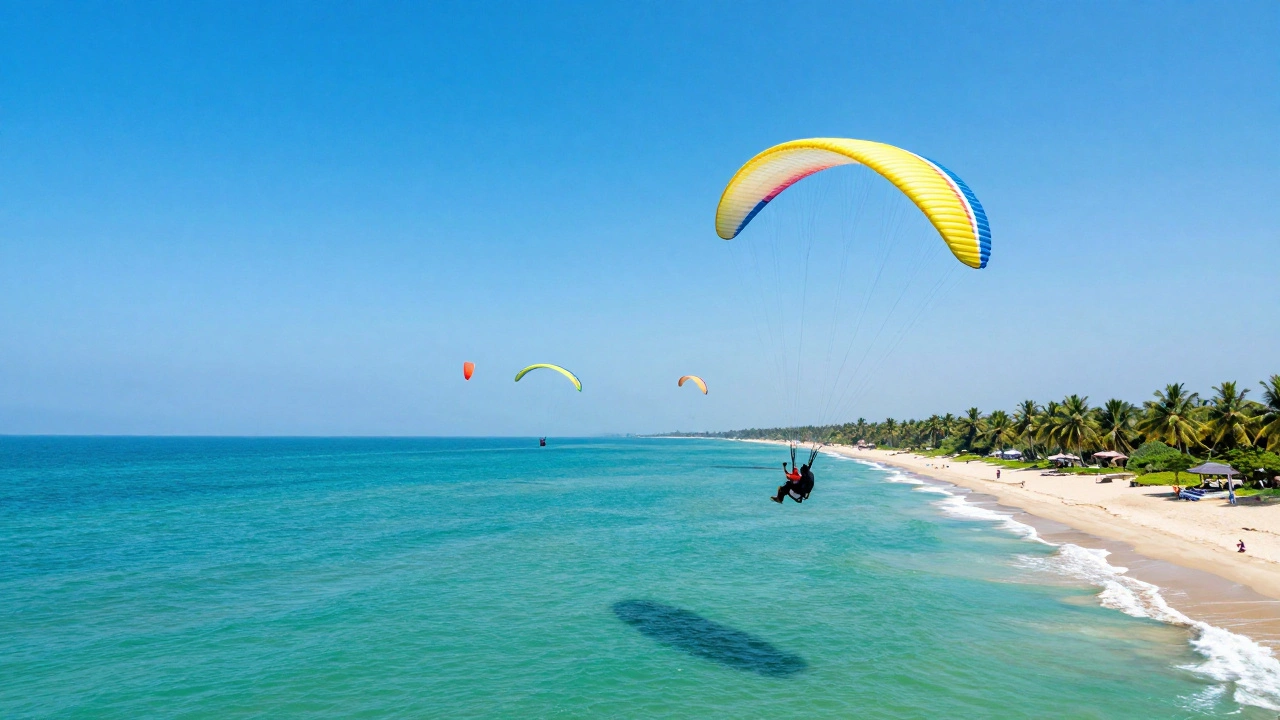
When people hear "Goa," they think of parties and sunbathing. And yes, Goa is a coastal state in western India famous for its beaches, nightlife, and Portuguese heritage. receives millions of tourists annually. But for the adventure crowd, Goa is a playground. Paragliding is huge here, especially at Agonda Beach and Colva Beach, where thermal currents allow for long, stable flights over the Arabian Sea. Scuba diving and snorkeling spots like Chorao Island and Divar Island offer clear waters teeming with marine life. Jet skiing, banana boat rides, and speed boating are available almost everywhere along the coast. The beauty of Goa is that you can have a high-adrenaline morning followed by a relaxed evening. It’s accessible, affordable, and has excellent connectivity from major cities.
Ladakh: The Ultimate High-Altitude Challenge
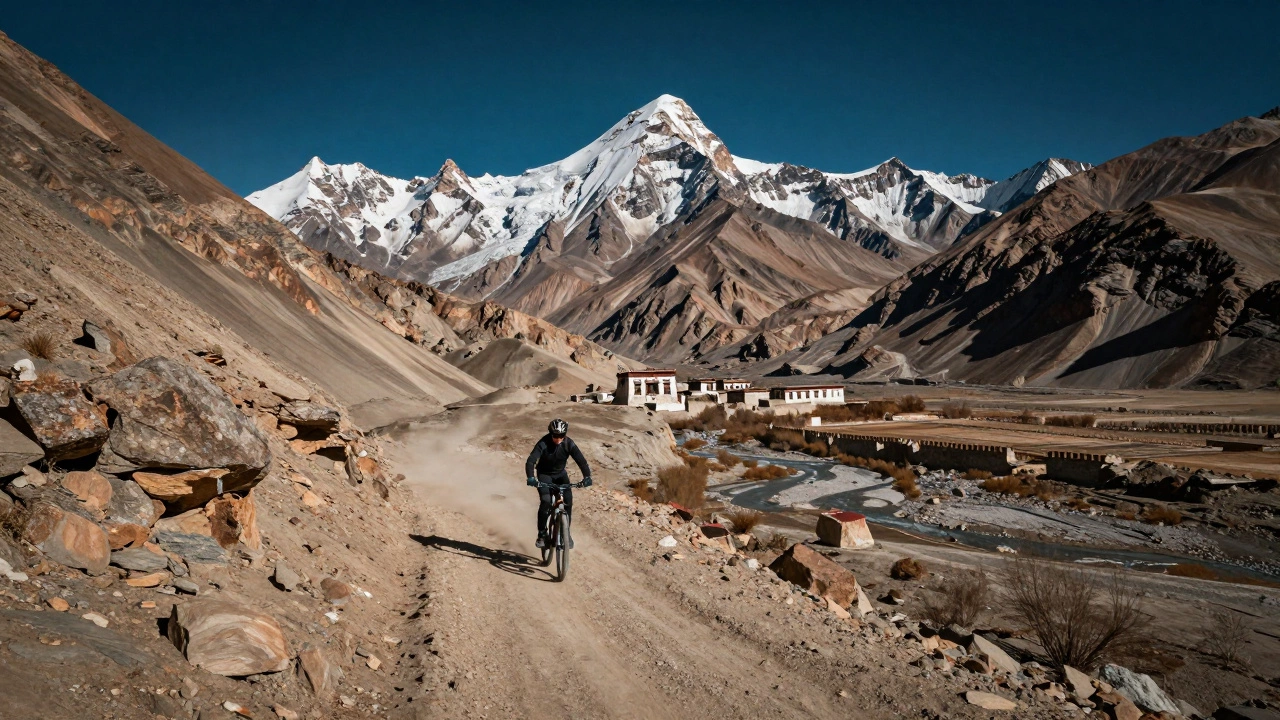
If you want to test your endurance, head north to Ladakh is a region in northern India known for its high-altitude deserts, monasteries, and rugged mountain terrain. This is not for the faint-hearted. The roads here, like the Srinagar-Leh highway, are some of the most scenic and challenging drives in the world. Mountain biking across these passes is a dream for many cyclists. Trekking routes like the Markha Valley Trek take you through remote villages, alpine lakes, and ancient monasteries. Camping under the stars at 14,000 feet is an experience that stays with you forever. The best time to visit is between June and September, when the weather is mild enough for outdoor activities. Winter travel is possible but requires serious preparation and local expertise.
Munnar: Hill Station Adventures
In the south, Munnar is a hill station in Kerala known for its tea plantations, misty hills, and wildlife sanctuaries. offers a different kind of adventure. While it’s famous for its serene tea gardens, it’s also a hotspot for zip-lining, mountain biking, and trekking. The Eravikulam National Park, home to the endangered Nilgiri Tahr, offers guided nature walks and bird watching. The cool climate makes it a great escape from the Indian summer. Adventure camps are common here, offering multi-day packages that include rock climbing, rappelling, and kayaking on the nearby rivers. It’s a more moderate level of adventure compared to Ladakh or Rishikesh, making it suitable for beginners and families.
| Destination | Primary Activity | Best Time to Visit | Skill Level | Approx. Cost (USD) |
|---|---|---|---|---|
| Rishikesh | White Water Rafting | March - May | Beginner to Advanced | $50 - $150 per activity |
| Goa | Paragliding / Water Sports | November - February | Beginner | $30 - $100 per activity |
| Ladakh | Trekking / Mountain Biking | June - September | Intermediate to Advanced | $200 - $500 per day (camping) |
| Munnar | Zip-lining / Trekking | October - March | Beginner | $20 - $80 per activity |
| Agra | Desert Safari | October - March | Beginner | $40 - $120 per tour |
How to Choose Your Adventure Spot
Picking the right destination depends on three things: your fitness level, your budget, and the season. If you are new to adventure sports, start with Goa or Munnar. The risks are lower, and the infrastructure is well-developed for tourists. If you have some experience, Rishikesh offers a fantastic mix of water and land activities. For seasoned adventurers who crave isolation and extreme conditions, Ladakh is unmatched. Always check the weather forecasts before you go. Monsoon seasons (July to September) can make trekking and rafting dangerous due to landslides and swollen rivers. Winter in the Himalayas can be brutally cold, so pack accordingly.
Don’t forget to respect local cultures and environments. Many adventure zones overlap with protected wildlife areas or sacred sites. Follow Leave No Trace principles. Hire certified guides who know the terrain and safety protocols. Your safety is paramount, and professional guidance can make the difference between a thrilling experience and a disaster.
Safety First: Essential Tips
- Certification Matters: Ensure your rafting or paragliding operator has valid certifications from recognized bodies like the International Rafting Federation or local tourism boards.
- Insurance is Non-Negotiable: Standard travel insurance often excludes adventure sports. Buy a policy that specifically covers activities like bungee jumping, scuba diving, or high-altitude trekking.
- Acclimatize Slowly: When traveling to high-altitude regions like Ladakh or Manali, spend at least two days acclimatizing to avoid Acute Mountain Sickness (AMS). Symptoms include headache, nausea, and dizziness. If they persist, descend immediately.
- Hydrate and Fuel Up: Adventure sports burn calories quickly. Carry enough water and high-energy snacks. Dehydration can set in fast, especially in hot climates like Rajasthan or Goa.
- Know Your Limits: It’s okay to say no. If a guide suggests a route or activity that feels too risky, trust your instincts. There will be other opportunities.
Planning Your Trip: A Quick Checklist
- Define Your Goal: Are you looking for relaxation with a side of adventure, or do you want to push your limits?
- Check the Season: Avoid monsoons for trekking and rafting. Winter is great for skiing in Gulmarg but harsh for Ladakh.
- Book Accommodations Early: Popular spots like Rishikesh and Goa get crowded during peak seasons. Booking in advance ensures better rates and availability.
- Pack Smart: Bring lightweight, moisture-wicking clothing. Sturdy hiking boots are essential for trekking. Don’t forget sunscreen and insect repellent.
- Connect Locally: Use apps or forums to connect with other travelers. Sharing experiences can lead to unexpected partnerships and insider tips.
India offers something for every type of adventurer. Whether you are floating down the Ganges, soaring over the Arabian Sea, or trekking through the Himalayas, the memories you make will last a lifetime. The key is to plan wisely, stay safe, and embrace the unknown. So, pack your bags, lace up your boots, and get ready for the ride of your life.
Is Rishikesh safe for beginners in white water rafting?
Yes, Rishikesh is very popular among beginners. The Ganges River offers several sections with Grade II and III rapids, which are manageable for first-timers. Professional instructors provide thorough briefings and safety gear. Just follow their instructions closely and don't panic if you fall in; the life jackets keep you afloat.
What is the best time to visit Ladakh for trekking?
The ideal window for trekking in Ladakh is from mid-June to late September. During this period, the temperatures are pleasant, ranging from 15°C to 25°C during the day. The roads are open, and the landscapes are lush. Avoid winter unless you are experienced in cold-weather survival, as temperatures can drop below -20°C.
Can I do adventure sports in Goa during the monsoon?
It is generally not recommended. The Arabian Sea becomes rough, and water sports operators shut down due to safety concerns. Heavy rains can also cause landslides in the Western Ghats. Wait until November when the weather clears up, and the sea calms down for optimal conditions.
Do I need special permits for trekking in India?
For most popular trekking routes, no special permit is needed. However, certain areas near borders, like parts of Ladakh, Himachal Pradesh, and Northeast India, require Inner Line Permits (ILP) or Protected Area Permits (PAP). These can usually be arranged through your tour operator or obtained online via government portals. Always check the latest regulations before you travel.
How much does a typical adventure trip in India cost?
Costs vary widely. A weekend trip to Rishikesh for rafting and camping might cost around $100-$200 per person, including accommodation and activities. A week-long trek in Ladakh could range from $500 to $1,000 depending on the level of comfort and private vs. group tours. Budget travelers can find cheaper options by staying in hostels and using public transport.