Adventure Destination Planner
Select your preferred activity type, travel season, and budget to find the best destination for you.
Rafting
Water SportsFlying
Paragliding / SkydivingTrekking
MountainsDiving
Scuba / SnorkelingDesert
Off-roading / SafariClimbing
Rock / BungeeDestination Name
CostIndia is not just about temple tours and heritage sites. It is a playground for adrenaline junkies who crave the raw power of nature. From the freezing peaks of the Himalayas to the tropical backwaters of Kerala, the country offers diverse landscapes that cater to every type of thrill seeker. Whether you want to slide down a waterfall on a rope or fly through the air like a bird, there is a spot waiting for you.
The adventure tourism industry in India has grown rapidly over the last decade. Local operators now follow international safety standards, making it safer than ever to try extreme sports. You do not need to be an Olympic athlete to enjoy these activities. Most places offer beginner-friendly options with professional guides who ensure your safety while pushing your limits.
What are the best months for adventure sports in India?
The best time depends on the activity. For mountain adventures like trekking and paragliding in the North, October to June is ideal. Monsoon season (July-September) makes trails slippery and risky. For water sports like rafting and scuba diving, post-monsoon months from September to November offer calm waters and good visibility.
High Altitude Thrills in the Himalayas
The northern states of India host some of the world's most iconic adventure spots. The Himalayas provide a dramatic backdrop for activities that test your endurance and courage. These regions are home to high-altitude treks, river expeditions, and aerial sports that offer views you will never forget.
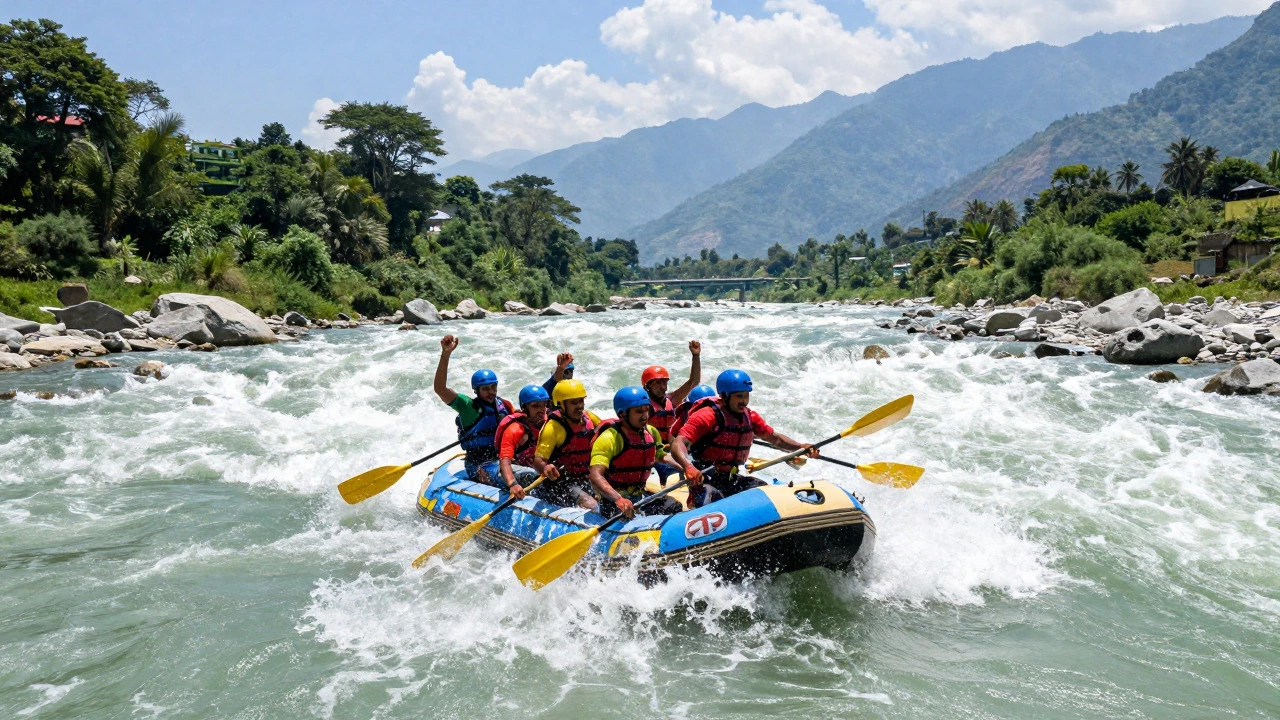
Rishikesh is known as the Yoga Capital of the World, but it is also the hub for white water rafting in India. The Ganges River flows through deep gorges here, creating rapids ranging from Grade II to Grade V. Beginners can start with the gentle stretches near Laxman Jhula, while experienced rafters tackle the intense Beas Kund section. The season runs from March to May and September to November when the water levels are safe and exciting.
Just a short drive away lies Bhimtal, which hosts one of the few bungee jumping sites in India. Operated by Jumpin Heights, this site features a 160-foot jump over a lake. It is perfect for those who want a quick burst of adrenaline without committing to a multi-day expedition. The facility uses certified equipment and trained instructors to ensure a safe experience.
Flying High: Paragliding and Skydiving Spots
If you have always wanted to see the world from a bird's eye view, India offers several spectacular locations for paragliding and skydiving. These activities require minimal physical effort but maximum trust in your instructor and the weather conditions.
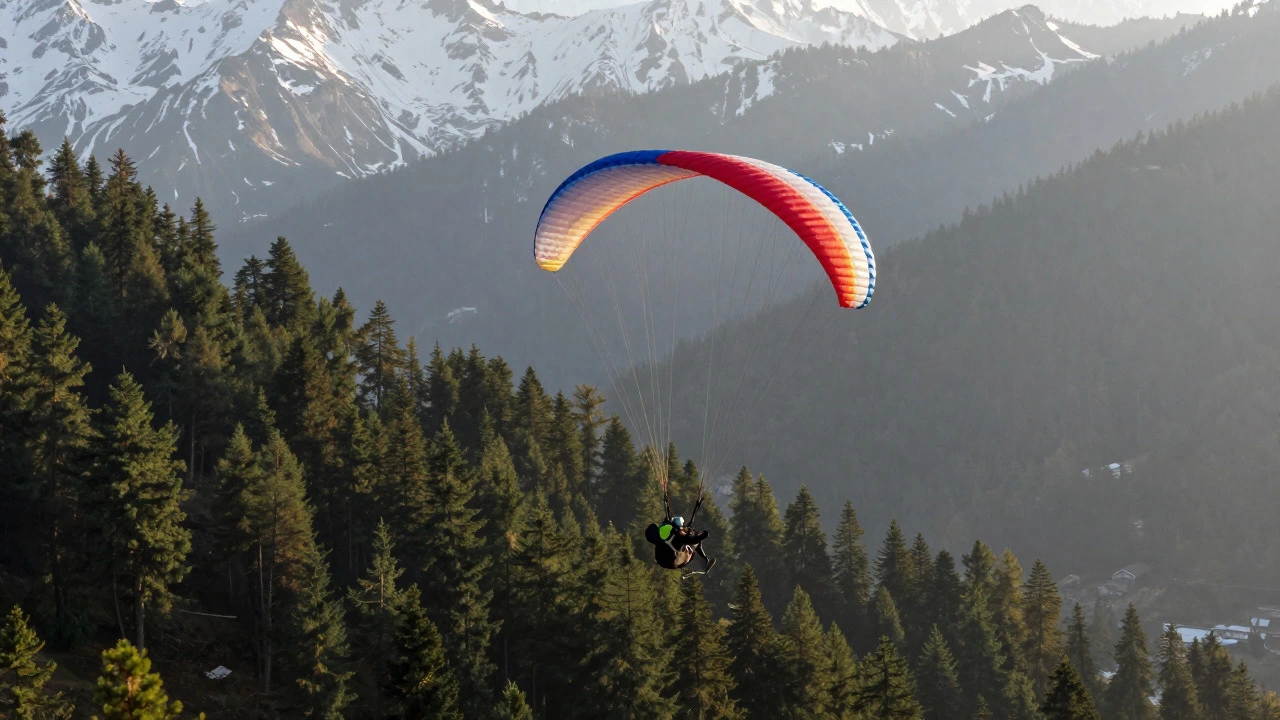
Manali is perhaps the most famous destination for paragliding in India. Located in Himachal Pradesh, it offers tandem flights that take off from Solang Valley. You soar over lush green valleys, snow-capped peaks, and winding rivers. The flight lasts about 15 to 20 minutes, giving you enough time to capture stunning photos and videos. The best season is from April to October when the winds are stable.
For something more extreme, consider Goa. While known for its beaches, Goa is also a top spot for skydiving in India. Operators like Skydive Goa offer jumps from altitudes of 10,000 to 15,000 feet. You freefall at speeds up to 120 mph before deploying your parachute. This activity is suitable for beginners and provides an unforgettable sense of freedom against the backdrop of the Arabian Sea.
Trekking Trails for Every Skill Level
Trekking is the backbone of adventure travel in India. The country boasts thousands of trails ranging from easy day hikes to challenging multi-week expeditions. Each trail offers unique cultural experiences, wildlife sightings, and breathtaking scenery.
Beginners should start with the Triund Trek near Dharamshala in Himachal Pradesh. This moderate 9-kilometer round trip takes you through oak and rhododendron forests to a meadow with panoramic views of the Dhauladhar range. It can be completed in a day or two, making it accessible for most fitness levels.
For intermediate trekkers, the Hampta Pass Trek in Himachal Pradesh is a must-do. This five-day journey crosses from the lush Kullu Valley to the arid Lahaul Valley. You pass through pine forests, alpine meadows, and high-altitude passes at 4,270 meters. The changing landscapes within a single trek make it one of the most visually rewarding experiences in the country.
Advanced trekkers can challenge themselves with the Kedarkantha Trek in Uttarakhand. During winter, this trek transforms into a snow-covered paradise. You camp under starry skies and hike through frozen lakes and dense deodar forests. The summit offers a 360-degree view of the surrounding Himalayan peaks, including Bandarpoonch and Swargarohini.
Water Adventures Beyond Rafting
While rafting gets all the attention, India’s waterways and coastlines offer other thrilling aquatic adventures. From kayaking in serene backwaters to diving in coral reefs, there is plenty to explore beneath the surface.
Munnar in Kerala is gaining popularity for rock climbing and rappelling. The steep terrain around the tea plantations provides natural walls for climbers of all levels. Guided sessions teach you basic techniques and safety protocols, allowing you to scale heights of up to 30 meters safely.
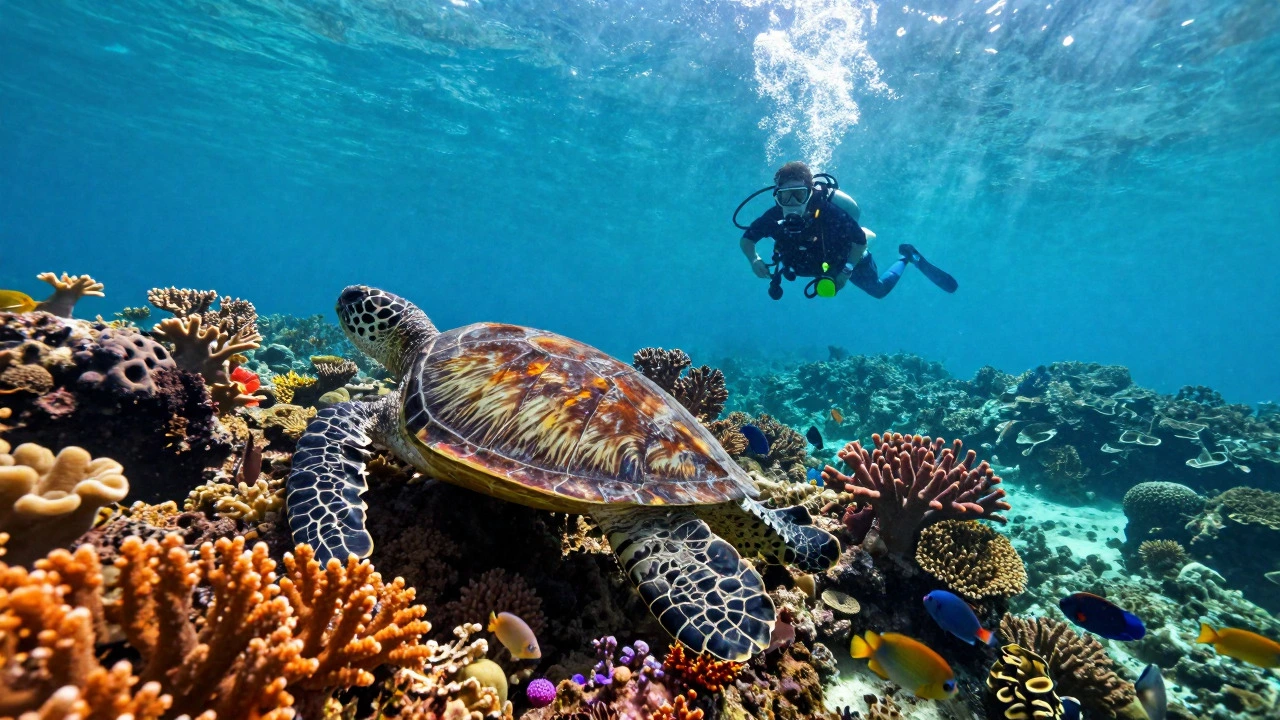
In the Andaman and Nicobar Islands, Havelock Island is a paradise for scuba diving and snorkeling. The crystal-clear waters reveal vibrant coral gardens and diverse marine life, including sea turtles, manta rays, and colorful fish. Certified dive centers offer courses for beginners and advanced divers alike. The visibility often exceeds 20 meters, making it one of the best diving spots in Asia.
Desert Expeditions and Off-Roading
Not all adventure happens in mountains or water. The vast deserts of Rajasthan offer unique opportunities for off-roading, camel safaris, and desert camping. The stark beauty of the Thar Desert provides a different kind of thrill.
Jaisalmer is the gateway to the golden sands. Here, you can join jeep safari tours that take you across sand dunes at high speeds. These vehicles are modified to handle the shifting terrain, providing a bumpy yet exhilarating ride. After sunset, many tours include traditional folk music and dance performances around a bonfire, adding a cultural dimension to the adventure.
For a slower pace, camel safaris allow you to traverse the dunes while experiencing the local lifestyle. You visit remote villages, interact with nomadic communities, and sleep under the stars in desert camps. This combination of physical activity and cultural immersion makes it a memorable experience.
Safety Tips and Essential Gear
Before embarking on any adventure, prioritize safety. Research your operator thoroughly. Look for certifications from recognized bodies like the International Mountain Guides Association or local tourism boards. Check reviews from previous participants to gauge reliability.
- Wear appropriate clothing: Layered clothing works best in variable weather conditions. Moisture-wicking fabrics keep you dry and comfortable.
- Carry essential gear: Sturdy hiking boots, sunscreen, hats, and hydration packs are non-negotiable for most activities.
- Stay hydrated: Dehydration can set in quickly at high altitudes or in hot climates. Drink water regularly, even if you do not feel thirsty.
- Respect local guidelines: Follow instructions from guides regarding altitude sickness, wildlife encounters, and environmental conservation.
- Get travel insurance: Ensure your policy covers adventure sports and medical evacuation in case of emergencies.
Listen to your body. If you feel dizzy, nauseous, or overly fatigued, stop and rest. Pushing through symptoms can lead to serious health issues, especially at high altitudes where oxygen levels are lower.
Comparison of Top Adventure Destinations
| Destination | Primary Activity | Best Season | Skill Level | Estimated Cost (USD) |
|---|---|---|---|---|
| Rishikesh | White Water Rafting | Mar-May, Sep-Nov | Beginner to Advanced | $30 - $80 per person |
| Manali | Paragliding | Apr-Oct | Beginner | $40 - $60 per person |
| Goa | Skydiving | Nov-Mar | Beginner to Intermediate | $250 - $400 per jump |
| Himachal Pradesh | Trekking (Hampta Pass) | Jun-Sep | Intermediate | $150 - $300 for 5 days |
| Andaman Islands | Scuba Diving | Oct-May | Beginner to Advanced | $50 - $150 per dive |
Planning Your Adventure Trip
Start planning at least three months in advance. Book accommodations and activity slots early, especially during peak seasons. Many popular treks and rafting routes have limited permits or group sizes to protect the environment.
Consider combining multiple activities in one trip. For example, you can trek in Manali and then paraglide in Solang Valley. Or combine scuba diving in Havelock Island with snorkeling in Neil Island. This maximizes your experience and reduces travel time between locations.
Learn basic skills beforehand. Taking a short course in first aid, navigation, or knot tying can enhance your confidence and safety. Many online platforms offer affordable courses that prepare you for outdoor challenges.
Is adventure sports in India safe for foreigners?
Yes, adventure sports in India are generally safe for foreigners. Reputable operators adhere to international safety standards and provide English-speaking guides. However, always verify certifications and read recent reviews. Avoid unlicensed operators offering cheap deals, as they may cut corners on safety equipment.
Do I need special visas for adventure activities?
Most tourists enter India on an e-Visa, which allows participation in standard adventure activities. However, certain restricted areas in the Himalayas and Northeast require special permits (Inner Line Permits). Your tour operator usually arranges these for you. Always check current visa regulations before traveling.
What is the age limit for adventure sports?
Age limits vary by activity. Paragliding and rafting typically allow participants aged 10 and above with parental consent. Skydiving usually requires participants to be at least 18 years old due to liability reasons. Trekking has no strict age limit but depends on physical fitness. Always consult with operators for specific requirements.
Can I do adventure sports during monsoon season?
Monsoon season (July-September) is generally not recommended for most adventure activities. Heavy rains cause landslides, leech infestations, and slippery trails. White water rafting levels become dangerously high. Some water sports like kayaking in calm backwaters might still be possible, but check local conditions carefully.
How much does a typical adventure trip cost?
Costs vary widely. A day of rafting or paragliding costs $30-$80. Multi-day treks range from $150 to $500 depending on duration and luxury level. Skydiving is more expensive, costing $250-$400 per jump. Budget trips can be arranged for less by using public transport and staying in guesthouses, while luxury packages include private guides and premium accommodation.