Sleeper Train Cost Breakdown Calculator
Journey Configuration
Cost Composition
You look at the price tag for a night on a sleeper train and your jaw drops. A simple overnight ride that could cost £50 on a standard coach suddenly jumps to £300, £500, or even thousands for premium routes. It feels like robbery. You’re just going to sleep, right? Why does closing your eyes while moving from point A to point B cost so much more than booking a cheap flight and a hostel?
The short answer is that you aren’t just paying for transportation. You are paying for a hotel room, a restaurant, and a curated experience all rolled into one moving package. But the reality is deeper than that. The economics of rail travel have shifted dramatically in the last decade, especially as we move through 2026. Let’s pull back the curtain on the machinery, the labor, and the branding that drives these prices up.
The Hidden Hotel Room
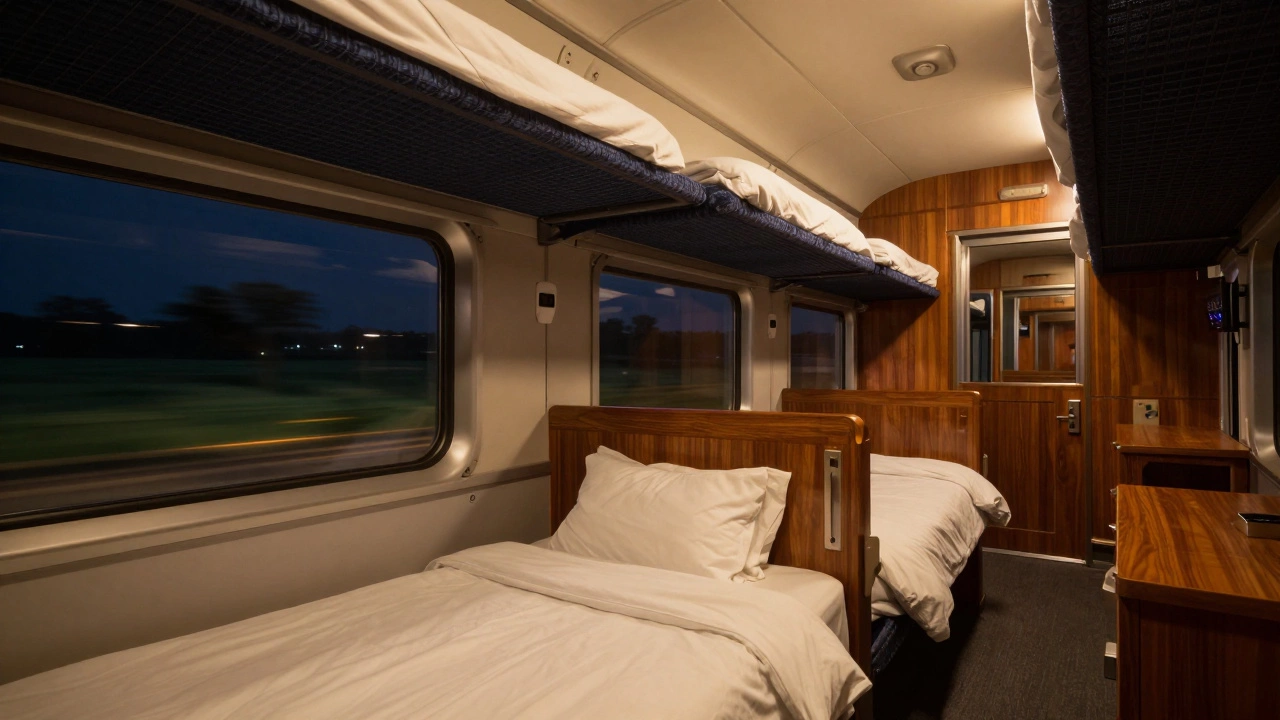
First, let’s strip away the romance. When you book a sleeper berth, you are renting private space. In an economy where urban hotel rooms in major cities often exceed £150 per night, a train cabin isn’t actually that expensive if you view it strictly as accommodation. However, trains don’t operate with the same economies of scale as hotels.
A hotel has hundreds of rooms under one roof, sharing heating, cleaning staff, and infrastructure. A train has maybe twenty cabins spread across several carriages. The cleaning crew can’t clean fifty rooms in an hour; they have to move between cars, often dealing with narrow corridors and limited storage. This inefficiency drives up the labor cost per room significantly.
Furthermore, consider the amenities. Modern sleeper trains, particularly those categorized under luxury train journeys, offer en-suite bathrooms, linens changed daily, and sometimes even minibars. Maintaining plumbing systems on a moving vehicle is exponentially harder and more expensive than maintaining them in a stationary building. Leaks, pressure changes, and vibration require robust engineering solutions that add to the maintenance bill.
- Space Efficiency: Trains use floor space less efficiently than high-density hostels or budget hotels.
- Labor Intensity: Cleaning and servicing individual cabins requires more staff time per passenger.
- Maintenance: Mobile plumbing and electrical systems degrade faster due to vibration.
The Weight of Luxury
If you’ve ever traveled on a service like the Venice Simplon-Orient-Express or India’s Palace on Wheels, you know it’s not about getting from London to Paris or Delhi to Jaipur quickly. It’s about the journey itself. These operators have pivoted from transport providers to experience curators.
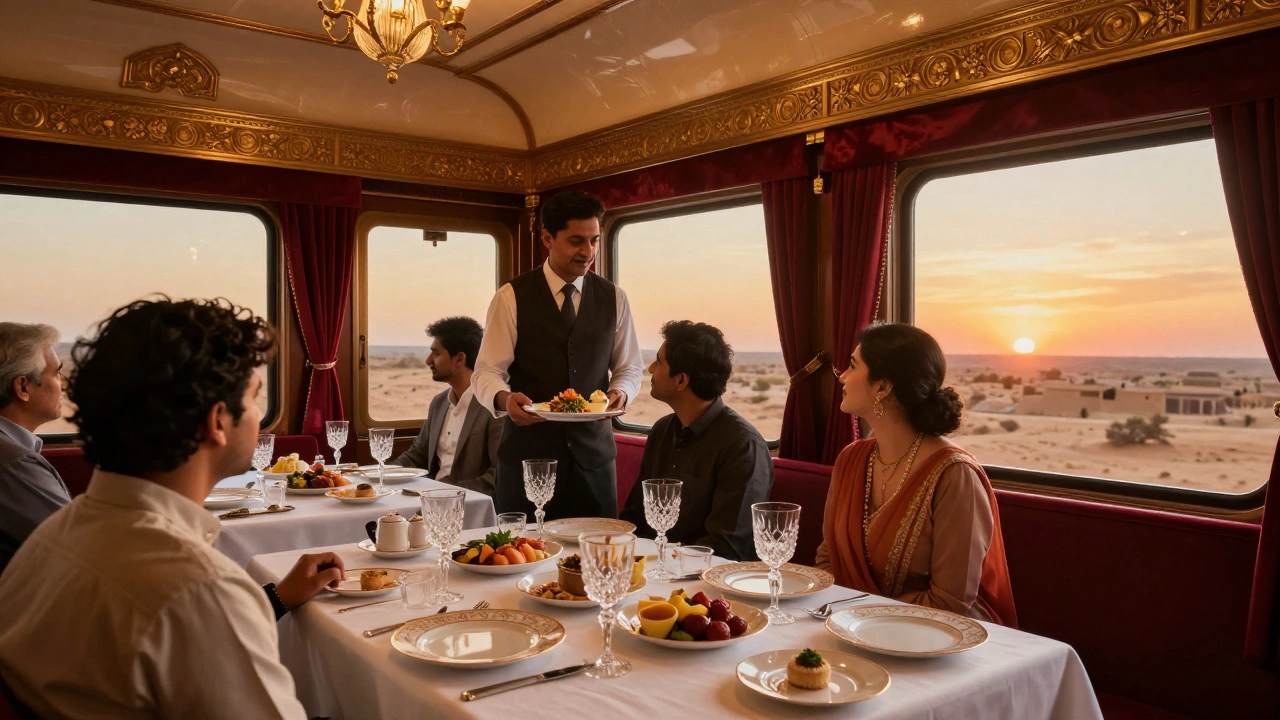
This shift changes the entire cost structure. You aren’t buying a ticket; you’re buying a ticket to a theater production where you are both the audience and the cast. The food served on these trains isn’t mass-produced airline meals. It’s sourced locally, prepared by onboard chefs, and served with fine china and crystal glasses. The wine list alone can account for a significant portion of the fare.
In 2026, the trend toward "slow travel" has accelerated this model. Travelers are increasingly willing to pay for sustainability and immersion. Operators charge a premium because they provide a carbon-light alternative to flying (relative to distance) combined with a level of comfort that airports simply cannot match. No security lines, no cramped seats, no turbulence. Just a glass of champagne and a view of the countryside rolling by.
Infrastructure and Access Fees
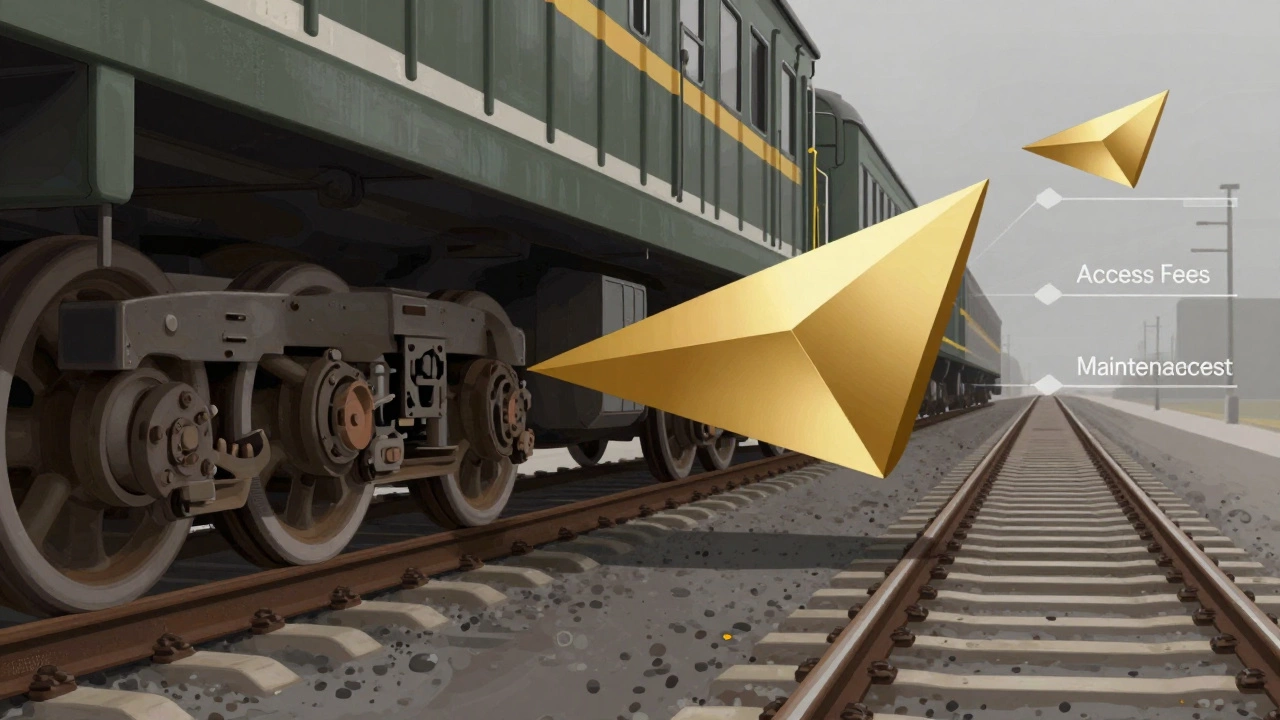
Here is the part most passengers never see: the track access fees. Railways do not own the tracks they run on in many parts of Europe and Asia. They rent them from national infrastructure bodies. For example, in the UK, Network Rail charges operators for every mile their trains travel.
Sleeper trains are heavy. They carry sleeping cars, dining cars, and luggage vans. This weight causes more wear and tear on the tracks compared to lightweight commuter trains. Consequently, the access fees are higher. Additionally, sleeper trains often run during off-peak hours, which might seem cheaper, but they require dedicated staffing and scheduling that doesn’t benefit from the rush-hour volume discounts seen in commuter rail.
Then there are the station fees. Stopping at major hubs involves platform allocation, signaling coordination, and sometimes exclusive use of certain facilities. If a luxury train needs to stop at a heritage station that isn’t fully integrated into the modern network, the logistical complexity-and cost-rises sharply.
| Cost Factor | Impact on Price | Reason |
|---|---|---|
| Track Access Fees | High | Rental costs for heavy vehicles on national networks |
| Cabin Maintenance | Medium-High | Complex mobile plumbing and HVAC systems |
| Food & Beverage | Variable | Premium sourcing and onboard kitchen operations |
| Staffing | High | Low ratio of staff to passengers for personalized service |
| Brand Positioning | Very High | Marketing as luxury experiences rather than transport |
The Supply and Demand Squeeze
Supply is limited. There are only so many slots available on a nightly route. Unlike airlines, which can add another flight if demand spikes, trains are constrained by track capacity and rolling stock availability. Building new sleeper cars is capital-intensive and takes years. In 2026, we are seeing a shortage of skilled technicians who can maintain older, heritage-style carriages, further limiting supply.
Demand, however, has surged. Post-pandemic, travelers sought out open-air, low-contact environments. Sleeper trains offered exactly that. Social media has amplified this trend, turning routes like the Ghan in Australia or the Blue Train in South Africa into bucket-list items. When demand outstrips fixed supply, prices rise. It’s basic economics, but it hurts when you’re trying to plan a budget trip.
Moreover, the target demographic has shifted. These trains are no longer aimed at budget backpackers looking to save on a hotel bill. They are marketed to honeymooners, corporate retreats, and high-net-worth individuals. The pricing strategy reflects this exclusivity. If they lowered the price, they’d lose the allure of exclusivity that drives the brand value.
Operational Complexity
Running a sleeper train is logistically complex. You need drivers, conductors, cleaners, chefs, and servers-all working around the clock. Labor costs have risen globally, and the requirement for multilingual staff on international routes adds another layer of expense. A conductor on the EuroNight services must be proficient in multiple languages and trained in safety protocols specific to cross-border travel.
Security is another hidden cost. Sleeper trains carry valuable luggage and personal items. Unlike a bus where everyone stays awake, a sleeping train requires enhanced security measures, including CCTV, secure locking mechanisms, and sometimes even armed guards depending on the region. These measures are non-negotiable for maintaining the trust of high-paying customers.
Is It Worth It?
So, are sleeper trains worth the steep price? That depends on what you value. If your goal is purely efficient transportation, no. You will almost always find a cheaper flight or bus. But if you value time, comfort, and experience, the equation changes.
Consider the time saved. On a long-distance route, you arrive rested, ready to start your day, without the hassle of airport transfers or jet lag. Consider the experience. Dining in a carriage with panoramic windows, meeting fellow travelers in a lounge car, and waking up in a new city offers a sense of adventure that airports sterilize away.
For those on a tighter budget, there are options. Standard sleeper coaches exist on many European routes, offering lower berths without the en-suite luxury. In India, third-class AC compartments provide a cleaner, safer alternative to unreserved travel without the premium price tag of first-class suites. The key is to choose the level of service that matches your priorities.
Are sleeper trains more expensive than hotels?
Not necessarily. While a luxury sleeper suite can cost more than a budget hotel, a standard sleeper berth is often comparable to mid-range hotels in major cities. When you factor in included meals and the convenience of arriving at your destination, the value can be higher.
Why do luxury trains cost thousands of dollars?
Luxury trains charge thousands because they include all-inclusive packages: five-star accommodation, gourmet dining, premium alcohol, guided excursions, and personalized service. They are marketed as experiential products rather than transportation.
Can I save money on sleeper trains?
Yes. Look for standard class tickets instead of suites, travel during off-peak seasons, and book well in advance. Some operators offer discounts for students, seniors, or multi-night bookings.
What is the cheapest way to travel overnight by train?
The cheapest option is usually a seat on a standard intercity train that runs overnight, though you won’t get a bed. In countries like India, third-class AC compartments offer affordable overnight travel with basic amenities.
Do sleeper trains include food?
Most sleeper trains include breakfast and dinner in the ticket price, especially in Europe and on luxury routes. Lunch may be available for purchase. Always check the specific operator’s policy before booking.