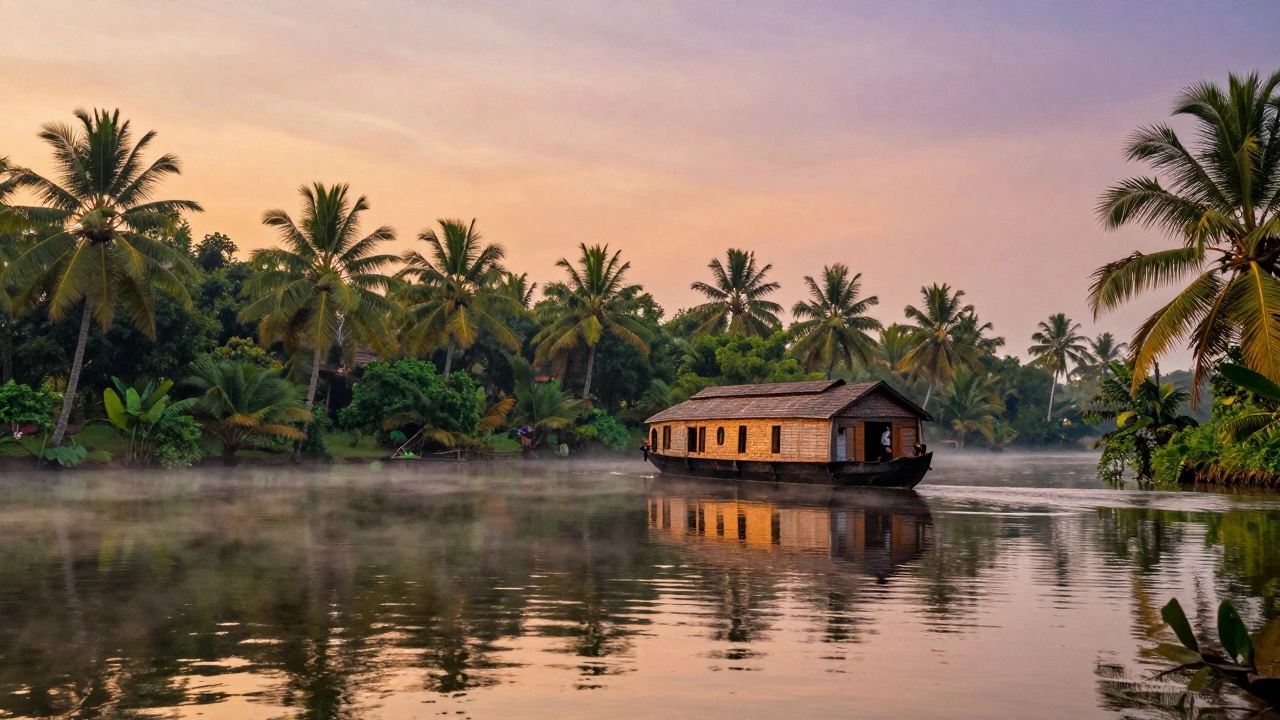
South India Survival & Budget Planner
Estimated Daily Budget
Survival Checklist
India doesn't care about your comfort zone. It throws heat, humidity, noise, and chaos at you from the moment you step off the plane. If you are heading to South India is a diverse region comprising states like Kerala, Tamil Nadu, Karnataka, and Andhra Pradesh, known for its distinct culture, cuisine, and geography compared to the north., you might think it will be easier than the chaotic streets of Delhi or Mumbai. It isn't. But it is different. It is slower, greener, and often more humid. Surviving a trip here isn't about conquering the land; it is about adapting to its rhythm before it breaks yours.
I have spent years navigating these roads, from the backwaters of Alappuzha to the temple towns of Madurai. The difference between a nightmare holiday and a life-changing experience usually comes down to preparation, patience, and knowing where to draw the line. Here is how you actually survive-and enjoy-your time in the south.
Beat the Heat Before It Beats You
The first thing that hits you is the air. In places like Chennai is the capital of Tamil Nadu, located on the Coromandel Coast, famous for its classical arts and intense summer temperatures., the humidity can feel like a wet blanket wrapped around your head. Many travelers make the mistake of wearing heavy cotton or dark colors because they think it looks "touristy" or traditional. Do not do this. Wear light-colored, loose-fitting linen or moisture-wicking synthetics. Your body needs to breathe.
Hydration is not optional; it is a survival mechanism. Tap water is strictly off-limits for drinking. Even brushing your teeth with tap water can cause issues if your stomach is sensitive. Buy sealed bottled water or use a high-quality UV purifier if you are trekking in the Western Ghats. Keep an electrolyte packet in your bag. When you sweat this much, water alone isn't enough. You lose salts, and without them, you get cramps and headaches fast.
- Drink at least 3-4 liters of water daily.
- Avoid ice in drinks unless you are sure it was made from filtered water.
- Schedule outdoor activities for early morning (6 AM - 9 AM) or late afternoon (5 PM onwards).
Navigate the Transport Chaos
Getting around South India requires a shift in mindset. Traffic rules are suggestions, not laws. In cities like Bangalore or Hyderabad, traffic jams can last hours. The key is to choose the right mode of transport for the distance.
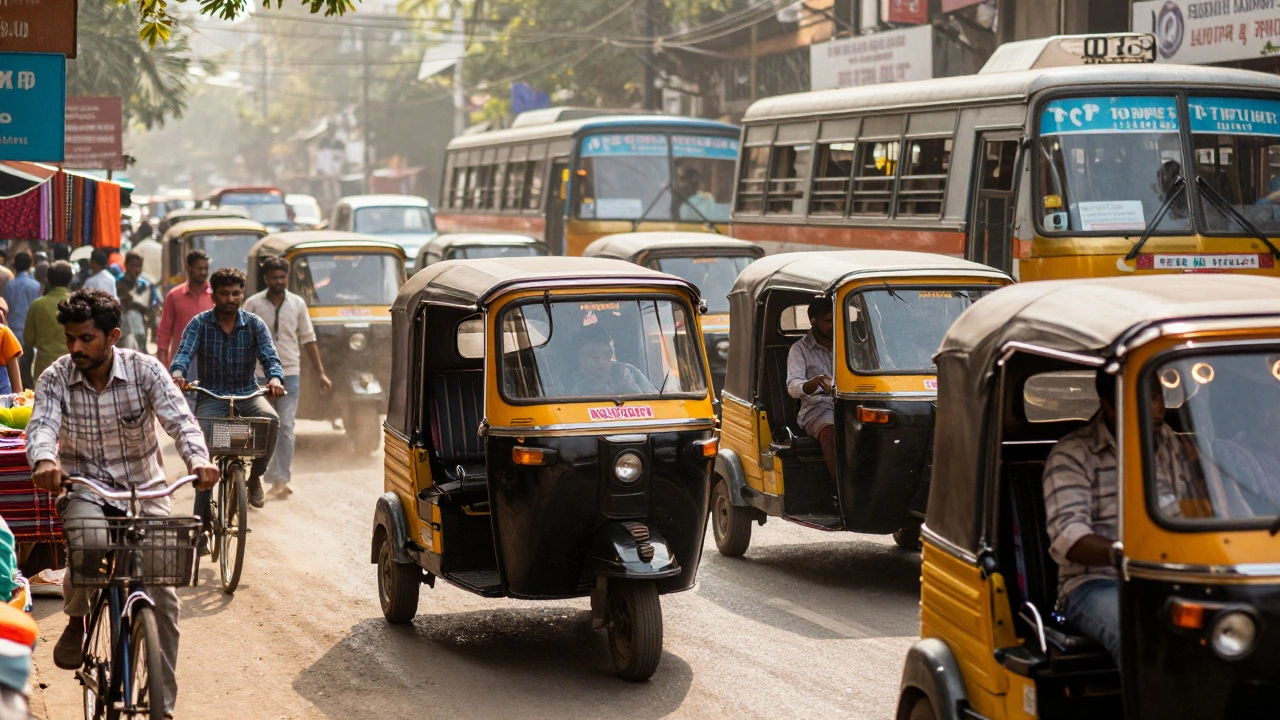
For short distances within cities, auto-rickshaws are your best friend, but you must negotiate the fare before getting in. Most drivers will quote a price that is double what it should be. Use apps like Ola or Uber where available to avoid haggling. For longer distances, the state-run buses are surprisingly good. In Kerala and Tamil Nadu, the KSRTC and TNSTC buses are clean, affordable, and reach places trains cannot. However, they fill up fast. Book tickets online in advance through their respective websites or apps.
If you are renting a car, hire a driver. Driving in India is an aggressive sport. Lane discipline is non-existent, and honking is a language of its own. A local driver knows how to weave through traffic safely. Plus, it gives you someone to talk to and ask for recommendations along the way.
| Mode | Best For | Pros | Cons |
|---|---|---|---|
| Auto-Rickshaw | City travel (< 10km) | Cheapest, accessible everywhere | Haggling required, no AC |
| State Bus | Inter-city travel | Very cheap, extensive network | Can be crowded, slow |
| Railway (Vande Bharat) | Long distance (e.g., Chennai to Bengaluru) | Fast, comfortable, reliable | Tickets sell out quickly |
| Rental Car + Driver | Custom itineraries | Flexible, private, AC | Most expensive option |
Eat Like a Local (Safely)
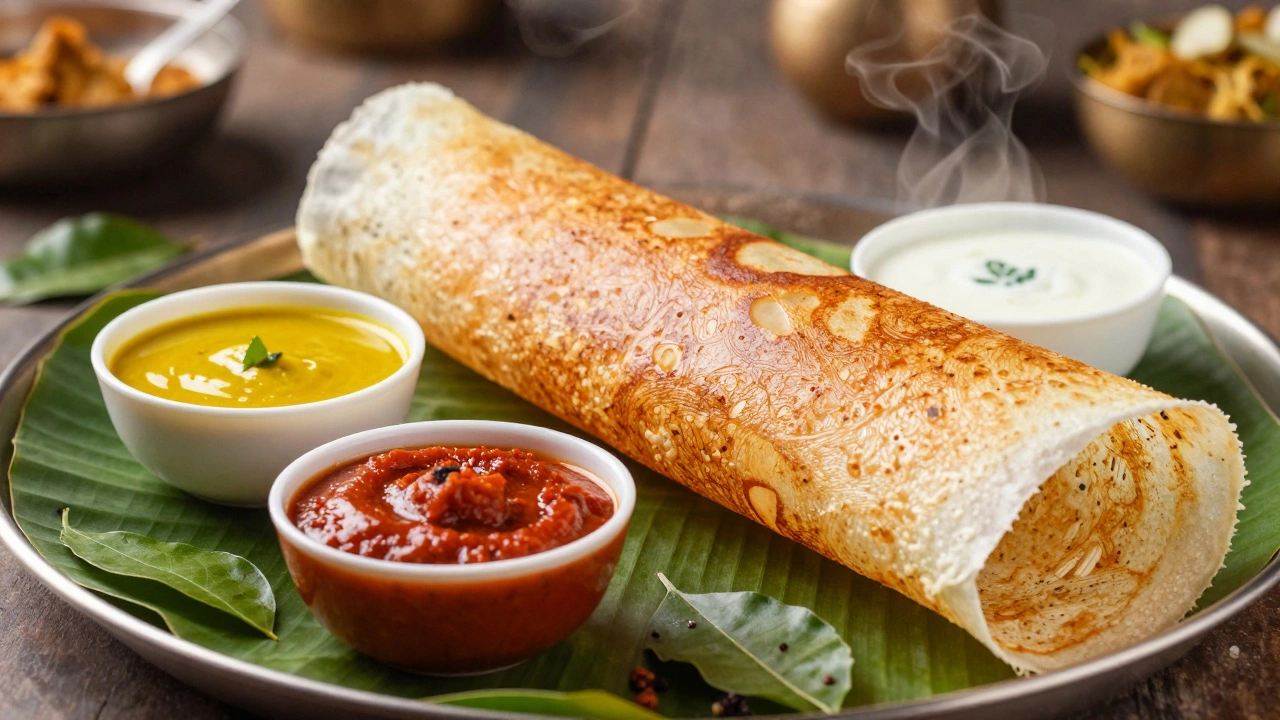
Food is the heart of South Indian culture. From the spicy Dosa is a thin pancake made from fermented rice and black gram batter, originating from Karnataka and popular across South India. to the rich Biryani is a mixed rice dish with aromatic spices, meat, and sometimes vegetables, particularly famous in Hyderabad and Lucknow., you will want to eat everything. But your gut health is fragile when traveling. Stick to places with high turnover. If a restaurant is full of locals, the food is fresh. If it's empty, walk away.
Street food is delicious but risky. Avoid cut fruits sold by vendors unless you peel them yourself. Chutneys and pickles are great, but ensure they are freshly made. Spicy food can irritate an already sensitive stomach. Start mild and work your way up. Also, never drink water from public taps or unsealed bottles. When in doubt, don't eat it.
Respect the Culture and Customs
South India is deeply religious. Temples are central to daily life. When visiting places like the Meenakshi Temple in Madurai or the Jagannath Temple in Puri, dress modestly. Shoulders and knees must be covered. Many temples require you to remove shoes before entering. Carry a pair of socks or slippers in your bag for quick changes.
Photography rules vary. Some temples allow photos in the outer corridors but ban them inside the sanctum sanctorum. Always ask permission before photographing people, especially women and children. A smile and a polite request go a long way. Locals are generally warm and curious, but respect their privacy.
Handle Health Emergencies
Even with precautions, things can go wrong. Diarrhea, skin rashes, and minor cuts are common. Carry a basic medical kit including oral rehydration salts, antihistamines, band-aids, and antiseptic cream. Pharmacies in India are well-stocked and cheap, but always show the generic name of the medicine you need to avoid counterfeit drugs.
In case of serious illness, head to a reputable hospital. In major cities like Chennai, Bangalore, and Kochi, there are international-standard hospitals such as Apollo Hospitals and Fortis. They accept most international insurance cards, but check with your provider beforehand. Travel insurance is not just a formality; it is essential. Make sure it covers medical evacuation if needed.
Stay Connected and Safe
Internet connectivity is widespread in urban areas but spotty in rural regions. Buy a local SIM card upon arrival. Airtel and Jio offer excellent coverage and affordable data plans. Having internet access allows you to use maps, translate languages, and call for help if needed.
Scams targeting tourists exist but are less aggressive in the south compared to other parts of India. Be wary of overly friendly strangers who invite you to their "shop" or "temple." Politely decline and keep moving. Keep your valuables hidden. Use a money belt or a hidden pouch for your passport and cash. Never flash large amounts of money in public.
Plan for the Unexpected
Things rarely go exactly according to plan in India. Trains get delayed, buses break down, and weather changes suddenly. Embrace the chaos. Build buffer days into your itinerary. If you planned to visit three temples in one day, aim for two. Leave room for spontaneity. Sometimes the best moments happen when you deviate from the schedule.
Finally, stay patient. Frustration is contagious. If you get angry or stressed, the environment seems to mirror it. Stay calm, breathe, and remember why you came here. To experience something real, vibrant, and unforgettable. Survival is just the first step. Enjoyment is the goal.
Is South India safe for solo female travelers?
Yes, South India is generally considered safer for solo female travelers compared to other regions in India. Women often travel alone without major issues. However, standard precautions apply: dress modestly, avoid walking alone at night in isolated areas, and trust your instincts. Staying in reputable accommodations and using registered transport services adds an extra layer of security.
What is the best time to visit South India?
The best time to visit most of South India is between October and February when the weather is cooler and drier. This period avoids the peak summer heat and the monsoon rains. However, if you want to experience the lush greenery of Kerala or the Western Ghats, the monsoon season (June to September) can be beautiful, provided you don't mind frequent rain showers.
Do I need a visa to visit India?
Yes, most foreign nationals require a visa to enter India. An e-Visa is available for citizens of many countries and can be applied for online before travel. Ensure your passport is valid for at least six months beyond your date of entry. Check the latest requirements on the official Indian government visa website as policies can change.
Can I drink tap water in South India?
No, never drink tap water in India. It is not treated to standards safe for foreigners and can cause severe gastrointestinal issues. Always consume bottled water from sealed containers or use a reliable water purification method. Avoid ice cubes in drinks unless you are certain they were made from purified water.
What currency should I carry?
The local currency is the Indian Rupee (INR). While credit cards are accepted in hotels, malls, and larger restaurants, cash is king for small purchases, street food, and transport. ATMs are widely available in cities but may be scarce in rural areas. Withdraw sufficient cash in major towns before heading to remote locations.