Find Your Adrenaline Match
Answer these three questions to discover the perfect adrenaline rush for you.
Your Perfect Match:
Why this fits you
Adrenaline Stats
Have you ever stood on a ledge, looked down at the ground hundreds of feet below, and felt your heart hammer against your ribs like it wanted to escape? That rush-that electric jolt that makes every other sense shut down-is adrenaline. It is the body’s ancient survival mechanism, flooding your system with energy to fight or flee. But today, we hunt for that feeling. We chase it through thin mountain air, down roaring rapids, and into the depths of the ocean.
If you are asking what sport gives the most adrenaline, there is no single answer. It depends on what scares you. Is it the height? The speed? The isolation? Or the sheer unpredictability of nature? For thrill-seekers looking to test their limits, adventure sports offer the ultimate playground. And if you are planning where to find these heart-pounding experiences, India has quietly become one of the world’s premier destinations for extreme recreation.
The Science of the Rush: Why We Crave Danger
Before we jump off cliffs, let’s understand why we do it. When you engage in high-risk activities, your brain perceives a threat. Your hypothalamus signals your adrenal glands to release epinephrine (adrenaline) and norepinephrine. Your heart rate spikes, your pupils dilate, and blood flows away from your stomach to your muscles. You enter a state of hyper-awareness often called "flow."
Psychologists call this "recreational risk-taking." It isn’t about being reckless; it is about controlled chaos. The most addictive sports are those where you have a skill set that keeps you safe, but the environment remains wild. This balance creates a unique psychological reward. After the activity ends, your brain releases dopamine and endorphins, leaving you with a profound sense of calm and accomplishment. This is why people keep coming back. They aren’t just chasing the scare; they are chasing the peace that follows the storm.
Skydiving: The Ultimate Freefall Experience
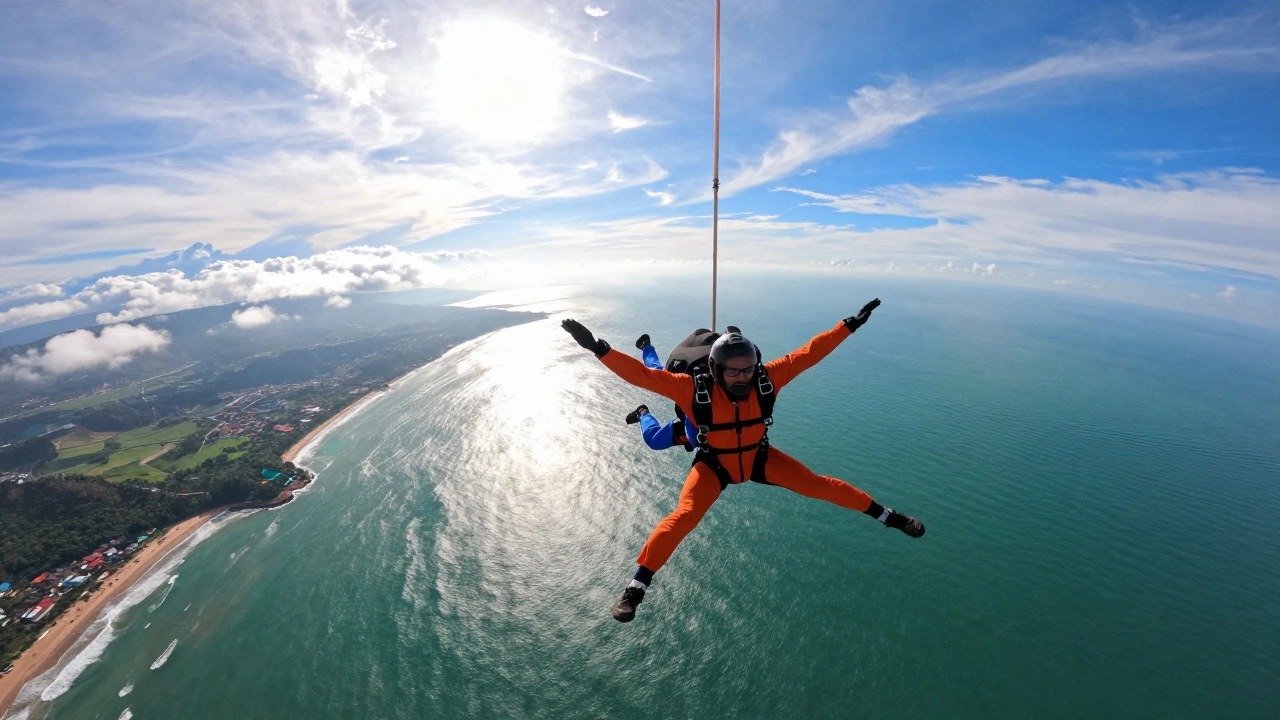
If you want pure, unadulterated intensity, skydiving is hard to beat. There is nothing else quite like the sensation of freefalling at 120 miles per hour. The wind roars in your ears, the ground rushes up to meet you, and for 30 to 60 seconds, you are flying. In India, this experience is available in a few select locations, each offering a different backdrop to your plunge.
In Goa, you get a stunning view of the Arabian Sea and the coastline as you drop. It is vibrant, tropical, and intense. Manali offers a more rugged experience, with snow-capped peaks and pine forests rushing by. The key here is the tandem setup. You are strapped to an instructor who handles the technical aspects-the exit, the stability, and the landing. Your job is to enjoy the ride. It sounds simple, but when you leave the plane, instinct screams at you to pull away. Overcoming that primal fear is where the real victory lies.
Paragliding: Flying with the Birds
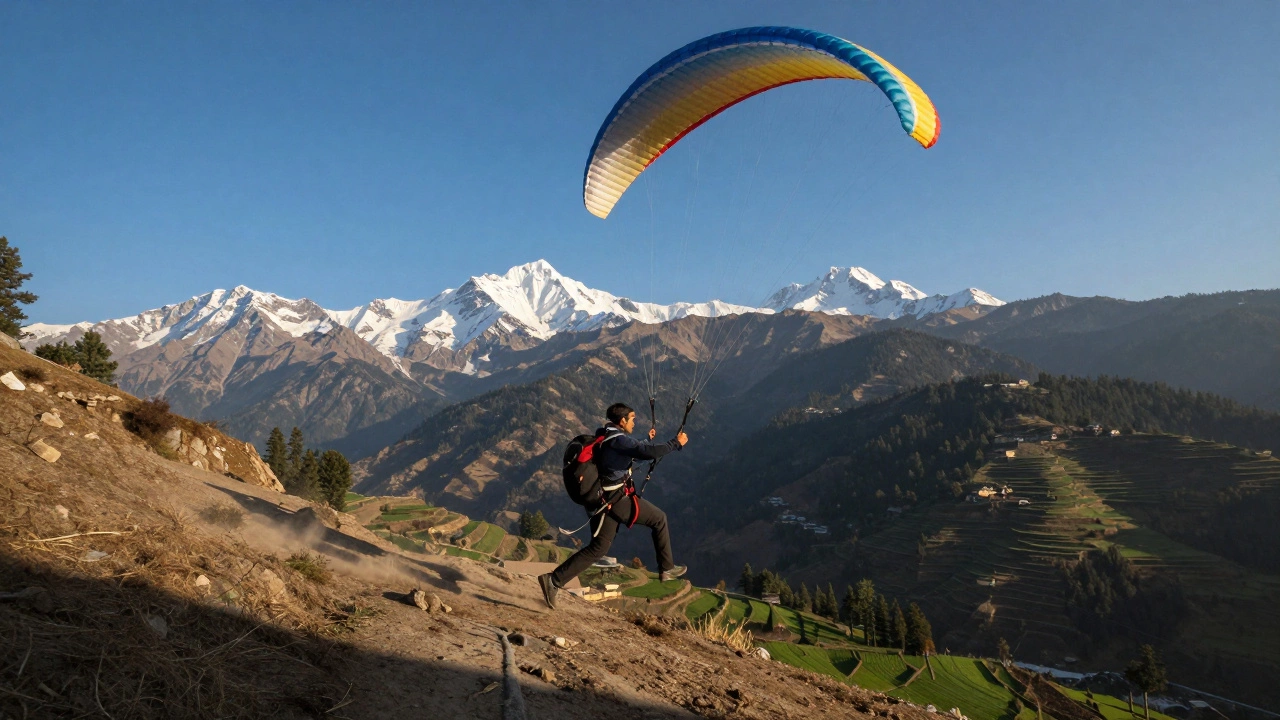
Unlike skydiving, which is about the fall, paragliding is about flight. It is quieter, slower, and arguably more meditative, but the adrenaline comes from the launch and the thermal soaring. Bir Billing in Himachal Pradesh is the crown jewel of Indian paragliding. Recognized by the World Paragliding Federation, it holds the record for the highest commercial takeoff point in the world.
When you run off the cliff at Bir, you don’t just fall; you catch the air. Within seconds, you are floating above the Kangra Valley. The adrenaline spike happens right at the launch moment-trusting your harness and your pilot as you step into empty space. Once airborne, the rush settles into awe. You can soar for hours, riding thermal currents that rise from the sun-heated earth. It feels less like a sport and more like a superpower. For those who prefer sustained elevation over sudden drops, this is the peak experience.
Bungee Jumping: The Art of Falling Up
Bungee jumping is the shortest burst of adrenaline available. The entire event lasts only a few seconds, but the anticipation builds for minutes. You stand on a platform, usually attached to a bridge or a crane, with a thick elastic cord tied to your ankles. You lean forward, and gravity takes over.
In India, Arogya Falls in Rishikesh offers one of the most iconic spots. Located in the foothills of the Himalayas, the jump takes place from a height of approximately 84 meters (275 feet). The river Ganges flows below, adding a spiritual layer to the physical terror. The cord snaps tight, stopping your fall abruptly, and then pulls you back up. The rebound effect creates a secondary rush as you oscillate above the water. It is violent, brief, and unforgettable. Many people report laughing uncontrollably immediately after landing, a release of tension that leaves them feeling lighter than air.
Rafting: Battling the White Water
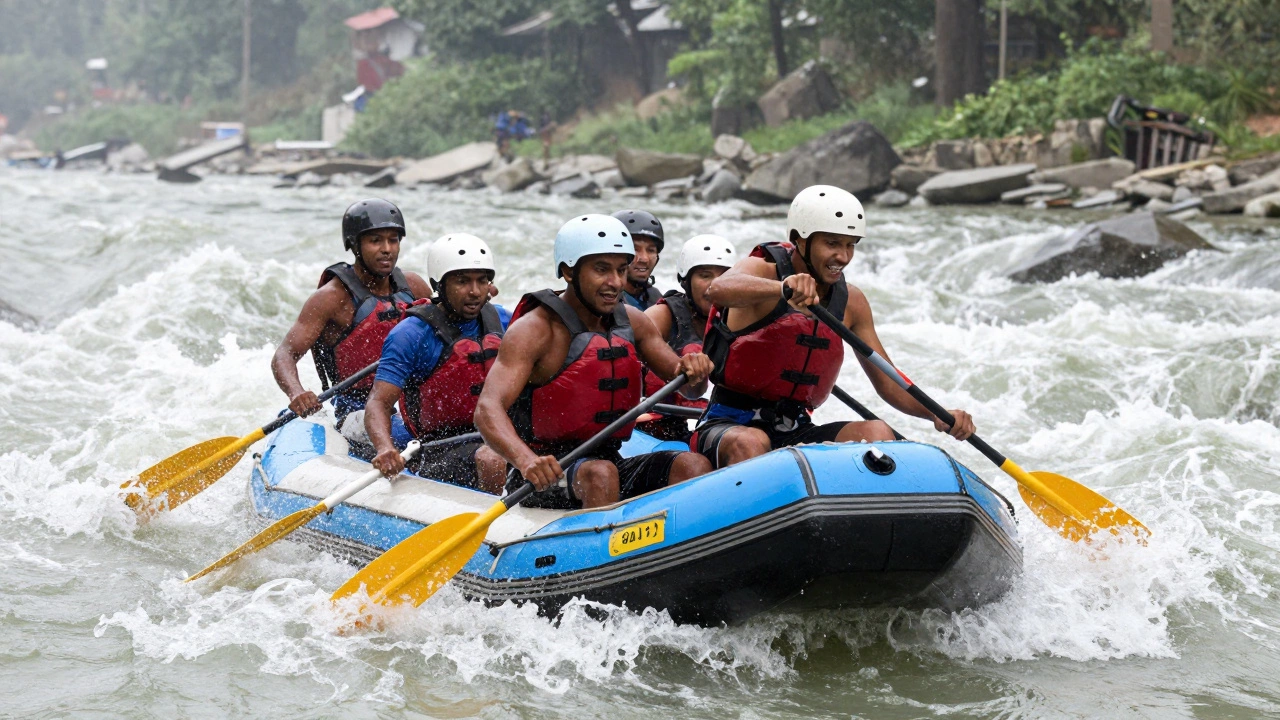
Adrenaline doesn’t always come from heights. Sometimes it comes from the water. White-water rafting combines teamwork, physical exertion, and the unpredictable force of nature. Rishikesh is known as the rafting capital of India, offering Class III and IV rapids on the Ganges. Ziro in Arunachal Pradesh provides even more remote and challenging options on the Siang River.
The thrill here is communal. You are in a rubber boat with five or six others, paddling in sync while navigating turbulent waves, hydraulic holes, and submerged rocks. When you hit a rapid, the boat bucks and splashes. Cold water soaks you instantly. The noise of the river drowns out everything else. You have to trust your crew and your guide completely. If you slip, you are swept away by powerful currents until you grab the safety rope. This shared vulnerability creates a unique bond among participants. The adrenaline is sustained throughout the journey, peaking during the most dangerous sections.
Canyoning: Exploring the Hidden Depths
Canyoning, or canyoneering, is a newer addition to the Indian adventure scene, gaining popularity in places like Munnar in Kerala and the Western Ghats. It involves traversing narrow canyons using a variety of techniques including walking, scrambling, climbing, jumping, abseiling (rappelling), and swimming.
This sport is immersive. You are inside the canyon, surrounded by rock walls that tower above you. You slide down natural water chutes, swim through underground pools, and rappel down waterfalls. The adrenaline comes from the combination of elements. One minute you are hiking through lush jungle, the next you are plunging into icy cold water. It requires problem-solving skills and physical agility. Unlike guided tours where you follow a set path, canyoning often feels like exploration. You are discovering hidden parts of the landscape that few people ever see.
Comparing the Thrill: Which Sport Fits You?
Not all adrenaline is created equal. Some people crave the instant shock, while others prefer the sustained challenge. Here is how the top Indian adventure sports compare based on intensity, duration, and skill requirement.
| Sport | Primary Sensation | Duration of Rush | Skill Level Required | Top Location in India |
|---|---|---|---|---|
| Skydiving | Freefall & Speed | Short (30-60 sec) | None (Tandem) | Goa / Manali |
| Paragliding | Flight & Height | Medium (15-60 min) | Low (Tandem) | Bir Billing, Himachal |
| Bungee Jumping | Impact & Rebound | Very Short (5-10 sec) | None | Rishikesh |
| Rafting | Turbulence & Teamwork | Long (2-4 hours) | Low-Medium | Rishikesh / Ziro |
| Canyoning | Exploration & Climbing | Long (Half day) | Medium | Munnar / Western Ghats |
Safety First: Navigating Risks in India
Chasing adrenaline does not mean ignoring safety. The adventure tourism industry in India has grown rapidly, and while many operators are professional and certified, standards can vary. Before booking any activity, verify the credentials of the operator. Look for affiliations with recognized bodies such as the Adventure Training and Certification Agency (ATCA) or international organizations like the UIAA (International Climbing and Mountaineering Federation).
Always check the equipment. Helmets should be ISI certified. Harnesses must be double-buckled. Life jackets in water sports should be Type III or higher. Ask questions. A reputable operator will welcome your scrutiny and explain their safety protocols in detail. If something feels off, trust your gut. The best adrenaline rush is the one that brings you home safely.
Preparing Your Body and Mind
You don’t need to be an athlete to try these sports, but basic fitness helps. Cardiovascular health is important for activities like rafting and canyoning where you expend significant energy. Flexibility aids in climbing and scrambling. However, mental preparation is equally crucial.
Practice deep breathing techniques. Anxiety constricts your airways and increases heart rate unnecessarily. Controlled breathing keeps you calm and focused. Visualize the activity beforehand. Imagine yourself succeeding. This mental rehearsal reduces fear and improves performance. Eat lightly before engaging in high-intensity activities. A heavy meal can lead to nausea, especially in skydiving or bungee jumping where your stomach experiences G-forces.
The Aftermath: Why You Will Come Back
After the initial shock wears off, you might feel exhausted. Your muscles may ache, and your hands might be raw. But beneath that fatigue is a deep sense of vitality. You proved to yourself that you could face fear and survive. This confidence spills over into everyday life. Problems that once seemed insurmountable now feel manageable. You have faced the void, and it did not consume you.
This is the true value of extreme sports. They are not just about the thrill; they are about personal growth. They strip away the distractions of modern life and force you to be present in the moment. There is no thinking about emails or deadlines when you are freefalling from 10,000 feet. There is only now. And that clarity is worth every ounce of fear.
Is skydiving in Goa safe for beginners?
Yes, skydiving in Goa is generally safe for beginners when done with a certified tandem instructor. Operators in Goa follow strict safety protocols, including regular equipment checks and weather assessments. Tandem jumps ensure that an experienced professional controls the parachute deployment and landing, allowing first-timers to focus on the experience without needing prior training.
What is the best time of year for adventure sports in India?
The best time varies by region. For mountain activities like paragliding in Bir Billing and skiing in Manali, October to April is ideal due to stable weather conditions. For water sports like rafting in Rishikesh, March to June and September to November offer optimal water levels and temperatures. Avoid the monsoon season (July-August) for outdoor adventures due to landslides and flash floods.
Do I need prior experience to go bungee jumping?
No prior experience is required for bungee jumping. It is designed for first-timers. Operators provide detailed instructions on body positioning and safety procedures before the jump. The equipment is checked multiple times by trained professionals. All you need is a willingness to step off the platform and trust the process.
Which sport is the most expensive in India?
Skydiving is typically the most expensive adventure sport in India, with tandem jumps ranging from ₹8,000 to ₹15,000 depending on the location and package inclusions. Paragliding in Bir Billing costs between ₹3,000 and ₹5,000 for a tandem flight. Bungee jumping in Rishikesh is relatively affordable, often priced around ₹1,500 to ₹2,500. Rafting trips vary widely but usually cost between ₹1,000 and ₹3,000 per person.
Are there age restrictions for these sports?
Most adventure sports in India require participants to be at least 16 or 18 years old. Skydiving operators usually mandate a minimum age of 16 with parental consent, or 18 without. Bungee jumping often has a stricter limit of 18 years due to the physical stress involved. Weight limits also apply, typically ranging from 45kg to 100kg, to ensure equipment safety. Always check specific operator policies before booking.