What exactly is the Golden Triangle?
The Golden Triangle is a tourist circuit in North India that connects three iconic cities: Delhi, Agra, and Jaipur. It’s called a triangle because of the physical layout of these cities on a map, creating a tight loop that allows travelers to see the heart of India's political, Mughal, and Rajput history without spending weeks on a bus.
The beauty of this route is the density of experiences. You move from the chaotic, high-energy streets of the capital to the serene, white marble of the Taj Mahal, and finally to the pink-hued palaces of Jaipur. It’s essentially a crash course in Indian civilization. If you only have ten days in the country, this is usually the only way to get a comprehensive look at the country's architectural evolution.
Quick Takeaways: Is it for you?
| Traveler Type | Verdict | Why? |
|---|---|---|
| First-time India visitor | Must-do | Provides a safe, structured introduction to the culture. |
| History & Architecture buffs | Must-do | Unmatched concentration of UNESCO World Heritage sites. |
| Slow-travel enthusiasts | Maybe | Can feel rushed if following a standard 5-day package. |
| Crowd-haters | Proceed with caution | The main sites are some of the most visited spots on earth. |
Delhi: The Clash of Two Worlds
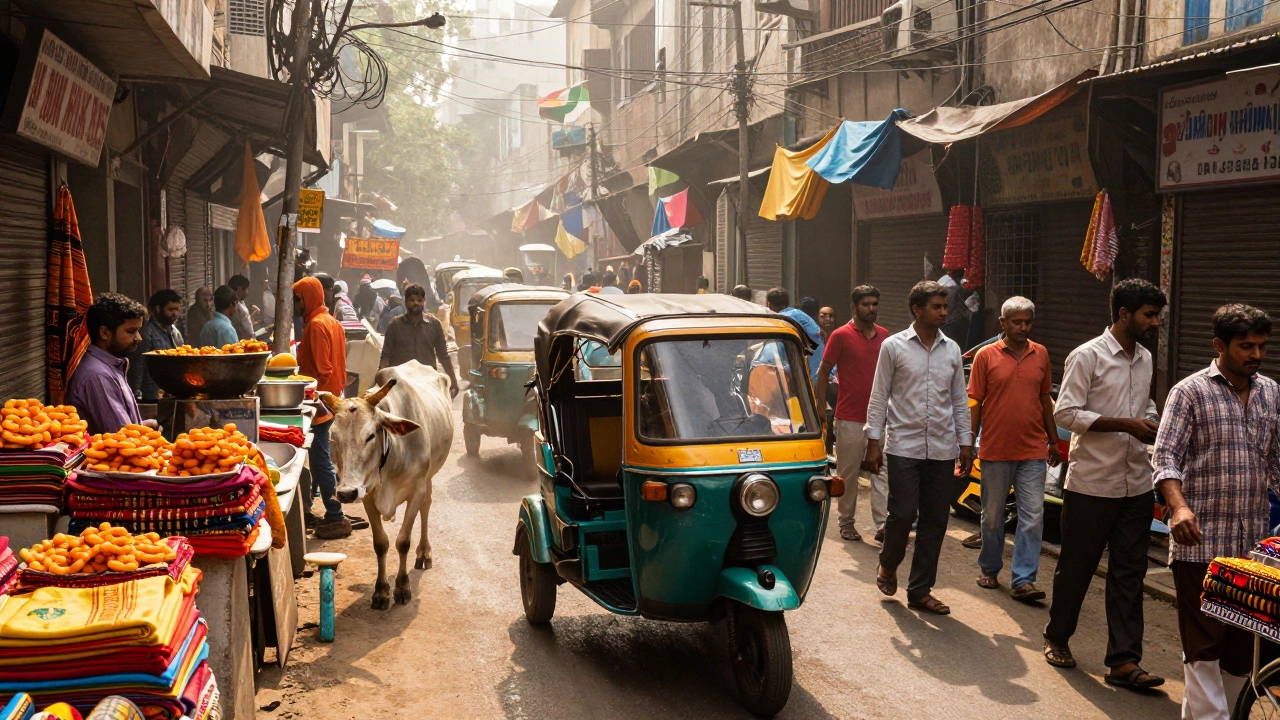
You can't start the triangle without tackling Delhi. It isn't just one city; it's more like two completely different planets sharing the same borders. On one side, you have New Delhi, built by the British with wide boulevards and greenery. On the other, you have Old Delhi, where the lanes are so narrow that a rickshaw and a cow have to negotiate a peace treaty just to pass each other.
To truly feel the city, you have to get lost in Chandni Chowk. This market is an assault on the senses in the best way possible. One minute you're smelling fresh jalebis frying in oil, and the next, you're dodging a mountain of colorful textiles. If you visit the Red Fort, you'll see the sheer scale of Mughal power. The red sandstone walls aren't just for show; they were designed to intimidate and protect. For a change of pace, the Humayun's Tomb offers a quieter, more spiritual atmosphere and is actually the precursor to the Taj Mahal. If you don't see the influence of the Persian gardens here, you'll miss the logic behind the architecture in Agra.
Agra: Beyond the Big White Building
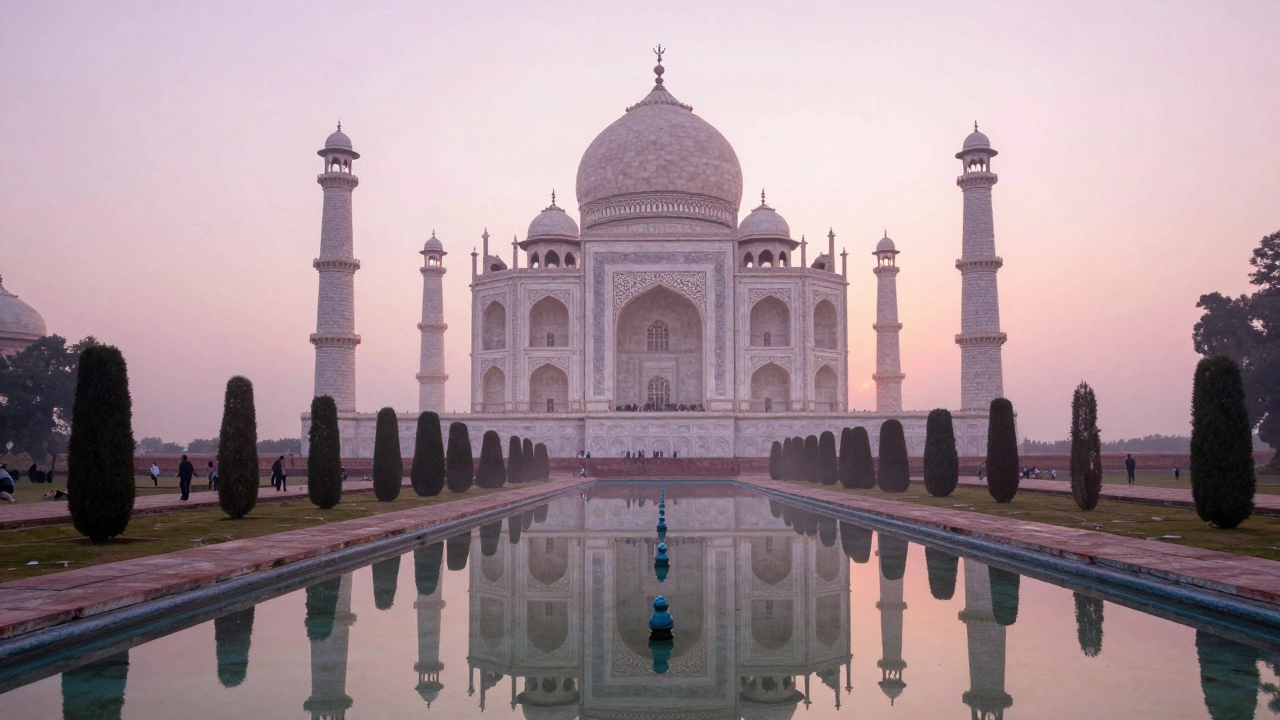
Most people think of Agra as just a place to tick the Taj Mahal off their bucket list. And yes, the Taj Mahal is one of the few tourist attractions that actually lives up to the hype. Seeing it at 6:00 AM when the marble turns a soft pink is an experience that stays with you. But if you leave immediately after, you're missing half the story.
Spend a few hours at the Agra Fort. It's a massive walled city where Emperor Shah Jahan spent his final days as a prisoner, staring across the river at the Taj Mahal he built for his wife. That specific human tragedy adds a layer of depth to the trip. Then, head to Fatehpur Sikri. It's a ghost city built from scratch and then abandoned because of water shortages. Walking through its courtyards feels like stepping into a silent movie about the 16th century. The contrast between the polished perfection of the Taj and the haunting emptiness of Fatehpur Sikri is what makes Agra worth the stop.
Jaipur: The Pink City's Royal Vibe
Leaving the heat of the plains for the hills of Rajasthan, you hit Jaipur. The city is famously painted pink-though it's more of a terracotta orange-to welcome the Prince of Wales back in 1876. This city feels less like a museum and more like a living royal court.
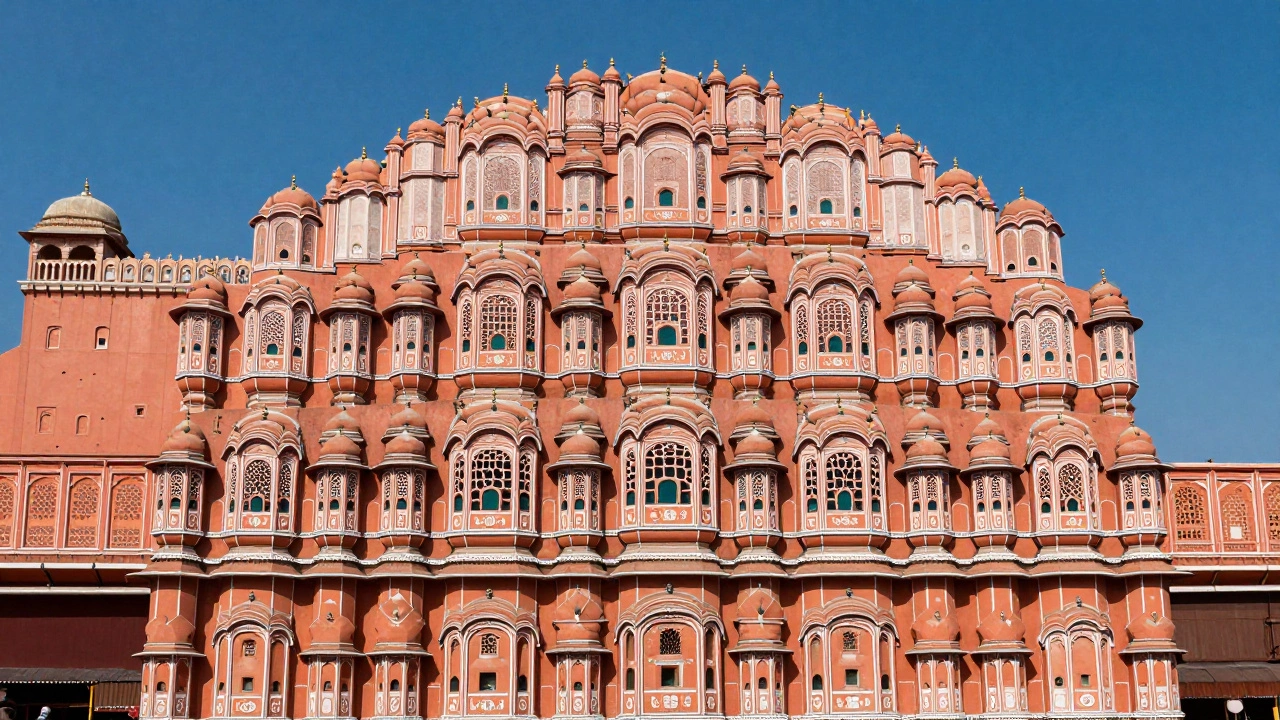
The Hawa Mahal, or Palace of Winds, is the most photographed spot in the city. It looks like a giant honeycomb made of stone. While the outside is the main attraction, the real magic is at the Amber Fort. Instead of just taking a photo, climb the ramparts and look out over the Maota Lake. The architecture here is a blend of Hindu and Mughal styles, showing how the Rajputs adapted to the changing political winds of India. For a bit of a weird twist, visit the Jantar Mantar. It's an observatory with giant stone instruments that can tell you the time and position of stars with incredible accuracy. It's a reminder that India was a center of science and astronomy long before the modern era.
The Logistics: How to actually do it
The biggest mistake people make with the Golden Triangle India tour is rushing. They try to do all three cities in four days, spending more time in a car than seeing sights. If you want this to be a vacation and not a marathon, give yourself at least 7 to 10 days.
You have three main ways to move between cities: private cars, trains, or luxury buses. A private car is the easiest and allows you to stop at random roadside dhabas (small eateries) for a tea break. However, if you want the quintessential Indian experience, take the train. The Indian Railways network is the lifeline of the country. Booking an AC 2-tier or 3-tier carriage gives you a glimpse into the social fabric of India as you glide past mustard fields and small villages.
Avoid the "all-inclusive" cheap packages you find on random websites. They often include "shopping stops" where the driver takes you to marble factories or textile shops that give them a commission. You'll spend two hours looking at rugs you don't need. Instead, hire a reputable local guide or book a custom itinerary that prioritizes sight-seeing over sales pitches.
Is it actually worth it? The Verdict
If you're looking for a quiet, off-the-beaten-path spiritual retreat, the Golden Triangle is not it. It's loud, it's crowded, and it's intensely touristy. But for a first visit to India, it is absolutely worth it. Why? Because it provides a curated introduction to the country's scale. It allows you to see the transition from the colonial influence of Delhi to the romanticism of Agra and the royal grandeur of Jaipur.
The real value isn't just in the monuments, but in the gaps between them. It's the conversation with a rickshaw driver about cricket, the taste of a spicy kachori in a Jaipur alley, and the feeling of total insignificance you get standing beneath the walls of the Red Fort. These cities are the anchors of North Indian identity. Once you've seen the Triangle, you'll have the context you need to explore the more remote parts of the Himalayas or the backwaters of Kerala.
When is the best time to visit the Golden Triangle?
The best window is from October to March. During these months, the weather is cool and pleasant. If you go in May or June, you'll face extreme heat that can make walking through forts almost impossible. The monsoon season (July to September) brings rain and lush greenery, but it can also cause travel delays.
Can I do the Golden Triangle on a budget?
Yes, absolutely. You can stay in highly-rated hostels in Delhi and Jaipur, eat street food (stick to busy stalls with high turnover), and use the extensive train and bus network. The main expenses will be the entry fees for monuments, which are tiered-foreign tourists usually pay more than locals.
How many days should I spend in each city?
A good rule of thumb is 3 days for Delhi, 2 days for Agra, and 3 days for Jaipur. This gives you enough time to see the major landmarks without feeling like you're racing against a clock. If you're a history enthusiast, adding an extra day to Jaipur to explore the forts is a smart move.
Is it safe for solo female travelers?
Generally, yes, but it requires a bit more vigilance. Sticking to reputable hotels, using ride-sharing apps like Uber or Ola instead of hailing random cabs, and dressing modestly helps avoid unwanted attention. Many solo travelers find that hiring a female guide or traveling in small group tours provides extra peace of mind.
What should I wear?
Comfortable walking shoes are non-negotiable. For clothing, lean toward "modest and breathable." Loose linen trousers and cotton shirts work best. When visiting religious sites or mosques, you'll need to cover your shoulders and legs, and sometimes cover your head with a scarf.
Next Steps for Your Trip
If you've decided the Golden Triangle is for you, your next move is to figure out your transport. If you're nervous about the chaos, start by booking a curated small-group tour. If you're feeling adventurous, book your train tickets through the IRCTC portal well in advance, as they sell out fast.
For those who find the Triangle too crowded, consider extending your trip into Rajasthan. Head further west to Udaipur (the City of Lakes) or Jodhpur (the Blue City). These cities offer a similar royal vibe but are often slightly less frenetic than Delhi or Agra, providing a nice wind-down after the intensity of the Triangle.