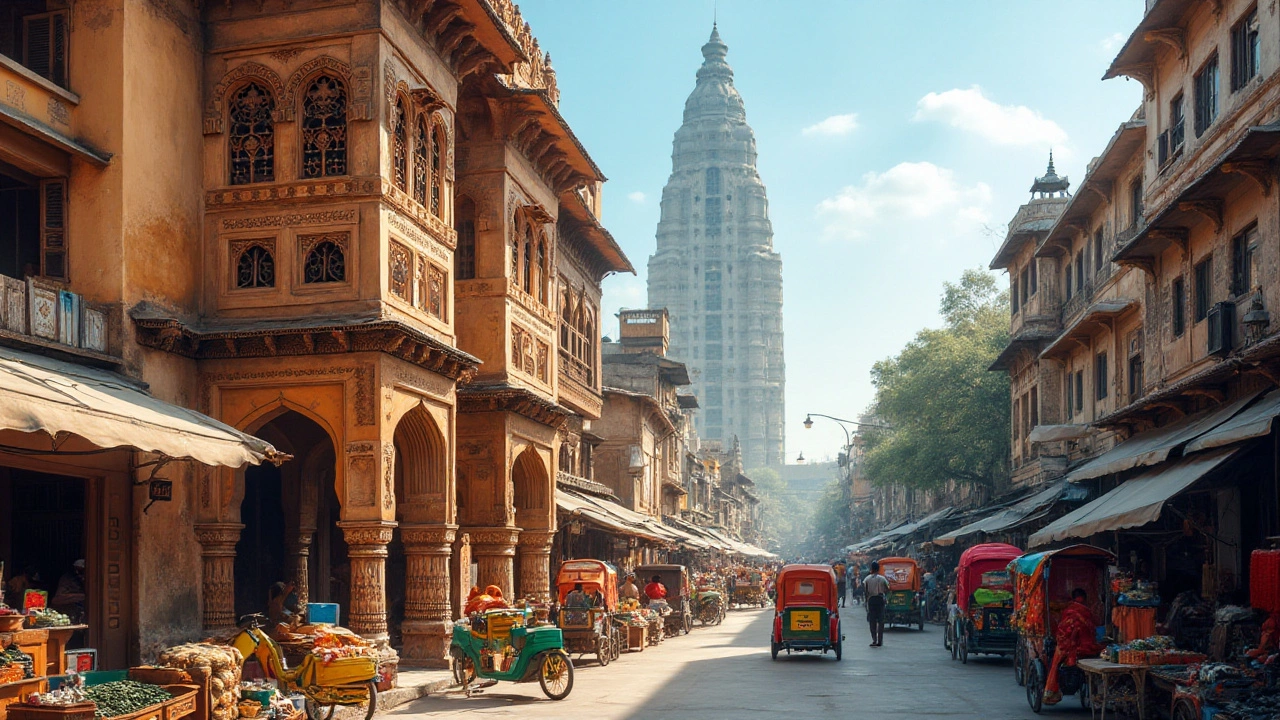
Ahmedabad: India's Cultural Heart with Heritage, Food, and Craft
When you think of Ahmedabad, India’s seventh-largest city and a UNESCO World Heritage site known for its blend of Islamic and Hindu architecture, vibrant markets, and textile legacy. Also known as Amdavad, it’s where history isn’t locked in museums—it’s alive in the call of the muezzin, the clatter of handlooms, and the smell of jalebi fresh off the griddle. This isn’t just another city on the map. It’s the place where Gandhi launched his movement for independence, where the Sidi Saiyyed Mosque’s stone latticework still draws photographers from across the world, and where every lane seems to hold a secret recipe passed down for generations.
Ahmedabad doesn’t just sit beside Gujarat’s culture—it *is* its pulse. The city’s heritage sites, including the historic walled city with its pols (traditional housing clusters), stepwells, and centuries-old havelis aren’t tourist props. They’re lived-in spaces where families still cook on chulhas and elders tell stories under neem trees. Then there’s the Indian textiles, world-famous for hand-block printing, Patola silk, and intricate embroidery that’s been refined over 500 years. You won’t find mass-produced fabrics here. Every piece tells a story—of a family’s trade, a bride’s dowry, or a weaver’s patience.
And then there’s the food. If you’ve ever tasted dhokla, fafda, or the sweet-sour khandvi, you’ve tasted Ahmedabad. It’s not just about spice—it’s about balance. Street vendors here don’t just sell snacks; they serve memory. The city’s food culture is so deep that even its biggest malls have tucked-away stalls run by grandmothers who’ve been making the same dish since before you were born. This isn’t curated for tourists. It’s real, raw, and relentless.
What makes Ahmedabad different from Delhi or Jaipur? It doesn’t scream for attention. It whispers. You find its magic in the quiet corners—like the Sabarmati Ashram, where Gandhi walked barefoot, or the tiny shop in Manek Chowk that’s been frying sev puri since 1967. It’s a city that doesn’t need flashy signs. Its history is in the texture of its walls, the rhythm of its markets, and the way people still bow their heads before entering a temple or mosque.
Below, you’ll find real stories from people who’ve wandered its lanes, eaten its food, and slept in its heritage homes. Whether you’re planning a weekend trip or just curious about what makes this city stick in your soul, these posts will show you why Ahmedabad isn’t just a destination—it’s a feeling.