Ancient India: Discover the Roots of Culture, Temples, and Legendary Trains
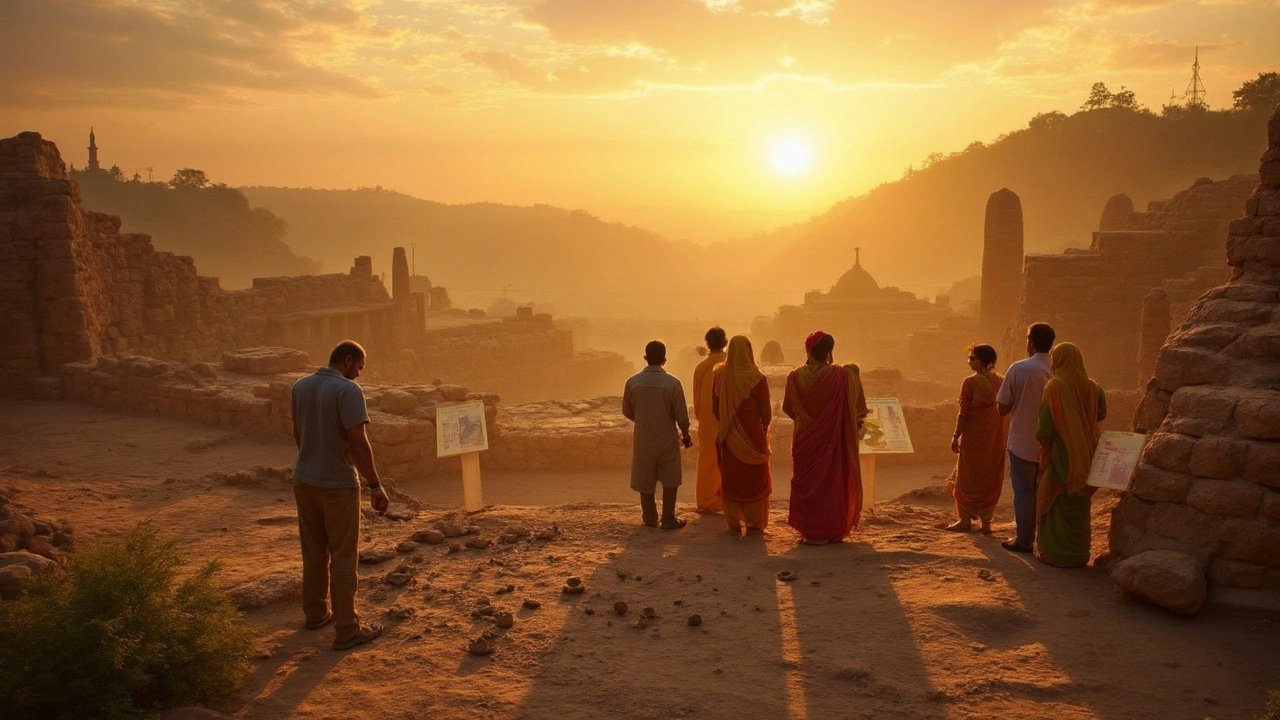
When you think of Ancient India, the cradle of one of Earth’s oldest continuous civilizations, with advanced urban planning, spiritual systems, and artistic traditions that still influence millions today. Also known as Vedic India, it’s not just history—it’s the foundation of how millions live, pray, and travel now. This isn’t about dusty ruins or textbook dates. It’s about the living pulse still beating in temple chants, palace walls turned into luxury trains, and the quiet rituals passed down for over 4,000 years.
Indian heritage, the living legacy of architecture, philosophy, and daily customs that survived invasions, empires, and modernization isn’t locked in museums. You see it in the marble halls of Agra, where the Taj Mahal still draws tears from strangers. You feel it in the narrow alleys of Varanasi, where fire rituals light the Ganges at dawn. And you ride it—literally—on the Palace on Wheels, a luxury train that re-creates royal journeys across Rajasthan, using century-old craftsmanship and service styles from India’s princely era. This isn’t a theme park. It’s a real train, built for royalty, now open to anyone who wants to sleep where kings once walked.
Ancient India didn’t just build monuments. It built systems. The way people still bow before idols, the way spices are mixed in kitchens unchanged for generations, the way yoga flows from meditation practices older than Christianity—all of it comes from this time. Even today’s budget travelers chasing cheap meals in Jaipur or haggling for saris in Delhi are following paths carved by merchants from 2,000 years ago. The same roads, the same markets, the same smells. Nothing was erased. It was layered.
And here’s the thing most guidebooks miss: you don’t need to visit a ruin to feel Ancient India. You just need to sit in a temple courtyard and watch someone light an oil lamp. Or ride a train that smells of sandalwood and polished teak. Or stand on a beach in Goa where foreign travelers come not for clubs, but for silence—just like the sages once did.
What you’ll find below isn’t a list of archaeological sites. It’s a collection of real, lived connections to that past. From why people cry in temples to how the richest Indians still live in heritage homes, from the truth about the Golden Triangle to why a 500-rupee note can buy you more than you think—every post here ties back to something older, deeper, and quieter than the noise of modern tourism. This is Ancient India—not as a postcard, but as a presence.