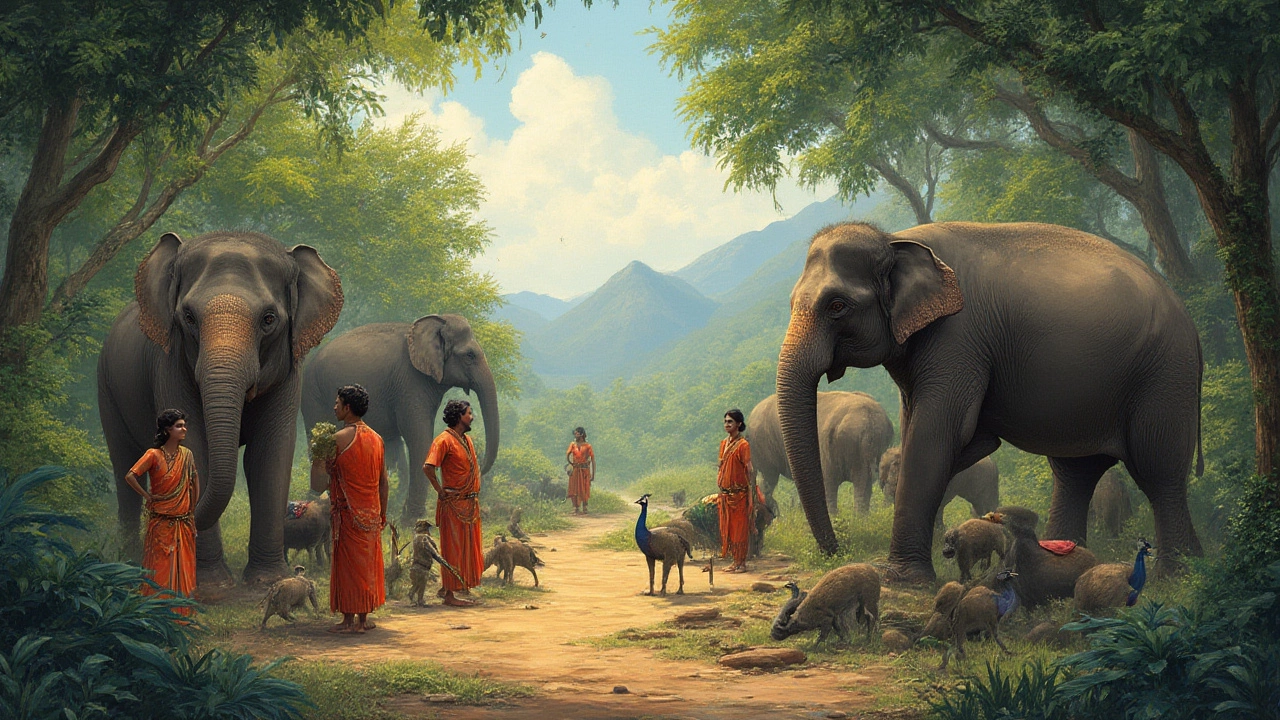
Animal Sanctuaries in India: Where Wildlife Thrives Beyond Zoos
When you think of animal sanctuaries, protected areas where wild animals live free from hunting, habitat loss, or human interference. Also known as wildlife reserves, these spaces are the last safe havens for species like tigers, leopards, and one-horned rhinos that are vanishing elsewhere. Unlike zoos, where animals are displayed, sanctuaries let them roam, hunt, and raise young the way nature intended.
India’s tiger reserves, specific zones managed under Project Tiger to protect wild tiger populations make up the heart of this network. Places like Bandipur in Karnataka and Ranthambore in Rajasthan aren’t just tourist spots—they’re lifelines. Over 3,000 tigers live in these areas today, up from fewer than 1,400 two decades ago. Meanwhile, bird sanctuaries, wetlands and forests set aside for migratory and native birds like Keoladeo in Bharatpur draw thousands of flamingos, cranes, and storks every winter from as far as Siberia. Even lesser-known spots like the Bhagwan Mahavir Sanctuary in Goa protect rare species like the Malabar giant squirrel and Indian bison.
These places don’t just save animals—they protect entire ecosystems. The forests around sanctuaries filter water, store carbon, and prevent soil erosion. Local communities often rely on them for clean air, medicinal plants, and eco-tourism jobs. When you visit an animal sanctuary, you’re not just seeing wildlife—you’re supporting a system that keeps entire regions alive.
What you’ll find in the posts below are real stories from these places: where to spot elephants quietly crossing a river, why some sanctuaries are off-limits to tourists to protect nesting birds, and how a single patch of forest in the Western Ghats holds more biodiversity than entire countries. These aren’t travel brochures—they’re ground-level views of what happens when humans choose to step back and let nature breathe.