Avoid Food Poisoning in India: Safe Eating Tips and Trusted Practices
When you're traveling in India, food poisoning, a common illness caused by eating contaminated food or water. Also known as traveler's diarrhea, it's not inevitable—it's preventable. Thousands of visitors enjoy India’s incredible food every year without a single stomach upset. The difference? They know what to look for, what to ask, and what to walk away from.
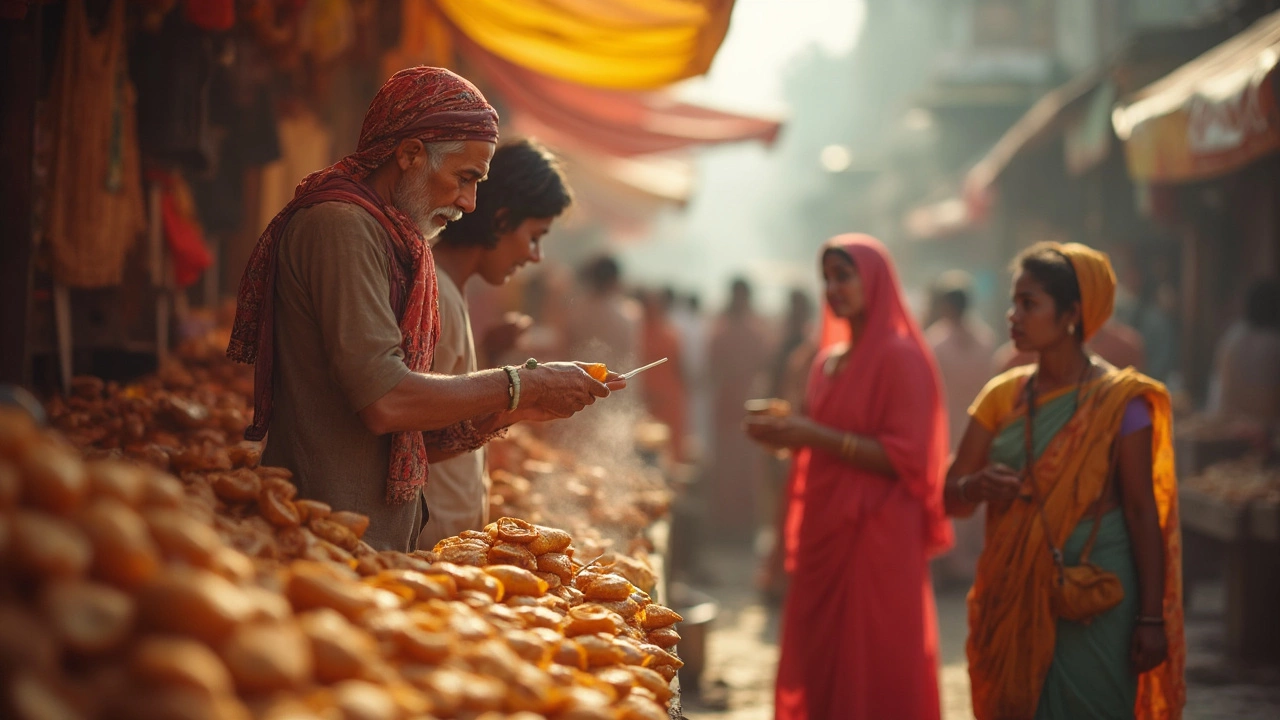
Most cases of food poisoning in India come from three sources: unsafe water, undercooked meat or eggs, and food left sitting out in the heat. It’s not about avoiding street food—it’s about choosing wisely. Look for stalls with a high turnover of customers; if locals are lining up, the food is fresh and moving fast. Avoid anything that’s been sitting under a plastic cover for hours, especially creamy sauces or dairy-based dishes. Boil your water, or stick to sealed bottled water—don’t trust ice unless you know it’s made from purified water. Even brushing your teeth with tap water can be risky in some areas.
Hot, freshly cooked food is your best friend. A sizzling samosa from a busy vendor is safer than a cold salad from a fancy hotel buffet. Curry that’s been simmering for hours? Good. Room-temperature rice sitting next to a pile of unrefrigerated yogurt? Skip it. In cities like Delhi, Mumbai, or Jaipur, many restaurants now use filtered water and follow hygiene standards—ask if they use bottled water for cooking. In smaller towns, trust your gut (literally). If something looks off, smells strange, or feels too greasy, don’t risk it. You don’t need to eat like a local to enjoy local food—you just need to eat smart.
Carry oral rehydration salts in your bag. They’re cheap, light, and can save you from dehydration if things go wrong. Probiotics before your trip can help your gut adjust. And remember, a little discomfort doesn’t mean you’re sick—it might just be your body getting used to new spices. But if you’re running to the bathroom more than three times a day, or have a fever, stop eating out and rest. Most cases clear up in 24 to 48 hours with rest and fluids.
Below, you’ll find real stories and practical advice from travelers who’ve been there—what they ate, what went wrong, and how they avoided it next time. No fluff. Just what works.