Cost of Travel India: What You Actually Need to Know
When people ask about the cost of travel India, the total amount of money needed to visit and experience India, including flights, accommodation, food, transport, and activities. Also known as India trip budget, it’s not about how cheap it is—it’s about how wisely you spend it. India isn’t just affordable; it’s flexible. You can eat for $1 or splurge on a palace stay. You can ride a local train for pennies or book the Palace on Wheels, a luxury train journey across Rajasthan offering royal accommodations and guided tours of historic sites. The real question isn’t "Is India cheap?"—it’s "What kind of India do you want to experience?""
Most travelers get stuck thinking in dollar equivalents, but the truth is in rupees. 500 rupees, roughly $6 USD, can cover a full day of meals, local transport, and a temple donation if you know where to go. That’s not a guess—it’s what real travelers report in Agra, Varanasi, and even Goa. Meanwhile, a night in a mid-range hotel in Delhi might cost you 2,500 rupees, while a luxury train like the Palace on Wheels, a luxury train journey across Rajasthan offering royal accommodations and guided tours of historic sites. runs over $2,000 per person. The gap isn’t magic—it’s choice. Your budget isn’t fixed. It’s shaped by where you go, how you move, and what you prioritize.
Where your money actually goes in India
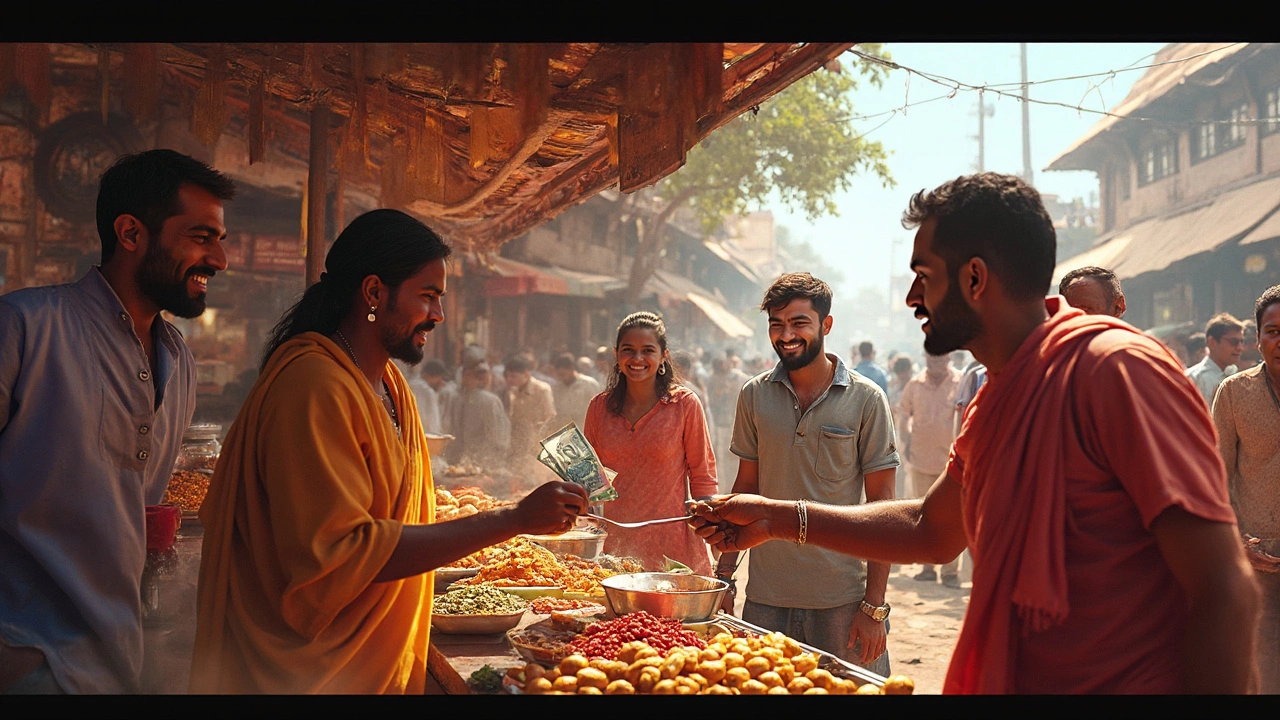
Flights from the U.S. can cost $800–$1,500, but once you land, daily spending drops fast. Food? A plate of dal-chawal at a roadside stall is 80 rupees. A beer at a beach bar in Goa? 300. A rickshaw ride across Jaipur? 150. A night in a heritage guesthouse? 1,200. You don’t need to spend big to feel rich here. The Golden Triangle, the classic tourist circuit of Delhi, Agra, and Jaipur that offers history, culture, and iconic landmarks. can be done in five days for under $300 if you skip fancy hotels and eat like locals. Even luxury has its own rhythm—like staying in a palace-turned-hotel in Udaipur for less than you’d pay for a hotel in Paris.
What trips people up isn’t the cost—it’s the surprise costs. A visa, airport transfers, bottled water, temple entry fees, or a last-minute train ticket upgrade. These add up. But they’re predictable. You can plan for them. You can avoid them. Or you can just accept them as part of the ride. The best travelers don’t chase the lowest price—they chase the best value. That means skipping the tourist traps in Delhi and eating in a local market. It means taking the overnight train instead of a flight. It means choosing Palolem Beach over Baga because peace costs less than parties.
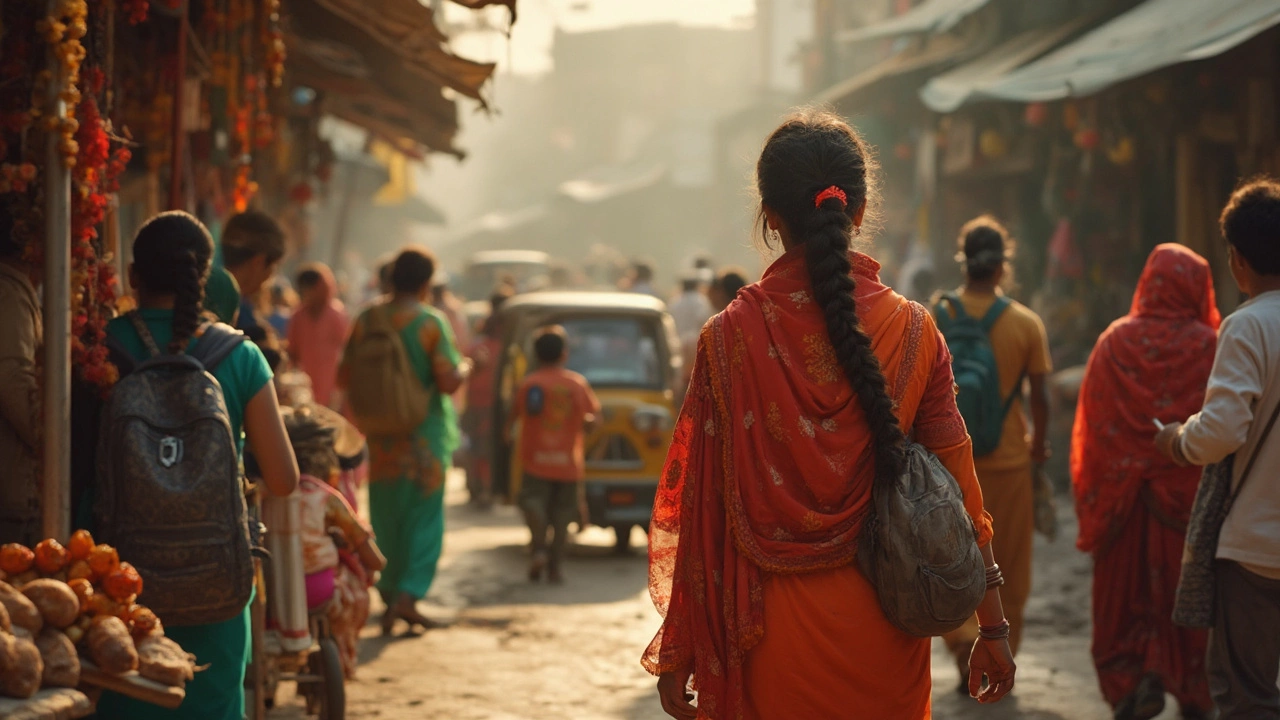
India doesn’t have one price tag. It has dozens. One for the backpacker sleeping in a dorm in Rishikesh. One for the couple on a luxury train through Rajasthan. One for the family staying in a homestay in Kerala. The cost of travel India isn’t a number on a website. It’s a story you write every day—with your choices, your pace, your hunger for real experiences. Below, you’ll find real stories from people who’ve done it—on $10 a day, on $200 a day, and everywhere in between. No marketing. No fluff. Just what it actually costs to see India, your way.