Diwali Festival: Celebrations, Traditions, and Why It’s India’s Biggest Holiday
When you think of Diwali festival, India’s most vibrant and widely celebrated Hindu festival, also known as the Festival of Lights. It’s not just fireworks and sweets—it’s a deep-rooted cultural reset, where homes are cleaned, debts are settled, and families gather to welcome prosperity. For over 50 million households, Diwali isn’t a single day—it’s a five-day ritual that starts with cleaning, builds with shopping, peaks with lamps and fireworks, and ends with feasting and gifts. The lights? They’re not just decoration. They symbolize the victory of good over evil, knowledge over ignorance, and hope over despair—ideas that echo across regions, languages, and generations.
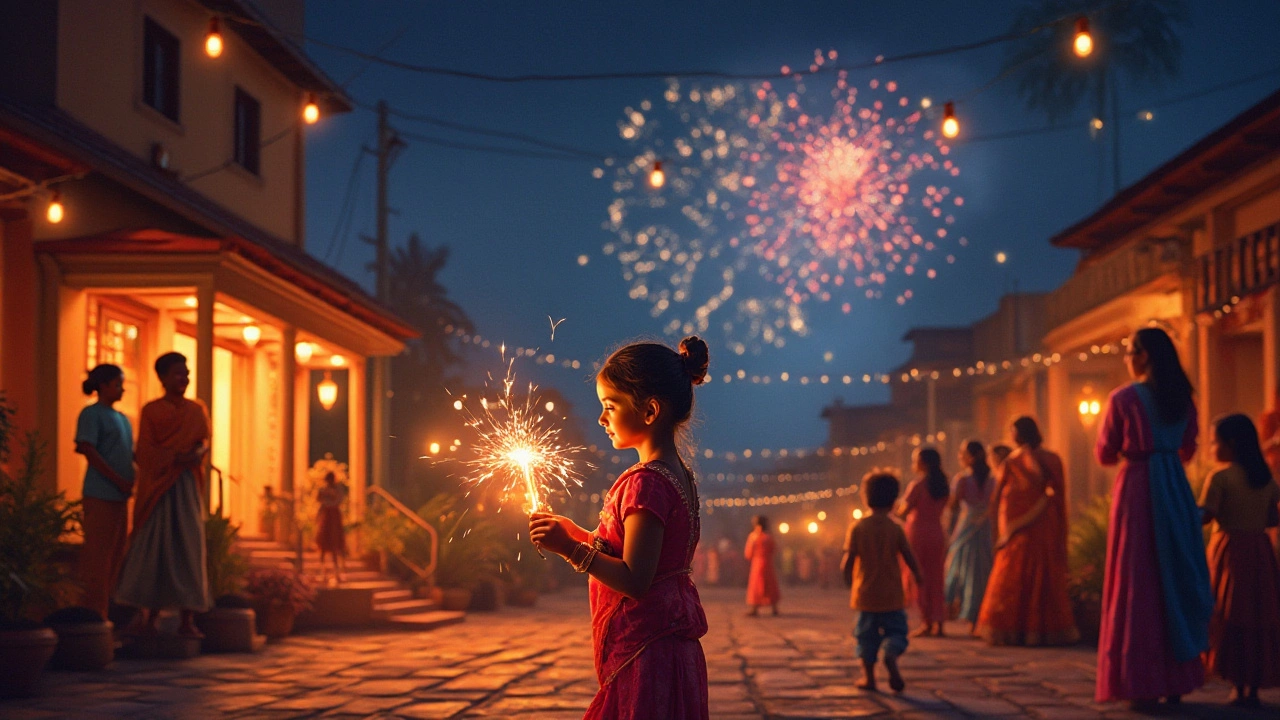
What makes Diwali different from other holidays is how it blends the sacred with the everyday. In North India, people honor Lord Rama’s return to Ayodhya after 14 years in exile. In the South, it’s about Krishna defeating the demon Narakasura. In Gujarat, it marks the new year. Yet, no matter where you are, the rituals feel the same: oil lamps flicker in doorways, rangoli patterns bloom on floors, and the smell of sweets like laddoos and jalebis fills the air. You’ll see families in traditional clothes, kids running with sparklers, and shops glowing with gold and red decorations. It’s the one time of year when even the smallest village turns into a sea of light.
And it’s not just about religion. Diwali is also a massive economic event. Millions buy new clothes, electronics, jewelry, and home goods. Small businesses thrive. Families send gifts across cities and countries. The festival has even shaped how India’s cities look—Delhi, Mumbai, and Jaipur turn into open-air light shows. Even tourists plan trips around it. If you’ve ever seen a video of the Ganges lit by floating diyas, or walked through a market in Varanasi where every stall is bursting with candles, you know: this isn’t just a festival. It’s a living tradition that pulls the whole country together.
What you’ll find in the posts below isn’t just a list of facts. It’s real stories—from how a family in Rajasthan prepares for Diwali with handmade diyas, to why travelers from Europe now book months ahead to experience it firsthand. You’ll see how the festival connects to India’s heritage homes, luxury train journeys, and even the quiet moments of spiritual reflection that happen in temples during this time. Whether you’re planning your first trip or just curious why millions light lamps every year, this collection gives you the unfiltered truth—not the postcard version.