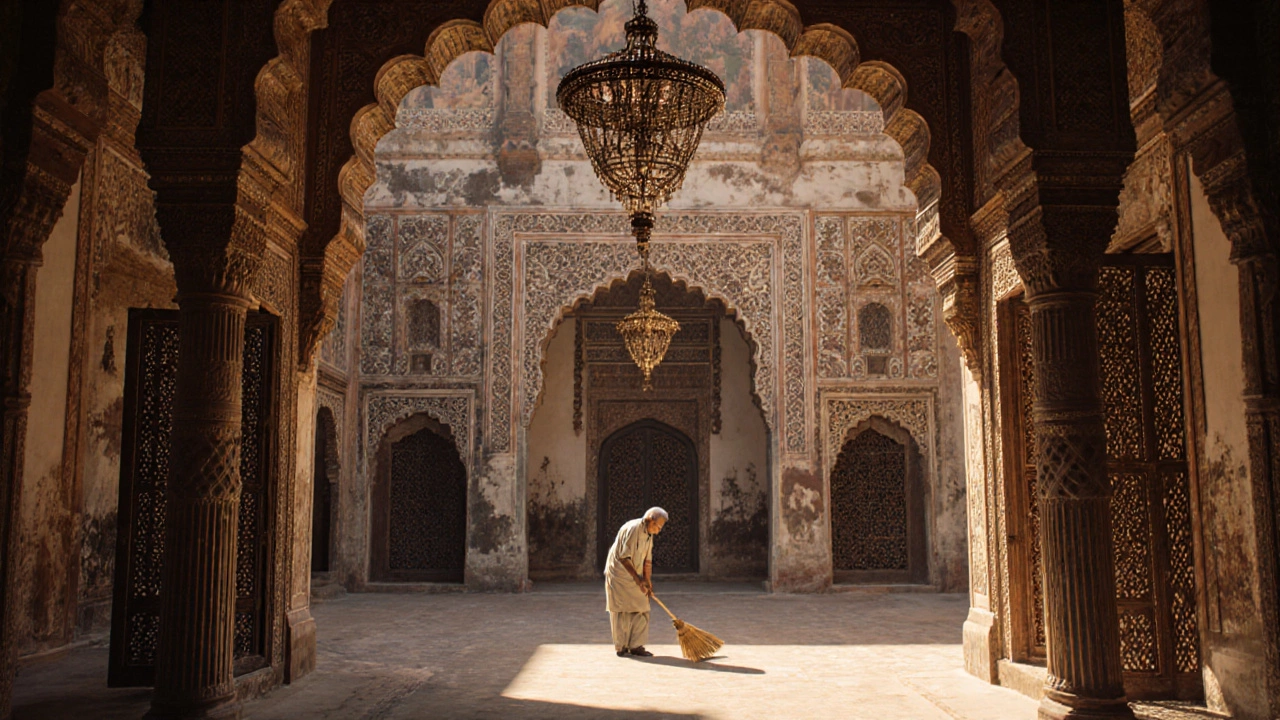
Heritage Homes in India: Where History Lives in Every Wall
When you think of heritage homes, traditional Indian residences that have been passed down through generations, often featuring hand-carved wood, courtyards, and intricate jali work. Also known as ancestral mansions, these homes aren’t just old buildings—they’re the quiet keepers of India’s cultural soul. You might picture grand palaces, but the real magic is in the smaller ones: the havelis of Rajasthan with their painted walls and hidden balconies, the colonial bungalows of Kolkata with their high ceilings and wraparound verandas, the wooden homes of Kerala that breathe with the monsoon wind. These aren’t museums. They’re still lived in. Families cook in the same kitchens their grandparents did. Children play in courtyards where weddings were once held. The architecture isn’t just pretty—it’s practical, built for heat, community, and centuries of daily life.
What makes these homes special isn’t just their age. It’s how they connect people to place. A Rajasthani haveli, a traditional mansion from Rajasthan, often built by wealthy merchants with courtyards for privacy and ventilation. Also known as courtyard house, it isn’t just a building—it’s a social structure. The inner courtyard? That’s where women gathered, children played, and meals were prepared away from public view. The jali screens? They kept the sun out but let the breeze in. The carved wooden doors? They weren’t just art—they were symbols of status, skill, and belief. Meanwhile, in the south, colonial bungalows, large, single-story homes built by British officials in the 1800s, with wide verandas, high ceilings, and tiled floors to beat the heat. Also known as Anglo-Indian homes, they still stand in towns like Ooty and Pondicherry, now home to artists, writers, and families who refuse to let them decay. These homes didn’t just survive—they adapted. And that’s why they still matter.
India’s heritage homes are under threat—not from time, but from neglect and development. But in places like Jaipur, Lucknow, and Maheshwar, people are waking up. Restorations are happening. Guesthouses are turning old mansions into places where travelers can sleep where royalty once walked. You don’t need to be a historian to feel something when you walk through a faded fresco or run your hand along a 200-year-old wooden beam. These homes aren’t just about the past. They’re about what we choose to protect. And in the posts below, you’ll find real stories: how one family saved their 150-year-old home in Udaipur, why a colonial bungalow in Chennai became a café, and how budget travelers can now stay in these places without paying palace prices. This isn’t just travel. It’s time travel—with a roof over your head.