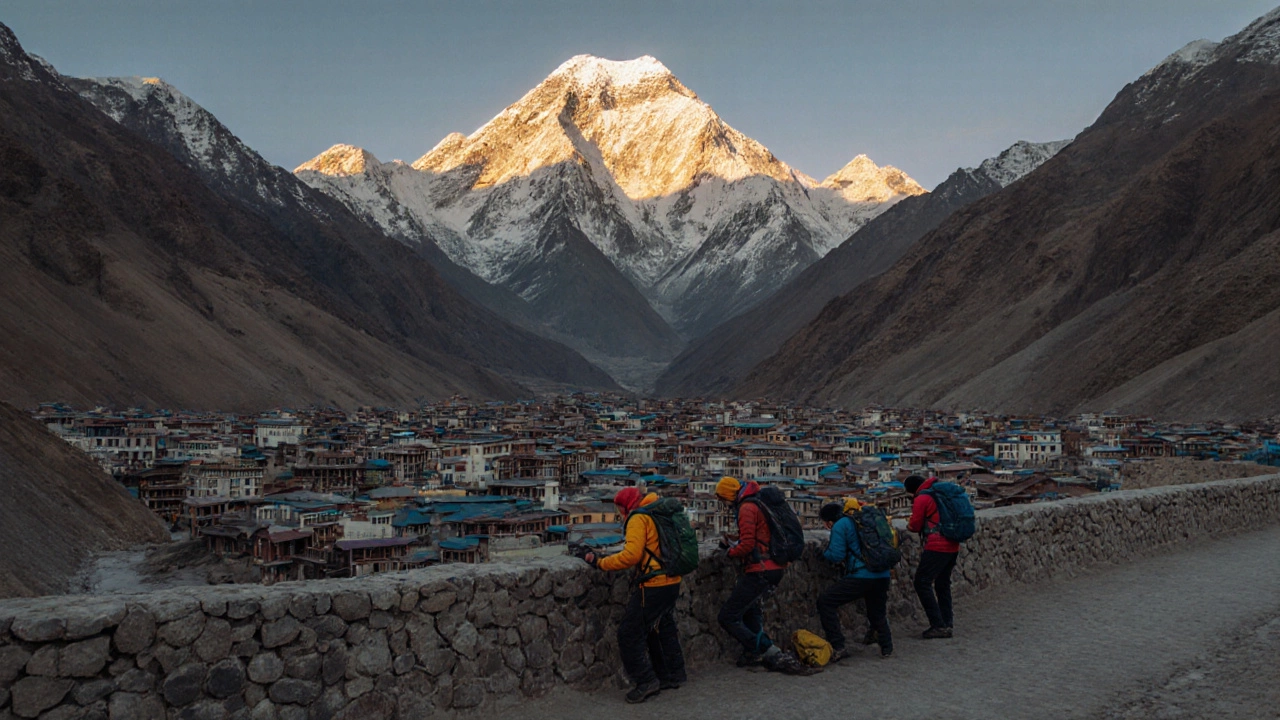
High Altitude Trek India: Best Trails, Tips, and What to Expect
When you think of a high altitude trek India, a challenging outdoor journey above 3,000 meters that tests endurance and rewards with untouched mountain views. Also known as mountain trekking in the Himalayas, it’s not just walking—it’s moving through thin air, past prayer flags, and into places where few tourists ever set foot. These treks aren’t for casual hikers. They demand preparation, respect for the environment, and an understanding of how your body reacts when oxygen gets scarce.
Most Himalayan treks, mountain routes in northern India that cross ranges like the Garhwal, Kumaon, and Ladakh regions. Also known as Indian Himalayan trails, they connect ancient monasteries, glacial lakes, and remote villages that haven’t changed in centuries. Popular routes like the Markha Valley in Ladakh or the Valley of Flowers in Uttarakhand aren’t just scenic—they’re cultural gateways. You’ll pass through villages where locals still carry water from springs and trade yak wool for grain. These aren’t curated experiences; they’re real journeys shaped by weather, altitude, and local wisdom.
Altitude sickness isn’t a myth—it’s a real risk. People think they can just show up in Manali and hike to 5,000 meters. That’s how trips end in evacuation. The best treks build altitude slowly. Most seasoned guides recommend spending a full day resting at 3,500 meters before climbing higher. Hydration, sleep, and listening to your body matter more than fitness. You don’t need to be an athlete—you just need to be smart.
What you’ll find in these posts isn’t a list of Instagram spots. It’s real talk from people who’ve walked these trails. You’ll learn why some treks are better in May, not July. Why you should avoid certain routes after monsoon. How to pack light but still stay warm at -10°C. And why the best views aren’t on the main trail—they’re the ones you stumble upon after a wrong turn and a 30-minute wait for the fog to clear.
These stories aren’t about bragging rights. They’re about survival, silence, and the kind of clarity you only get when you’re tired, cold, and surrounded by mountains that have stood for millions of years. Whether you’re planning your first high altitude trek India or just curious what it’s really like, what follows isn’t fluff. It’s what you need to know before you lace up your boots.