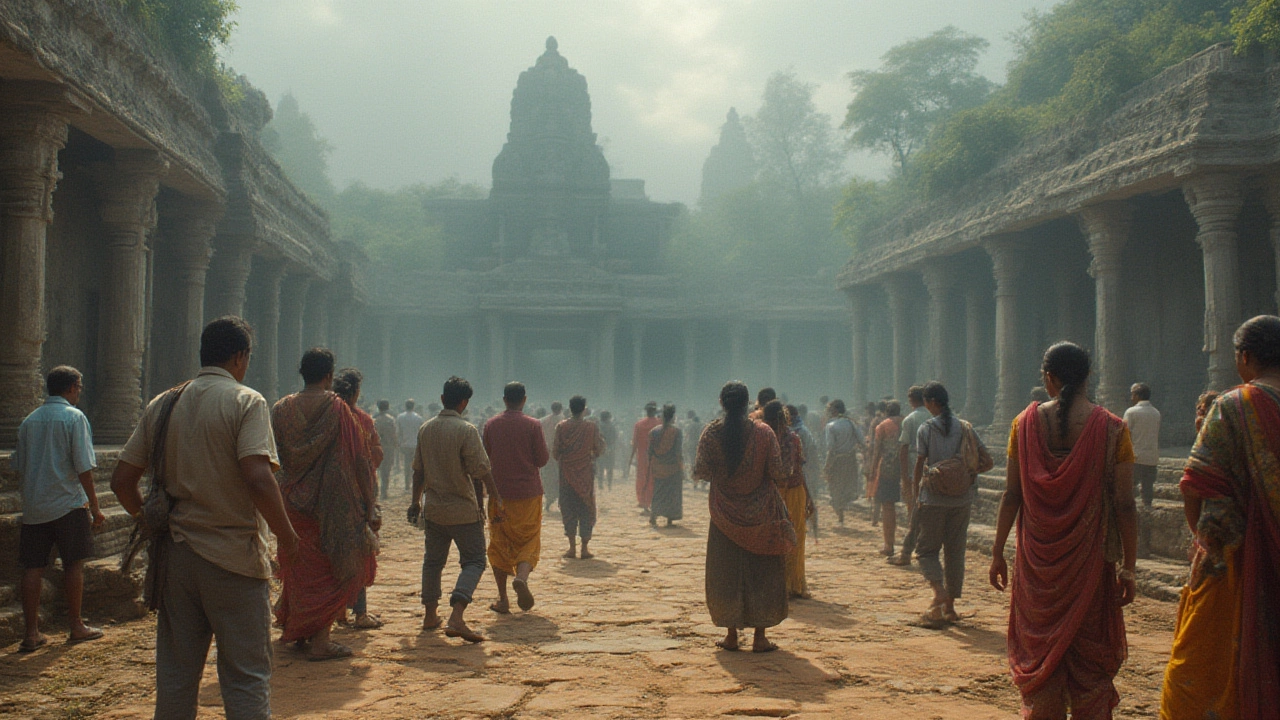
Indian Archaeology: Discover Ancient Ruins, Lost Cities, and Hidden Treasures
When you think of Indian archaeology, the study of human history and prehistory through artifacts, structures, and remains found across the Indian subcontinent. Also known as South Asian archaeology, it uncovers civilizations older than Egypt’s pyramids and cities that thrived before Rome was built. This isn’t just about digging up old pots—it’s about understanding how people lived, traded, prayed, and built communities over 5,000 years ago.
One of the biggest surprises? The Indus Valley Civilization, a highly advanced urban culture that flourished between 3300 and 1300 BCE across what’s now Pakistan and northwest India. Cities like Mohenjo-Daro and Harappa, two of the most extensively excavated sites of the Indus Valley, had grid streets, indoor plumbing, and standardized weights—things Europe wouldn’t see again for millennia. These weren’t primitive villages. They were planned cities with no kings’ palaces, no grand temples, and no written records we can read yet. Who ran them? How did they collapse? We’re still figuring it out.
But Indian archaeology doesn’t stop at the Indus. From the rock-cut temples of Ajanta and Ellora to the massive stupas of Sanchi, from the fortified ruins of Dholavira to the ancient ports of Lothal, the subcontinent is packed with layers of history. You’ll find stone tools from 200,000 years ago in Bhimbetka, early Hindu temples from the Gupta period, and Buddhist monasteries that once hosted thousands of monks. Each site tells a different story—trade routes, spiritual shifts, royal power, everyday life.
What makes Indian archaeology unique isn’t just the age—it’s how alive it still feels. You can walk through the same streets that traders used 4,000 years ago. You can touch the walls where monks once meditated. And unlike many places where ancient sites are locked away behind ropes, here, history blends with the present. Villagers live near ruins. Farmers plow fields that sit atop buried cities. Pilgrims pray at spots that have been sacred for millennia.
What you’ll find in the posts below isn’t a textbook list of dates and digs. It’s real stories—how a simple artifact changed what we thought about ancient Indian society, why a temple in Tamil Nadu holds secrets no one expected, and how local communities are helping protect sites that outsiders once ignored. You’ll read about places you’ve never heard of, and others you’ve seen in photos but never understood. This isn’t just about the past. It’s about who we are now, shaped by what came before.