Maldives: Is It Part of India? Geography, Travel Tips, and Beach Comparisons
When people ask if the Maldives, a sovereign island nation in the Indian Ocean, southwest of India. Also known as the Maldivian Islands, it is a country with its own government, currency, and passport system—not a region or state of India. The confusion comes from how close it is: just 700 kilometers from India’s southern tip. Many Indian tourists fly there for weekend getaways, but that doesn’t make it Indian land. The Maldives is its own nation, independent since 1965, and part of the South Asian Association for Regional Cooperation (SAARC)—same as India, but not under it.
India has its own stunning island chains, like the Andaman and Nicobar Islands, a union territory of India with coral reefs, dense jungles, and clear waters, and Lakshadweep, a group of 36 tiny islands off India’s west coast, known for quiet beaches and traditional fishing culture. These are Indian territory, with Indian laws, Indian visas, and Indian rupees accepted. The Maldives? You need a passport, a visa on arrival, and US dollars or euros. You’re leaving India’s borders—literally and legally.
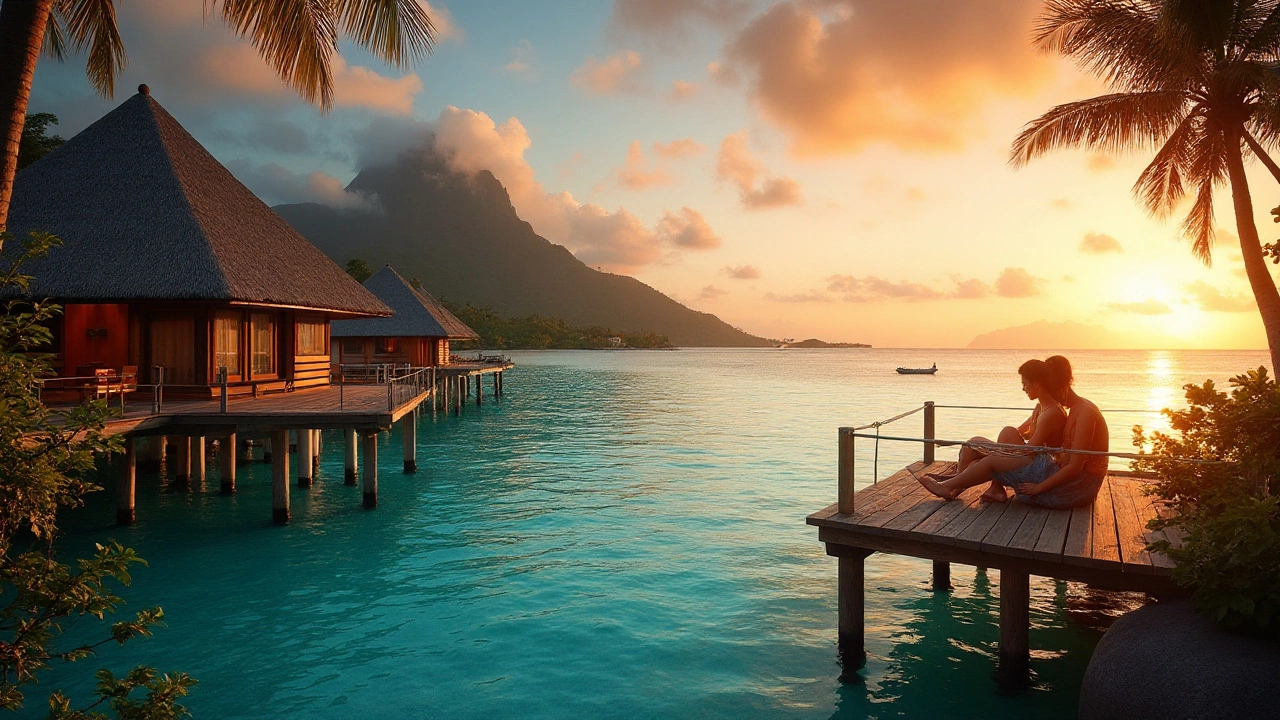
So why do so many Indians choose the Maldives over Indian islands? It’s not just about the water. The Maldives offers private overwater bungalows, all-inclusive resorts, and a level of isolation most Indian beaches don’t provide. In Goa or Kerala, you’ll find crowds, street vendors, and local life. In the Maldives, you might not see another person for days. But here’s the truth: Indian islands like Lakshadweep are cleaner, cheaper, and just as beautiful—if you’re okay with fewer luxury amenities. The Maldives is a luxury escape. Indian islands are authentic escapes.
And if you’re thinking about diving, snorkeling, or just lying on sand that looks like powdered sugar—both places deliver. But the Maldives charges $500 a night for a basic room. In Lakshadweep, you can get a similar beachfront bungalow for $50. The difference isn’t the ocean—it’s the business model. India’s islands are still developing their tourism infrastructure. The Maldives has been selling paradise as a product since the 1970s.
Some travelers mix them up because both sit in the Indian Ocean, both have palm trees, both have turquoise water. But geography doesn’t care about looks. The Maldives is 26 atolls, 1,190 islands, and a population of 500,000. India’s Andaman Islands have 375,000 people, 572 islands, and a different colonial history. One is a nation. The other is part of a country with 1.4 billion people.
What you’ll find in the posts below are real comparisons: where to go if you want luxury vs. local, what to pack for each, how much you’ll actually spend, and why some Indian travelers never leave home. You’ll also see why the Maldives keeps showing up in Indian travel blogs—not because it’s Indian, but because it’s the dream that’s just a short flight away.