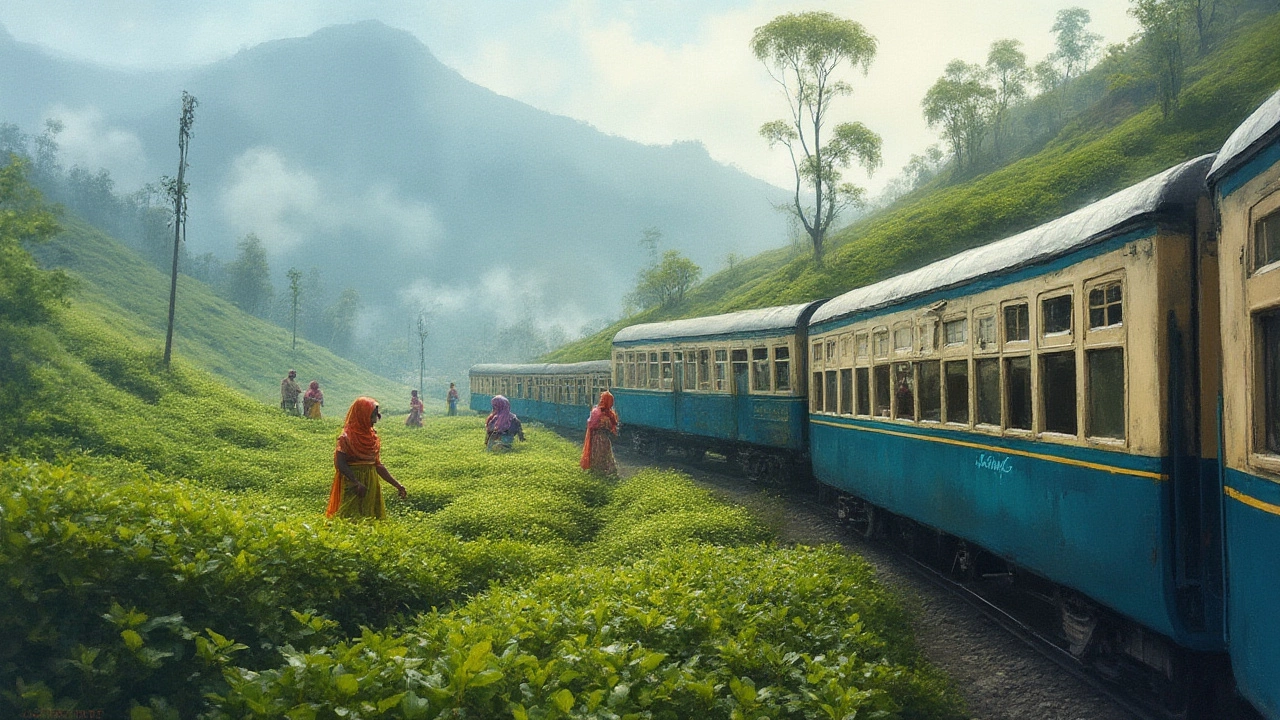
Mountain Railway in India: Heritage Trains Through the Hills
When you think of a mountain railway, a narrow-gauge train that winds through steep, scenic hills, often powered by steam and built in the 19th century. Also known as hill railway, it’s not just transport—it’s a moving museum that connects towns, temples, and tea plantations across India’s rugged terrain. India is home to three of the eight UNESCO World Heritage hill railways in the world, each carved into mountains with engineering that still feels magical today.
These aren’t modern bullet trains. They’re slow, creaky, and full of character. The Darjeeling Himalayan Railway, a 2-foot gauge line that climbs from New Jalpaiguri to Darjeeling, switching back and forth like a zigzagging snake, takes you past misty tea estates and views of Kanchenjunga. The Nilgiri Mountain Railway, the only rack-and-pinion railway in India, climbs 1,000 meters in just 46 kilometers through Tamil Nadu’s blue hills, with wooden coaches and steam engines that hiss like old storytellers. Then there’s the Kalka-Shimla Railway, a 96-kilometer route with over 100 tunnels, built to connect British officials to their summer capital. These aren’t just trains—they’re time machines.
What makes them special isn’t speed, but soul. You’ll see locals selling fresh fruit at tiny platforms, kids waving from schoolyards, and tourists sipping chai as the train rounds a bend and the valley opens up below. These routes were built by colonial engineers, but they’re now owned by the people who live along them. The mountain railway isn’t just a tourist attraction—it’s part of daily life in places where roads are too steep, and buses too risky.
And yes, the Palace on Wheels and other luxury trains get all the attention—but they’re on flat land. The real magic is in the hills, where the tracks are narrow, the brakes are manual, and the journey feels like a gift from the past. Below, you’ll find real stories from travelers who rode these lines, tips on when to go, what to pack, and why skipping them means missing one of India’s most authentic experiences.