Taj Mahal: The Iconic Monument of Love and Indian Heritage
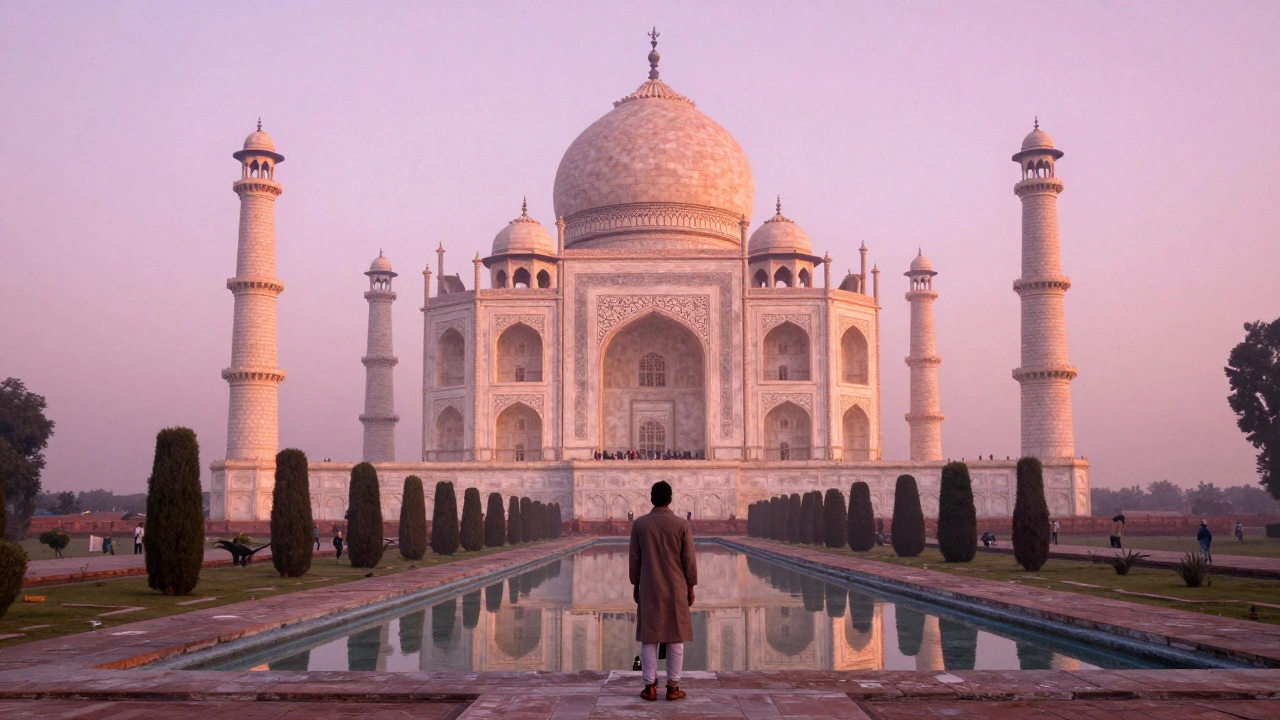
When you think of India’s most famous landmark, one name rises above all: Taj Mahal, a white marble mausoleum built by Emperor Shah Jahan in memory of his wife Mumtaz Mahal. Also known as the Symbol of Love, it’s not just a building—it’s a story carved in stone, witnessed by millions every year. Located in Agra, this UNESCO World Heritage Site isn’t just a photo stop. It’s the centerpiece of India’s Golden Triangle, the classic route that connects Delhi, Agra, and Jaipur, and the most visited cultural site in the country.
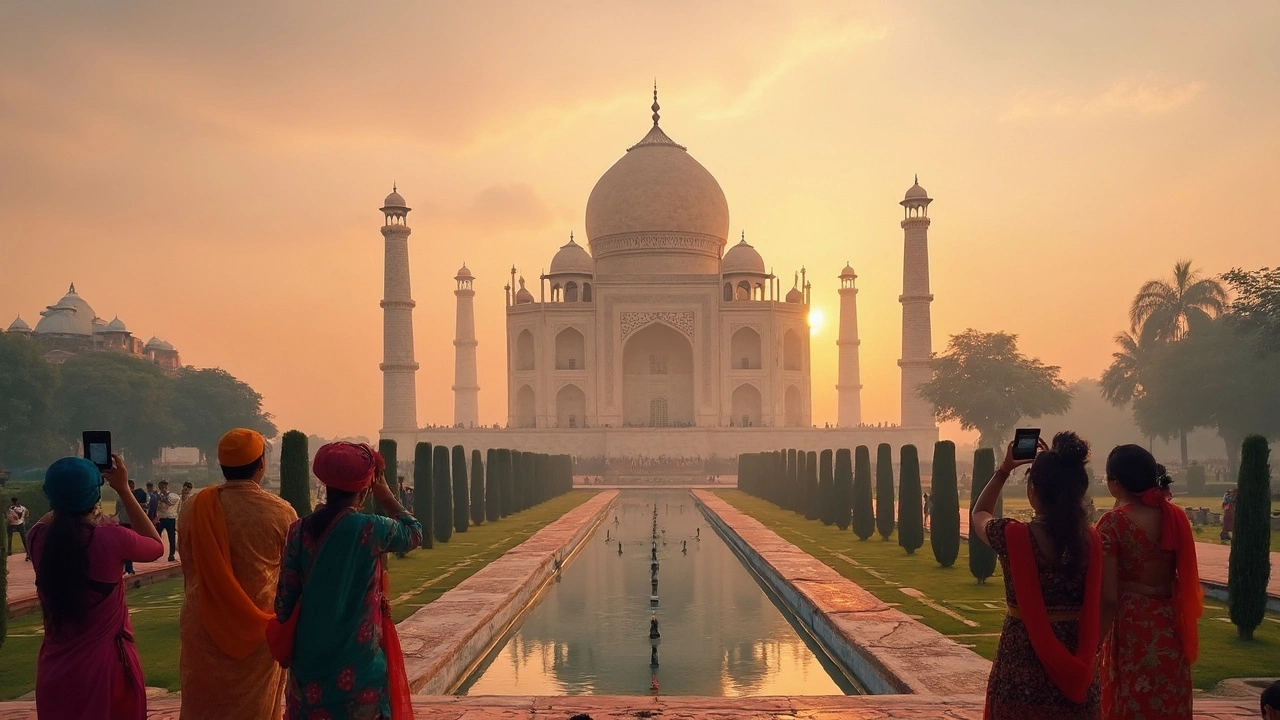
The Taj Mahal belongs to a larger world of Mughal architecture, a blend of Persian, Islamic, and Indian design styles that peaked under the Mughal emperors. Its symmetry, minarets, and intricate inlay work using semi-precious stones reflect a level of craftsmanship that still amazes engineers and artists today. And it’s not alone—nearby, you’ll find Agra Fort, another Mughal masterpiece that tells the rest of the story: power, war, and royal life beyond romance. The Golden Triangle India, the most popular tourist circuit in North India, makes visiting the Taj Mahal easy. Most travelers start in Delhi, take a short train ride to Agra, then head to Jaipur’s palaces and forts—all within a few days.
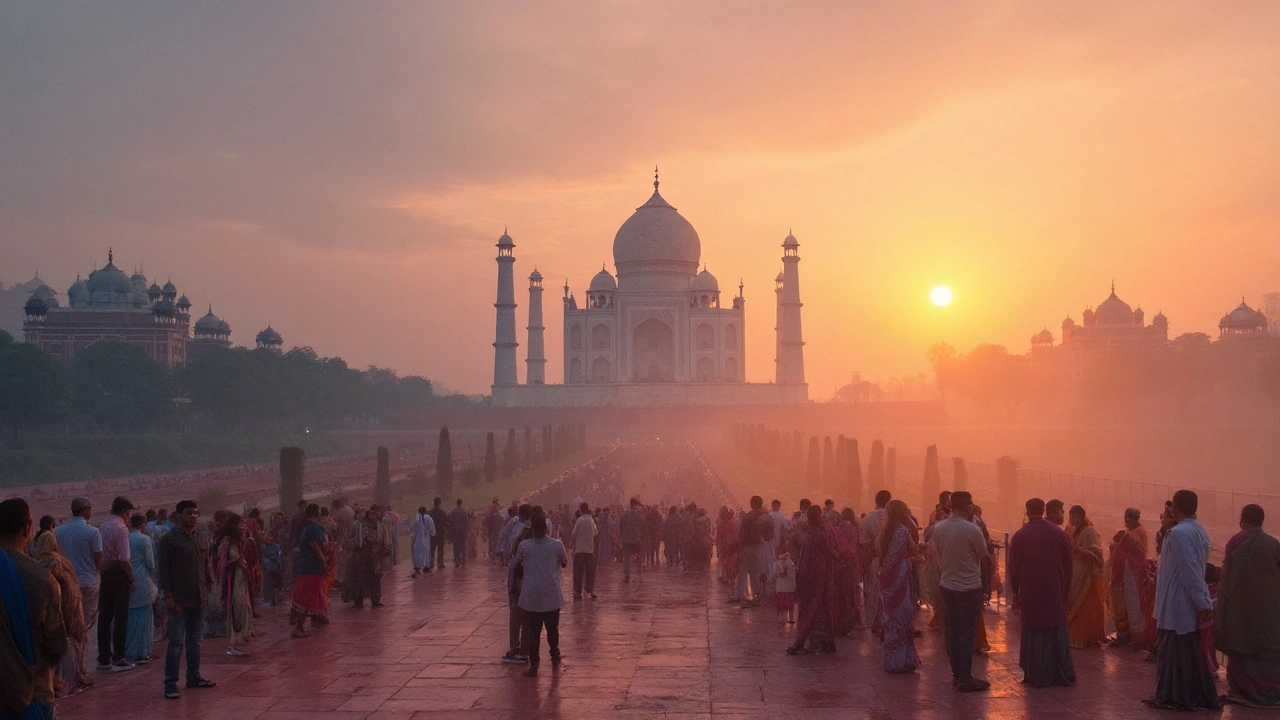
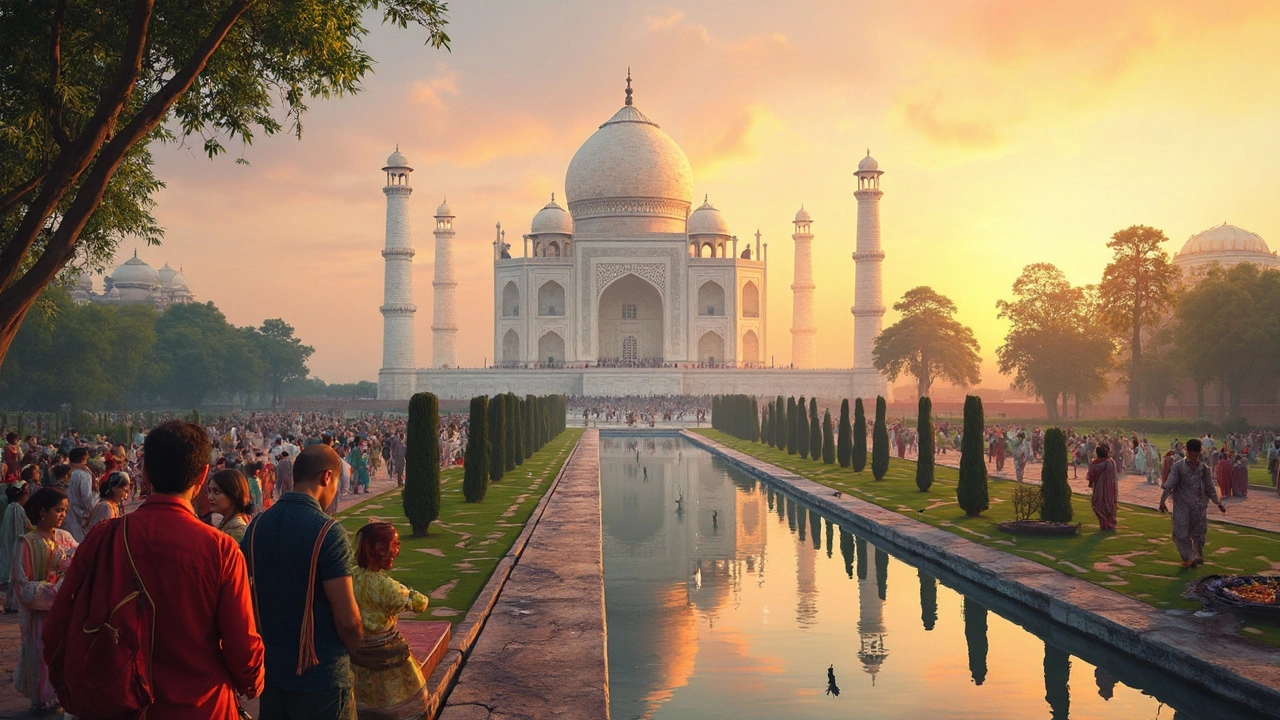
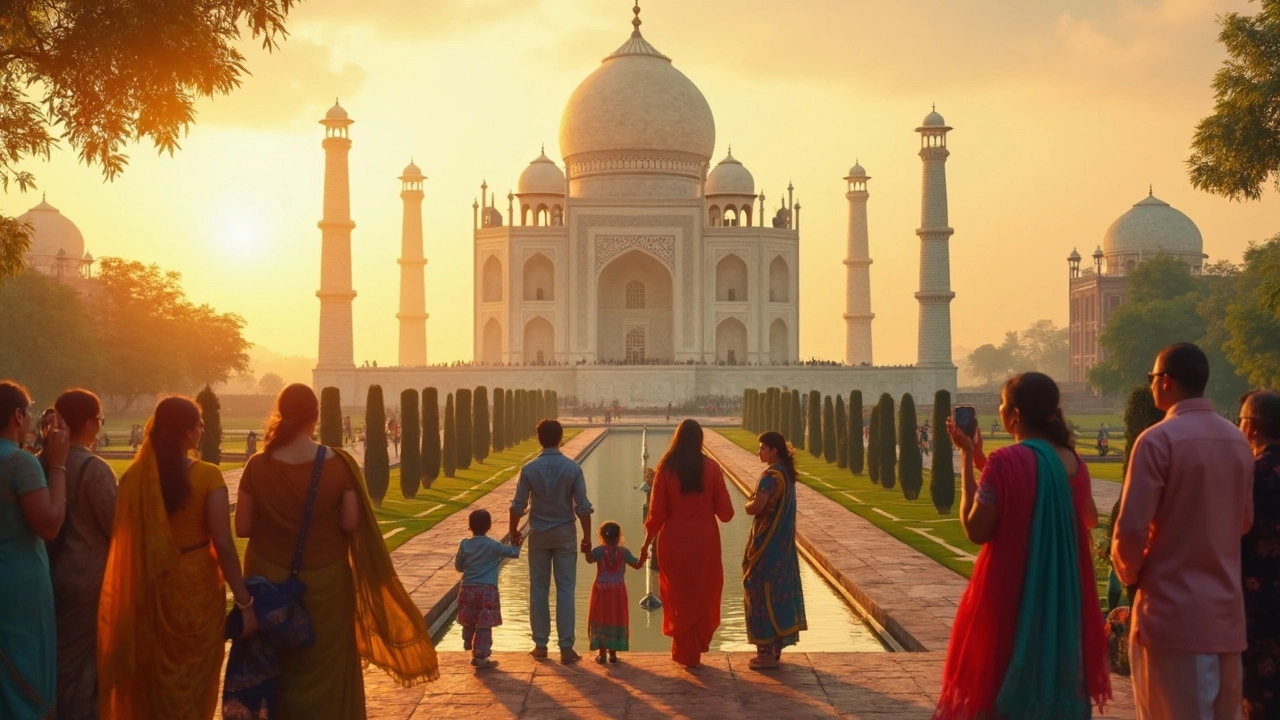
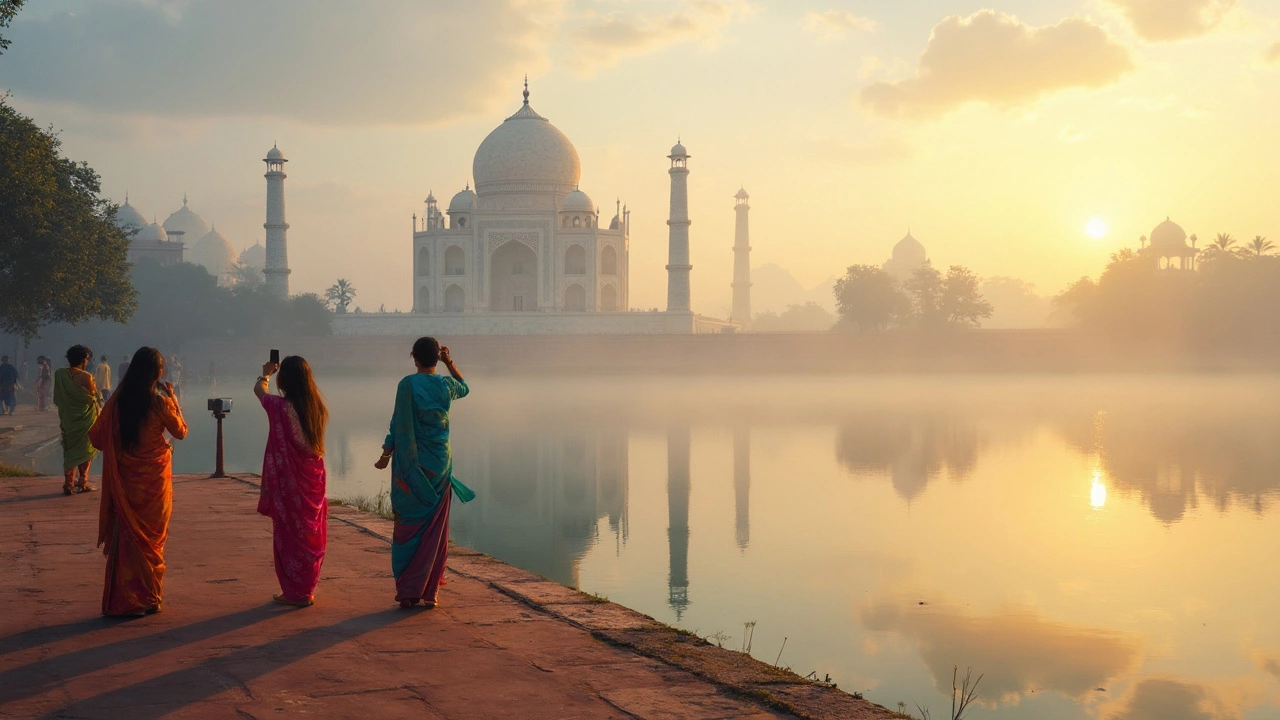
People come for the beauty, but they stay for the feeling. Sunrise over the Yamuna River, the way the marble changes color from pink to gold to white, the quiet hum of visitors whispering in awe—it’s not just sightseeing. It’s a moment that sticks with you. And if you’ve ever wondered why so many short trips to India focus on Agra, it’s because the Taj Mahal delivers something no other site can: a perfect mix of history, emotion, and artistry. You don’t need weeks to feel it. Two days in Agra, with a morning visit to the Taj and a quiet evening by the river, can be enough to understand why this place matters.
What you’ll find in the posts below isn’t just more facts about the Taj Mahal. It’s the real context around it—the budget tips for visiting, how it fits into India’s broader culture, why it’s still the best introduction to the country, and even how luxury train journeys like the Palace on Wheels make the trip unforgettable. Whether you’re planning your first trip or just curious, these stories give you the full picture—not just the postcard version.