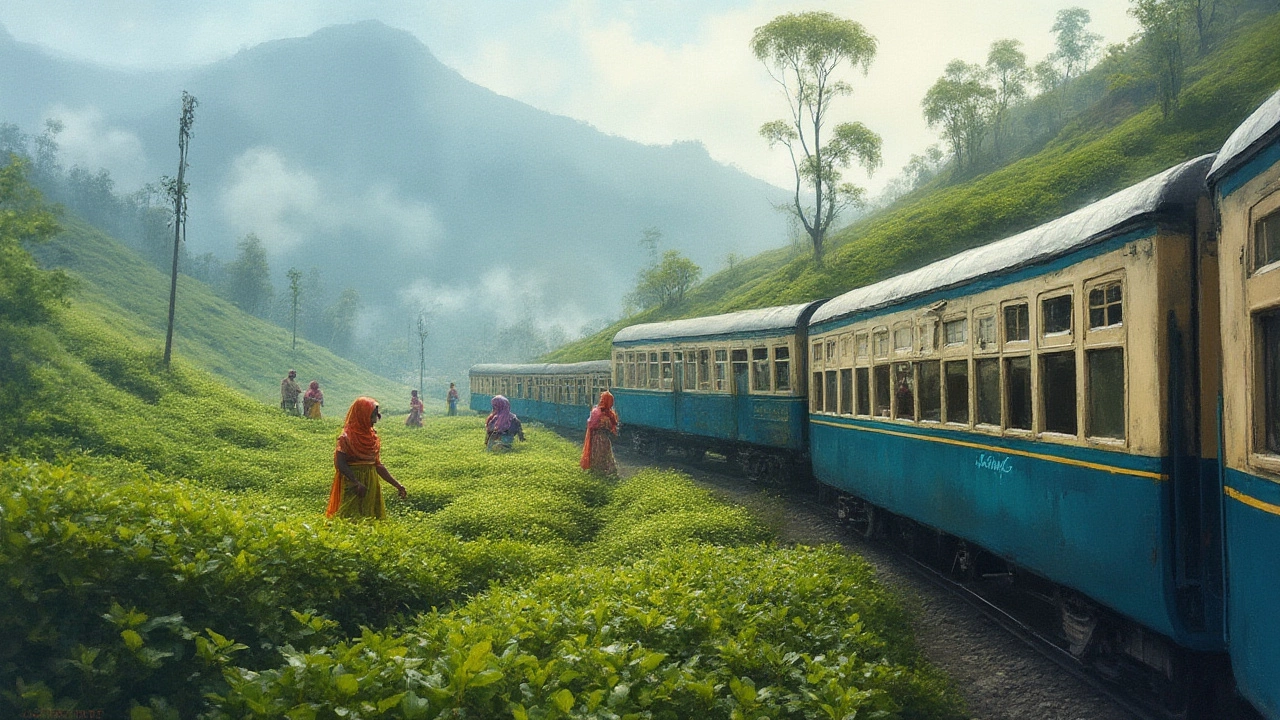
Train Travel Tips for India: How to Ride Smart, Save Money, and Stay Comfortable
When you think of train travel in India, the world’s largest railway network that moves over 23 million people daily. Also known as Indian Railways, it’s not just transportation—it’s a cultural experience that connects villages to cities, pilgrims to temples, and tourists to palaces. Whether you’re hopping between Delhi and Agra on a budget or splurging on a royal ride, knowing the right train travel tips can turn a long journey into one of the best parts of your trip.
Most travelers don’t realize how different train classes are in India. There’s AC First Class, AC 2-Tier, AC 3-Tier, Sleeper Class, and General—each with its own rules, comfort level, and price. If you’re after luxury, Palace on Wheels, a heritage luxury train that offers royal treatment across Rajasthan’s forts and palaces is the gold standard. It’s not a regular train—it’s a moving palace with butlers, fine dining, and guided tours. But if you’re on a budget, Sleeper Class, the most common option for locals and backpackers, offering basic beds and open windows is perfectly fine if you pack smart: earplugs, a lock, snacks, and a small pillow. Many tourists skip this because they think it’s rough, but with the right prep, it’s authentic, cheap, and surprisingly safe.
Booking tickets is where most people get stuck. IRCTC is the official site, but it crashes during peak season. Use the IRCTC Rail Connect app instead—it’s faster, lets you track waitlists, and even lets you book Tatkal tickets (last-minute, higher-priced seats) as soon as they open at 10 AM. Don’t wait until the day before. Also, avoid booking from third-party agents unless they’re verified—many overcharge or sell fake tickets. And if you’re traveling with family or friends, always choose adjacent berths. No one wants to sleep next to a stranger who snores.
Food on trains is another big question. Yes, you can buy meals from vendors on the platform or from pantry cars, but prices go up fast. Pack your own: parathas, boiled eggs, fruit, nuts, and bottled water. You’ll save money and avoid stomach issues. And if you’re on a long ride—say, 18 hours to Kerala—bring a reusable cup. Tea is cheap, hot, and everywhere. Just don’t drink it if it’s been sitting too long.
Security matters too. Keep your bag under your bed or locked to the frame. Don’t flash cash or expensive gadgets. Most thefts happen in crowded stations, not on the train. And if you’re a solo female traveler, opt for women-only coaches when available—they’re marked clearly and are quieter, safer, and less crowded.
There’s no single way to ride India’s trains. Some come for the luxury, others for the adventure. But every traveler, no matter their budget, needs the same thing: a little planning and a lot of patience. The trains aren’t perfect—they’re slow, loud, and sometimes messy. But they’re also where you’ll meet locals who invite you to share tea, where you’ll watch the landscape change from mountains to deserts in one day, and where you’ll realize why this country moves on rails, not just roads.
Below, you’ll find real stories from people who’ve done it—how they saved hundreds on tickets, what they packed, which luxury train was worth the price, and why they’d never fly between cities again.