Travel Health India: Stay Safe and Healthy on Your India Trip
When you’re planning a trip to India, a country with vibrant culture, diverse climates, and complex infrastructure. Also known as the Indian subcontinent, it’s one of the most rewarding places to visit—but only if you prepare for its unique health challenges. Travel health in India isn’t about fear. It’s about smart choices. Millions visit every year without major issues, but many get sick because they assume India works like home. It doesn’t. Water, food, bugs, and even the air can catch you off guard if you’re not ready.
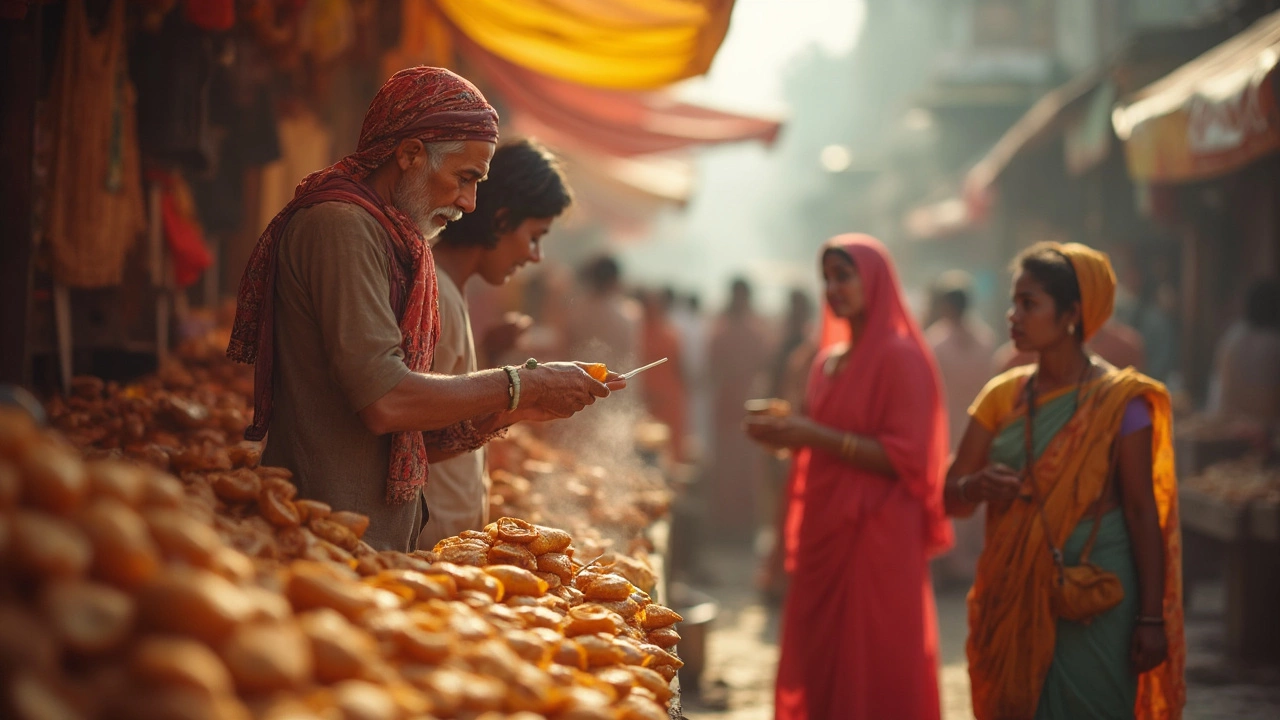
One of the biggest risks is contaminated water. Bottled water is the norm, but even that can be risky if the seal is broken. Stick to sealed bottles from trusted brands, and avoid ice unless you’re sure it’s made from purified water. Street food? Don’t skip it—but choose busy stalls. If locals are lining up, the food is likely fresh and hot, which kills most bacteria. Avoid raw salads, unpeeled fruits, and dairy left out in the heat. Diarrhea is the most common travel illness in India, but it’s usually mild and treatable with oral rehydration salts, which you can buy at any pharmacy.
Then there’s vaccines. Most travelers need Hepatitis A and Typhoid. Tetanus is a good idea if you haven’t had one in 10 years. Rabies isn’t common, but if you’re planning treks in rural areas or might encounter stray dogs, consider the pre-exposure shots. Mosquitoes are everywhere—especially in monsoon season. Use DEET-based repellent, wear long sleeves at dusk, and sleep under a net if you’re in a basic guesthouse. Dengue and chikungunya are real threats, but they’re preventable. No magic pills. Just smart habits.
Medications matter too. Pack a small first-aid kit with anti-diarrheal pills, painkillers, antihistamines, and antibiotic cream. Bring a copy of your prescriptions. Pharmacies in India are everywhere, and generic drugs are cheap—but don’t trust random sellers. Stick to chain pharmacies like Apollo or MedPlus. If you have a chronic condition, bring extra meds in original bottles. India’s healthcare system is world-class in cities like Delhi and Bangalore, but rural clinics can be hit or miss. Travel insurance with medical evacuation? Non-negotiable.
And don’t forget altitude. If you’re heading to Leh, Manali, or the Himalayas, give yourself time to adjust. Headaches and nausea aren’t just fatigue—they could be signs of altitude sickness. Descend if symptoms get worse. Heat exhaustion is another silent killer, especially in Rajasthan or South India. Drink water constantly, even if you don’t feel thirsty. Wear a hat. Take breaks. No one expects you to power through.
What you’ll find below are real stories and practical tips from people who’ve navigated these exact issues. From what to pack in your first-aid kit to which hospitals in Mumbai you can trust, these posts cut through the noise. No fluff. No guesswork. Just what works when you’re on the ground in India.