Varanasi History: The Ancient Soul of India’s Spiritual Heart
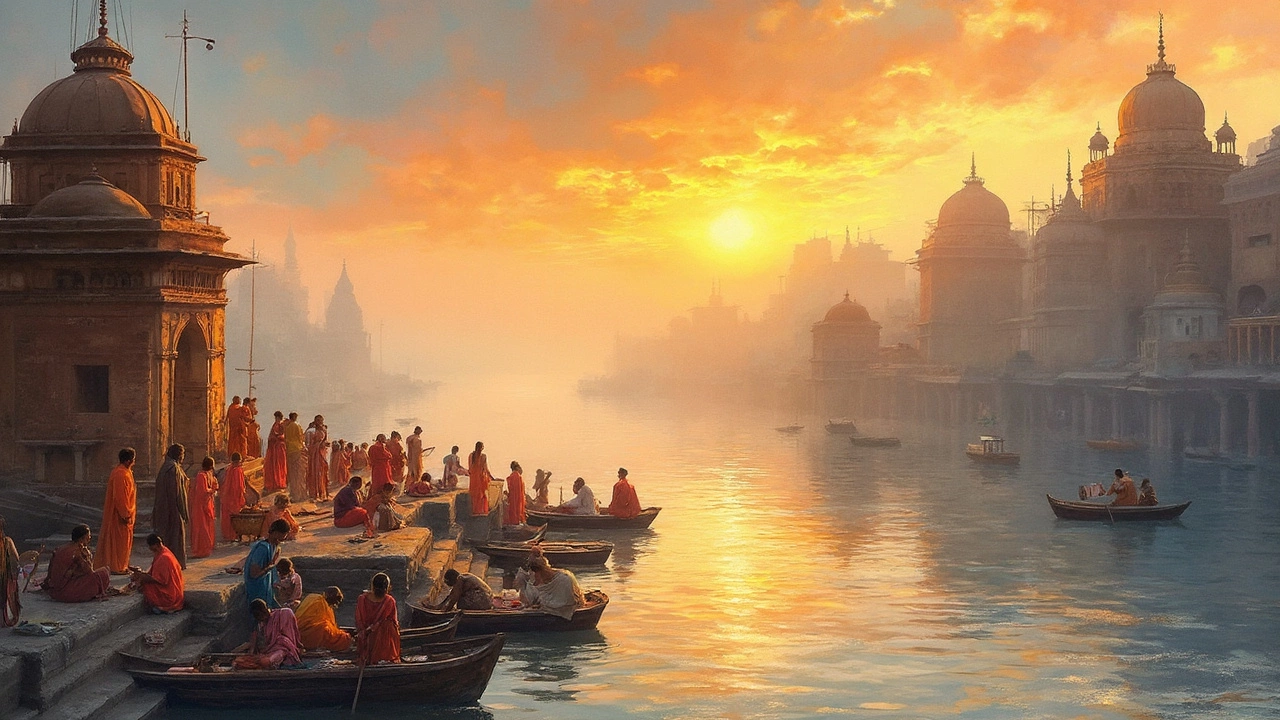
When you think of Varanasi, one of the oldest continuously inhabited cities on Earth, deeply tied to Hindu spirituality and the sacred Ganges River. Also known as Kashi, it’s not just a place—it’s a living tradition where rituals, music, and death all blend into daily life. This city doesn’t sit quietly in history books. It breathes it. Every step along the ghats, every chant at dawn, every funeral pyre glowing on the riverbank carries centuries of meaning.
Varanasi history isn’t about kings and battles alone—it’s about the Ganges River, a sacred waterway worshipped as a goddess and believed to cleanse sins. Pilgrims come here from all over India to bathe in its waters, believing a single dip can free them from the cycle of rebirth. The river doesn’t just flow through the city—it defines it. Temples line its banks, some dating back to the 18th century, others built on foundations older than the Roman Empire. The spiritual heritage, a living chain of rituals passed down through generations of priests, musicians, and devotees here is unmatched in India.
What makes Varanasi different from other ancient cities is that nothing here feels like a museum. You won’t find glass cases and quiet halls. Instead, you’ll hear the sound of temple bells mixed with the chatter of street vendors, see saffron-clad sadhus meditating beside smartphone-toting tourists, and smell incense rising above sari stalls. This isn’t staged for visitors—it’s real, raw, and relentless. The city’s history isn’t preserved behind ropes; it’s lived, every day, by millions.
And then there’s the Hindu pilgrimage, the reason millions travel to Varanasi, not just to see, but to die here. In Hindu belief, dying in Varanasi means breaking free from rebirth. That’s why the city’s cremation ghats—especially Manikarnika—are always burning. It’s not morbid. It’s sacred. It’s the ultimate act of letting go, witnessed by strangers who come to pay respects, not out of pity, but out of reverence.
Varanasi history doesn’t stop at religion. It’s where classical music was shaped, where silk weavers perfected the art of Banarasi brocade, and where poets like Tulsidas wrote the Ramcharitmanas in the 16th century. This is a place where knowledge was passed orally, through guru-shishya parampara, long before universities existed. You won’t find a single textbook that captures its depth—but you’ll feel it when you sit on the ghats at sunrise.
What you’ll find in the posts below isn’t a dry timeline of rulers and dynasties. It’s real stories: the quiet rituals of priests who’ve served here for generations, the travelers who came for a weekend and stayed for a lifetime, the hidden alleys where ancient chants still echo louder than traffic. These aren’t just facts—they’re fragments of a soul that’s been singing for over three millennia.