Wildlife Protection in India: Safeguarding Tigers, Elephants, and Natural Heritage
When we talk about wildlife protection, the active effort to preserve wild animals and their habitats from extinction and human damage. Also known as wildlife conservation, it’s not just about saving tigers—it’s about keeping entire ecosystems alive. In India, this isn’t a slogan on a poster. It’s a daily fight happening in forests, rivers, and grasslands where people and animals share space.
India’s national parks, government-protected areas designed to conserve biodiversity and natural landscapes like Jim Corbett, Ranthambore, and Kaziranga are the backbone of this effort. These aren’t zoos. They’re living landscapes where tigers stalk prey, elephants migrate across ancient routes, and one-horned rhinos still roam free. The country holds nearly 80% of the world’s wild tigers, thanks to decades of focused protection—no other nation comes close. But parks alone aren’t enough. tiger conservation, targeted programs to increase tiger populations through anti-poaching, habitat restoration, and community engagement works because locals are paid to be guardians, not poachers. Villagers near Bandhavgarh now earn more guiding tourists than they ever did hunting deer. That shift changed everything.
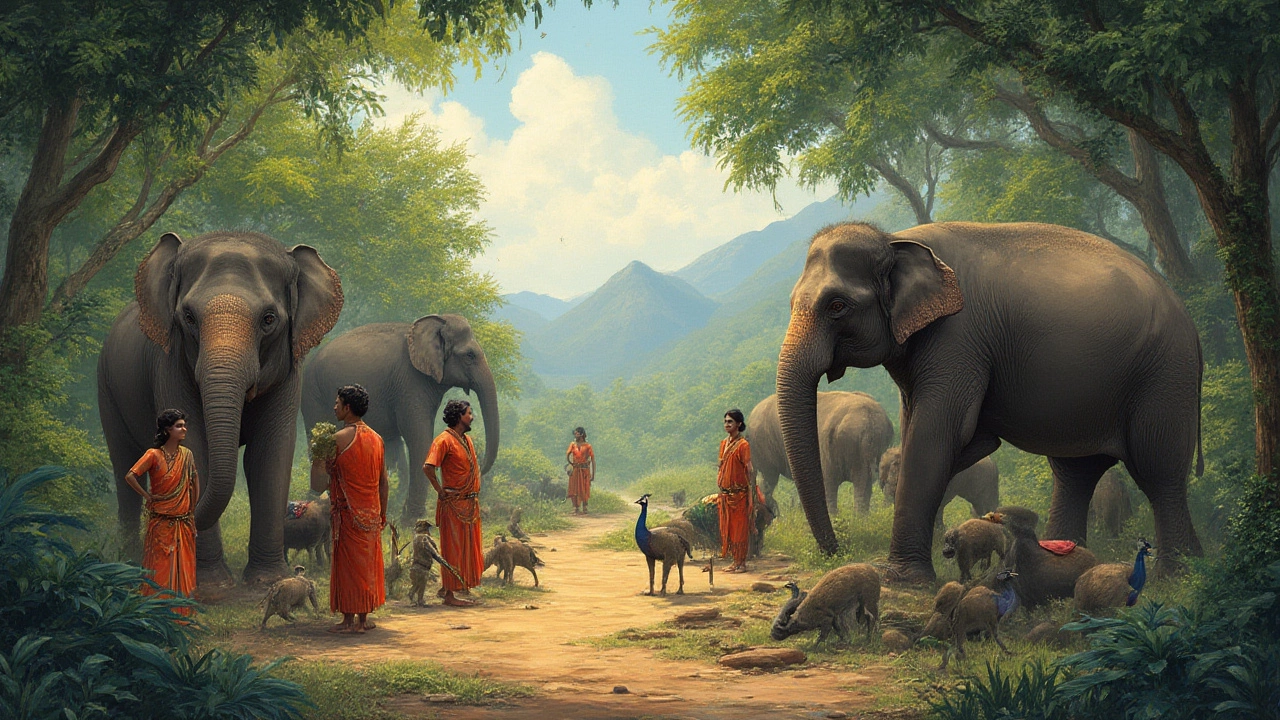
It’s the same story with elephant reserves, designated corridors that let elephants move safely between forests without crossing roads or farms. In Assam, elephant corridors are protected by law. In Karnataka, farmers get compensation when elephants raid crops—so they don’t poison them. These aren’t policies made in Delhi offices. They’re born from real conversations between forest officers, villagers, and tribal leaders. And it shows: elephant numbers are rising, not falling.
But wildlife protection isn’t just about big animals. It’s about the birds in the wetlands of Bharatpur, the snow leopards in Ladakh, the pangolins in Odisha’s forests—all of them slipping away without notice. India’s biodiversity, the variety of life in all its forms, from genes to ecosystems is one of the richest on Earth. And yet, it’s fragile. A single road, a single illegal mine, a single poacher with a snare can undo years of work.
You won’t find all these stories in travel brochures. But you’ll find them in the posts below—real accounts from people who’ve seen a tiger in the wild, walked through a protected forest, or met the rangers who risk their lives every day. Some posts talk about luxury train journeys that pass through tiger reserves. Others show how budget travelers can visit national parks without paying tourist traps. One even asks why people cry in temples—because sometimes, standing in a forest where a tiger once walked, you feel something deeper than religion.
What you’ll see here isn’t just facts. It’s proof that wildlife protection in India isn’t a government project—it’s a cultural shift. And if you visit with the right eyes, you’ll leave not just with photos, but with a reason to care more.