Mountaineering Style Matcher
Answer three simple questions to find out which of the three primary mountaineering approaches—Alpine, Expedition, or Ski Mountaineering—is right for your next high-altitude adventure.
You’re standing at the base camp, looking up at a jagged peak piercing the clouds. The air is thin, your heart is pounding, and you have a critical decision to make before you take that first step upward. Are you going to carry everything on your back like a pack mule? Will you hire a team of porters to haul your gear? Or are you going to move fast and light, trusting only your own strength and skill? This isn’t just about fitness; it’s about strategy. In the world of high-altitude adventure, specifically within the rugged landscapes of Mountaineering, there are three distinct approaches to conquering a summit. Understanding them can mean the difference between a triumphant return and a dangerous retreat.
Most beginners confuse hiking with mountaineering, but they are different beasts. Hiking usually follows established trails at lower altitudes. Mountaineering involves technical skills, specialized equipment, and often, significant altitude gains above 4,000 meters (13,123 feet). Whether you are eyeing the majestic Himalayas or the steep slopes of the Western Ghats, knowing which style fits your goals and resources is crucial. Let’s break down the three primary types: Alpine Style, Expedition Style, and Ski Mountaineering.
Alpine Style: Fast, Light, and Self-Sufficient
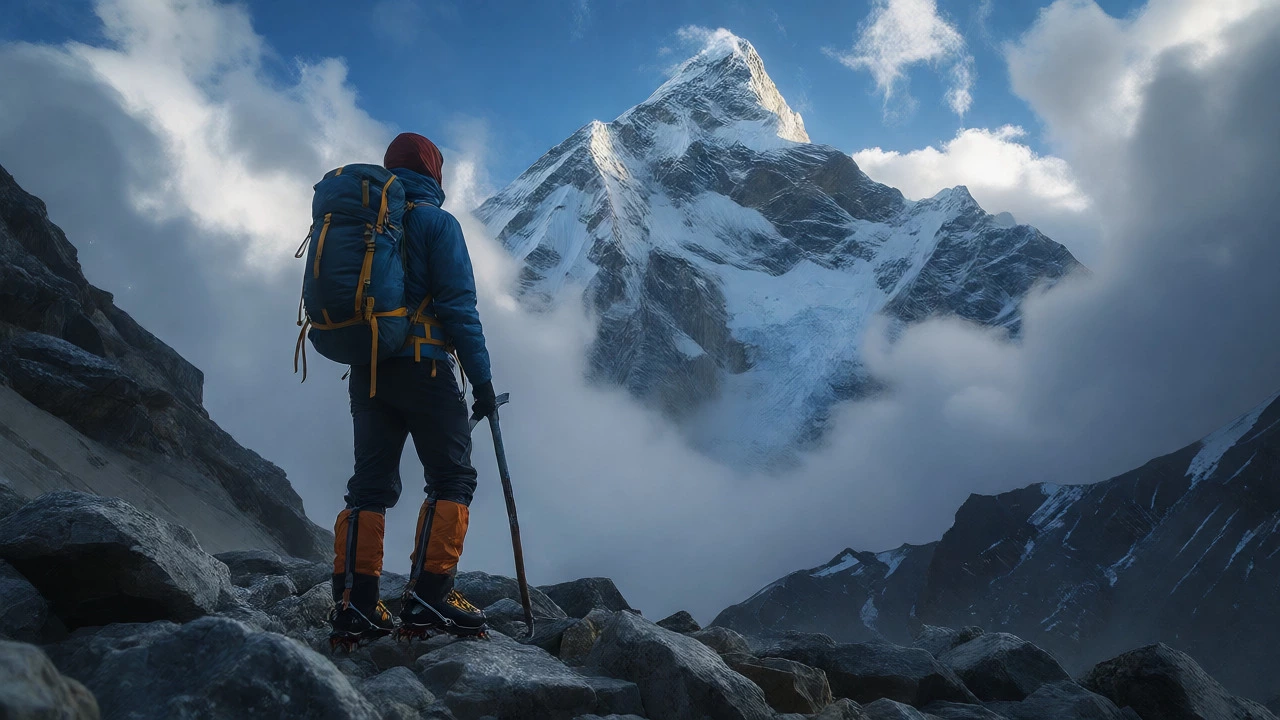
If you value speed and minimalism, Alpine Style is likely your path. This approach rejects the traditional notion of fixed camps and heavy logistics. Instead, climbers carry all their necessary gear-food, shelter, ropes, and safety equipment-in a single backpack. There are no pre-set routes with fixed ropes, and no army of porters carrying tents up the mountain. You climb from one natural resting point to another, moving continuously.
This method demands a high level of physical fitness and technical proficiency. Because you aren’t acclimatizing slowly over weeks, you need to be efficient. In India, this style is increasingly popular among younger trekkers tackling peaks like Stok Kangri in Ladakh or smaller summits in Uttarakhand. The advantage? You leave a lighter footprint on the environment and can react quickly to changing weather conditions. If a storm rolls in, you’re not stuck waiting for a support team to set up camp; you’re already moving.
| Feature | Alpine Style | Expedition Style | Ski Mountaineering |
|---|---|---|---|
| Speed | High | Low | Variable (Fast ascent/descent) |
| Support Team | Minimal or None | Large (Porters, Cooks, Guides) | Small or Solo |
| Acclimatization | Rapid / Continuous | Gradual / Rotational | Rapid |
| Cost | Lower | Very High | Moderate to High (Equipment) |
| Primary Gear | Crampons, Ice Axe, Rope | Tents, Fixed Ropes, Oxygen | Skis, Splitboards, Crampons |
Expedition Style: The Traditional Heavyweight Approach
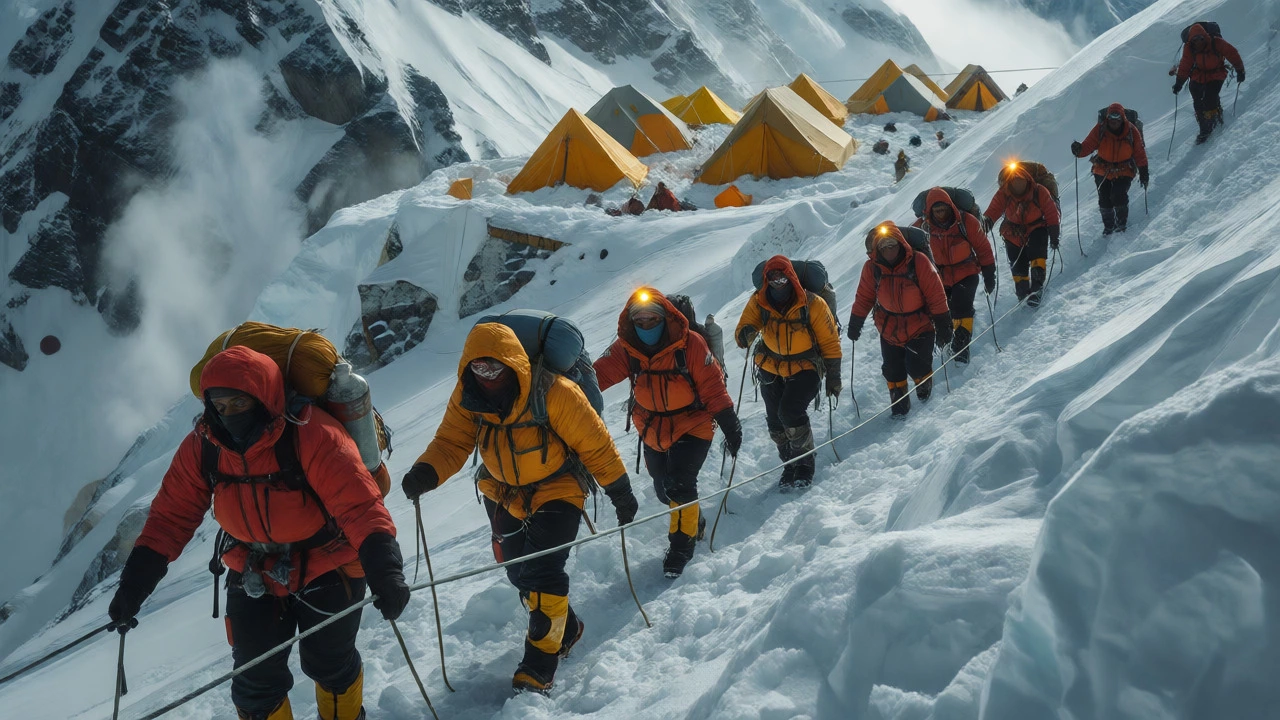
Think of Expedition Style as the logistical juggernaut of mountaineering. This is how most major peaks in the Everest region were climbed for decades. It relies on a massive infrastructure of support. Teams establish a series of camps (Base Camp, Camp I, II, III, etc.) stocked with food, fuel, and oxygen bottles. Porters, often Sherpas or local guides, ferry these supplies up and down the mountain repeatedly.
The core philosophy here is safety through redundancy and gradual acclimatization. Climbers engage in "rotation" climbs, where they ascend to a higher camp, spend a night or two, and then descend back to a lower altitude to recover. This process helps the body adapt to low oxygen levels more effectively than rapid ascents. For Indian trekkers aiming for serious 6,000-meter peaks like Kamet or Nanda Devi, this style is often mandated by permit authorities due to the complexity and risk involved.
While expensive and slow, Expedition Style offers unparalleled support. If you get sick, there’s a medic. If you run out of food, there’s a cache. It allows less experienced climbers to attempt higher altitudes under the guidance of seasoned professionals. However, it comes with environmental costs. More people mean more waste, and fixed ropes left behind can litter pristine glaciers if not managed responsibly.
Ski Mountaineering: Where Winter Sports Meet Vertical Challenges
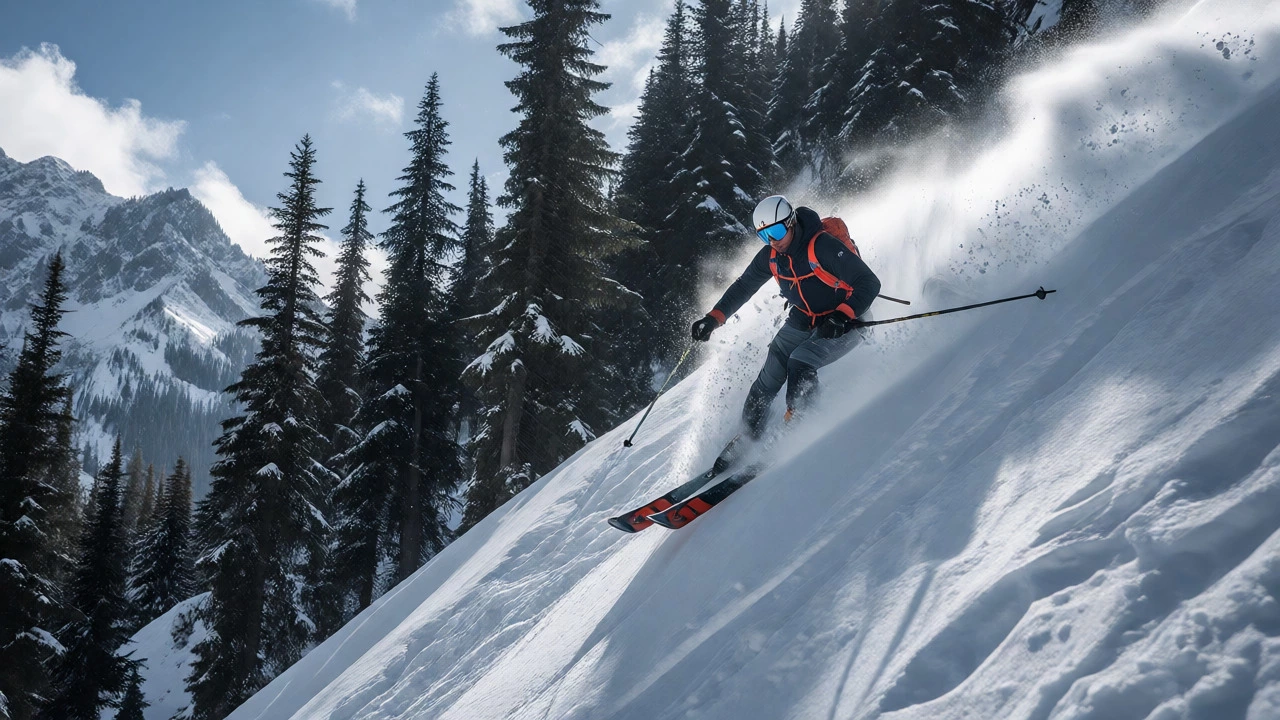
Ski Mountaineering is perhaps the most dynamic and thrilling of the three types. It combines the endurance of cross-country skiing with the technical climbing skills of alpinism. The goal isn’t just to reach the top; it’s to ski back down. This requires a unique blend of cardiovascular fitness, balance, and technical knowledge of snow conditions.
In India, this discipline is gaining traction in regions like Kashmir and Himachal Pradesh during winter months. Imagine climbing the Pir Panjal Range on foot, using crampons and ice axes for the steep sections, and then strapping on skis for a exhilarating descent. It’s physically demanding because you are working against gravity on the way up and managing high speeds on the way down. Avalanches are a constant threat, so knowledge of snow science is non-negotiable.
This style is generally faster than Expedition Style but slower than pure Alpine climbing due to the extra weight of skis and boots. It appeals to those who love the flow of movement. Unlike the static nature of sitting in a tent at Camp III, Ski Mountaineering keeps you active throughout the journey. It’s also highly dependent on seasonal snow cover, making timing critical. Too little snow, and you’re dragging skis over rocks; too much unstable snow, and you face avalanche risks.
Choosing Your Path in the Indian Context
So, which type suits you? It depends on your experience, budget, and what kind of challenge you seek. If you are new to high altitudes, starting with an organized Trekking route that incorporates elements of Expedition Style support is wise. Organizations like the Nehru Institute of Mountaineering (NIM) in Uttarkashi offer courses that teach both Alpine and Expedition techniques.
- For Beginners: Start with guided treks in the Himalayas that use fixed ropes and porter support. This lets you focus on learning basic skills without worrying about logistics.
- For Intermediate Climbers: Try Alpine Style on lower peaks (5,000-6,000m). Peaks like Hampta Pass (though technically a pass, it offers alpine challenges) or Deo Tibba provide good training grounds.
- For Advanced Enthusiasts: Consider Ski Mountaineering in Gulmarg or Alpinism on unclimbed spires in Garhwal.
Cost is another major factor. Expedition Style is significantly more expensive due to permits, salaries for support staff, and longer durations. Alpine Style reduces costs by eliminating external support, but you must invest in high-quality personal gear. Ski Mountaineering has a high upfront cost for equipment but can be cheaper per trip if you already own skiing gear.
Safety and Environmental Responsibility
Regardless of the style, safety protocols remain paramount. Weather in the mountains changes rapidly. Always check forecasts, carry emergency shelters, and know the signs of Acute Mountain Sickness (AMS). Hydration and proper nutrition are vital, especially in Expedition Style where caloric expenditure is immense.
Environmentally, the trend is shifting toward Leave No Trace principles. In recent years, cleanup drives on Everest and other major peaks have highlighted the issue of waste. As Indian mountaineers, we have a duty to protect our sacred mountains. Alpine Style naturally aligns with this ethos by minimizing impact. Even in Expedition Style, modern teams are increasingly packing out all waste, including human waste, to preserve glacier health.
What is the main difference between Alpine and Expedition style?
The main difference lies in logistics and speed. Alpine style involves moving fast and light with all gear carried by the climber, using no fixed ropes or support teams. Expedition style uses a large support team, establishes multiple stocked camps, and employs fixed ropes for safety, resulting in a slower but more supported climb.
Is Ski Mountaineering safe in the Indian Himalayas?
Yes, but it requires specific expertise. The primary risk is avalanches. Climbers must undergo training in snow science and rescue techniques. Regions like Gulmarg and Manali are popular because they have established routes and better infrastructure for ski touring compared to remote high-altitude zones.
Do I need special permits for Expedition Style climbing in India?
Yes, most peaks above 6,000 meters require permits from the Indian Mountaineering Foundation (IMF) or state tourism departments. These permits are more stringent and expensive for Expedition Style due to the larger team size and environmental impact assessments required.
Which style is best for a beginner in India?
Beginners should start with guided treks that utilize elements of Expedition Style support, such as porter-assisted gear transport and fixed camps. This allows you to gain altitude experience safely before attempting self-sufficient Alpine climbs.
How does Acute Mountain Sickness affect different styles?
Expedition Style mitigates AMS risk through gradual acclimatization rotations. Alpine Style poses a higher risk of AMS because of rapid ascent rates. Climbers using Alpine Style must monitor symptoms closely and be prepared to descend immediately if headaches or nausea occur.