Travel Tips for India: Safety, Money, Health, and Connectivity
When you’re planning a trip to India, a country with diverse cultures, climates, and challenges for travelers. Also known as the Indian subcontinent, it’s a place where preparation makes all the difference between a smooth journey and a stressful one. Whether you’re arriving from the US, Europe, or elsewhere, knowing what to expect — and what to avoid — saves time, money, and hassle.
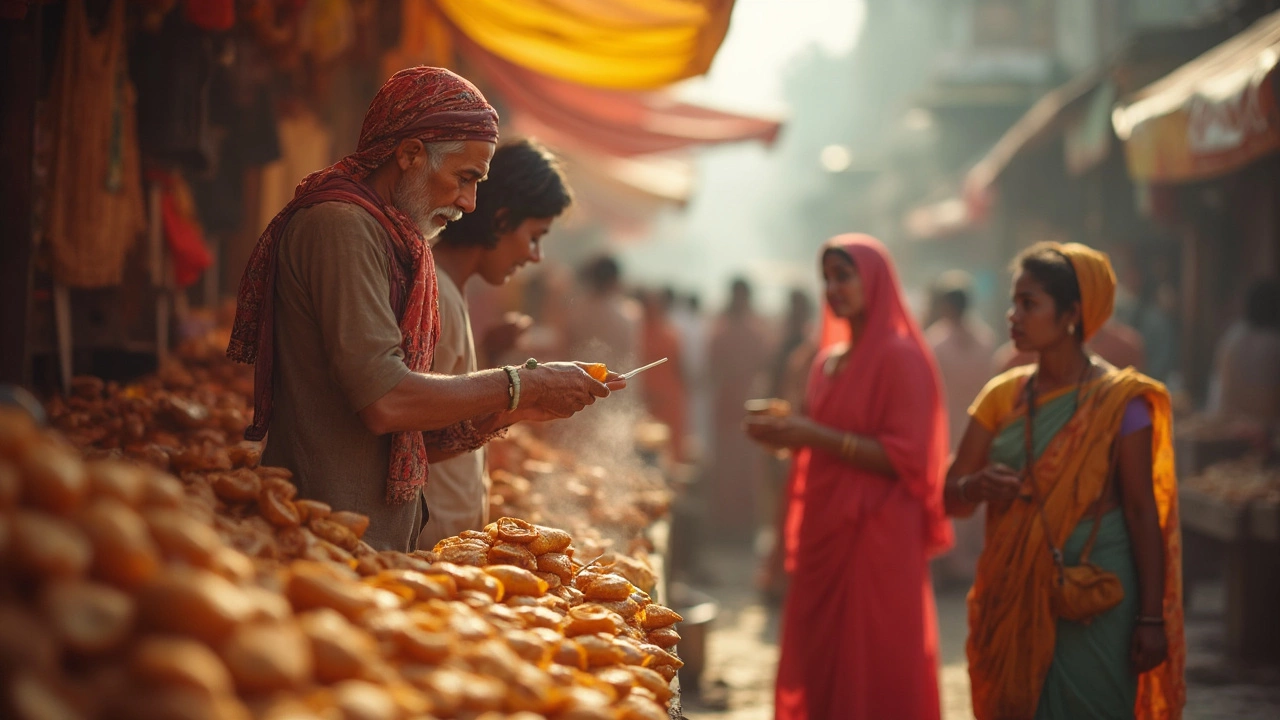
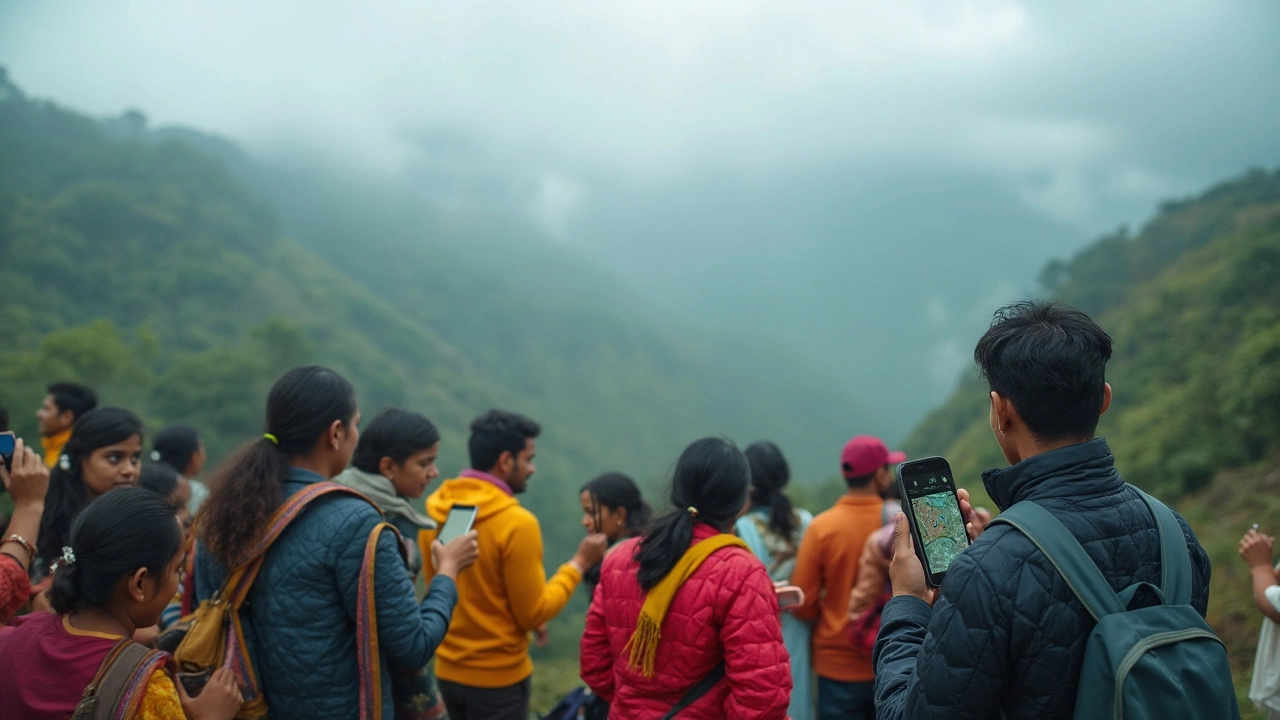
One of the biggest concerns for travelers is travel safety, the ability to move around without risk to personal security or health. For US citizens, that means understanding the latest visa rules, knowing where to exchange money, and staying clear of common health traps like Delhi belly, a term for traveler’s diarrhea caused by contaminated food or water. You don’t need to avoid street food — you just need to know which stalls locals line up for. Similarly, network coverage, the reliability of mobile signals in remote or mountainous areas can make or break your trip. If you’re heading to the Himalayas, you’ll want to know which carrier actually works at 10,000 feet.
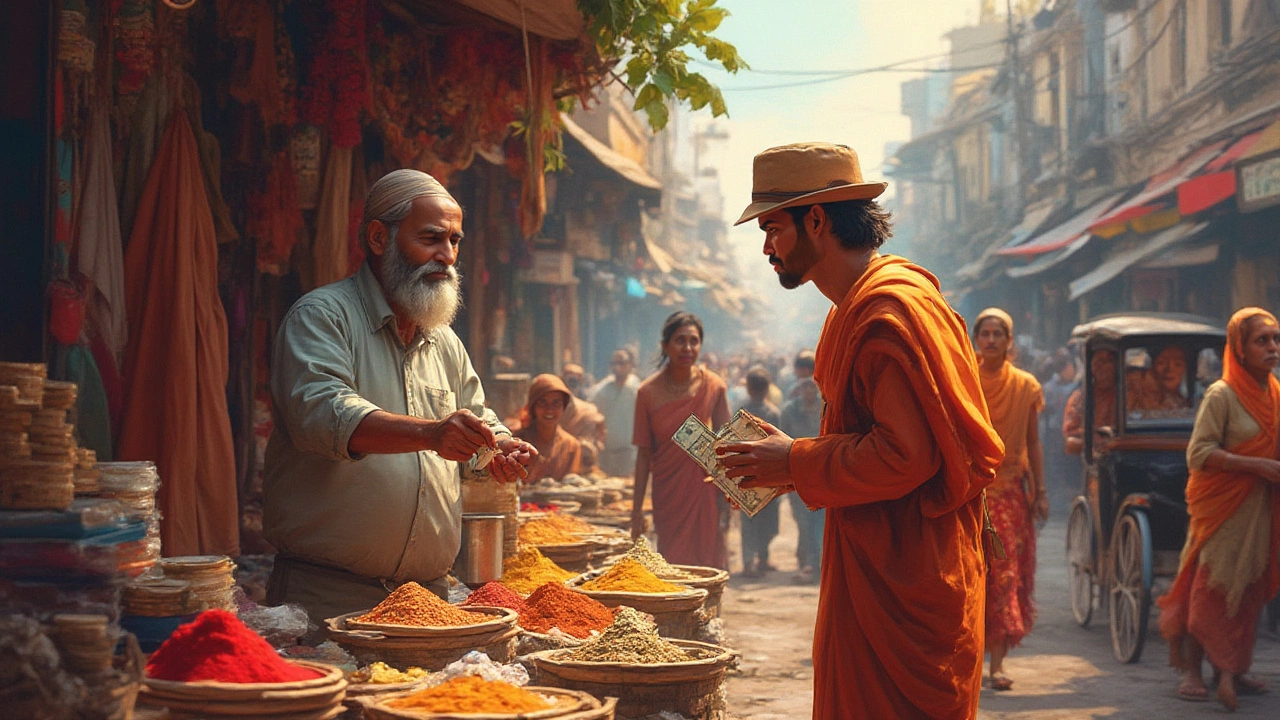
Money matters too. You can’t just walk into a shop in Jaipur and pay with US dollars — even though many tourists assume they can. The Indian rupee, the official currency of India, used everywhere from markets to luxury hotels is what you’ll need. Knowing where to get the best exchange rates and how to use ATMs safely keeps your wallet secure. And if you’re planning a honeymoon or a longer stay, budgeting isn’t guesswork. Real costs for food, transport, and accommodation vary wildly between cities like Mumbai and quiet hill towns like Munnar. A budget that works in Goa won’t stretch far in Ladakh.
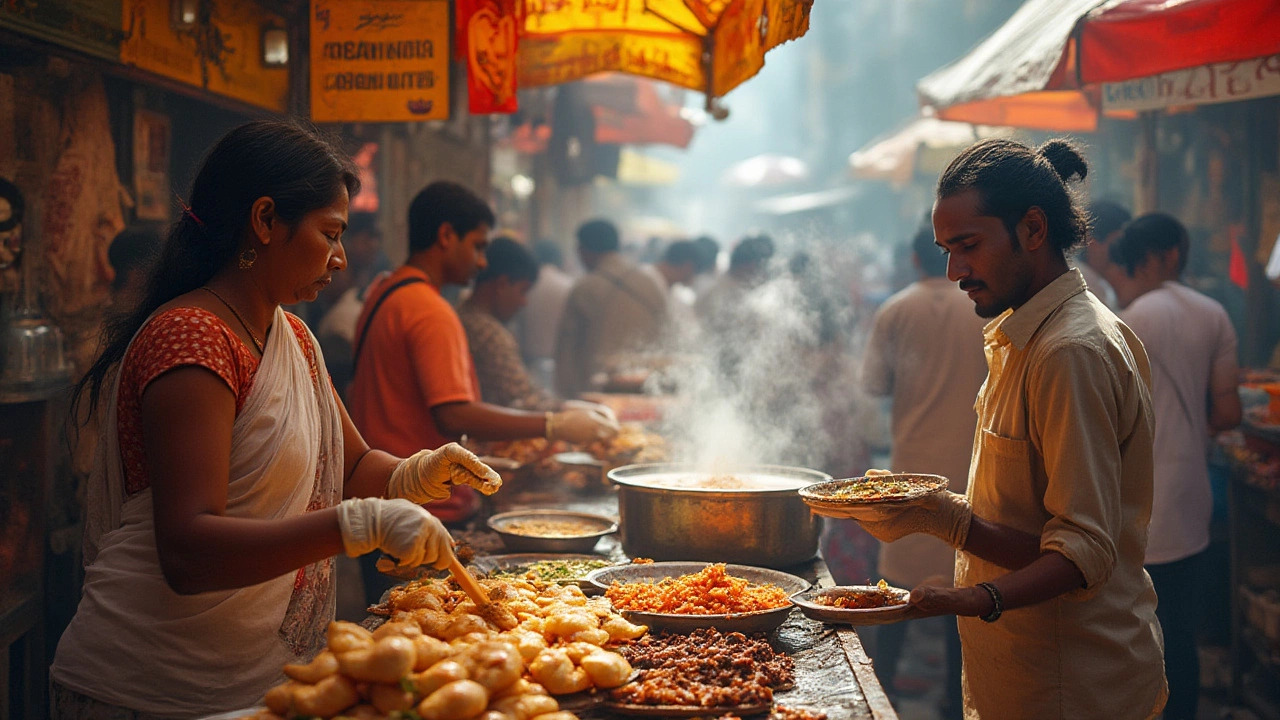
Health and safety go hand in hand. Stomach issues aren’t just bad luck — they’re often preventable. Simple habits like drinking bottled water, avoiding ice in drinks, and choosing hot, freshly cooked food cut your risk dramatically. And if you’re traveling with teens or young adults, understanding what activities are popular — and safe — helps you plan better. Sports like trekking, yoga, and even local forms of cricket are common, but knowing the mental and physical demands helps you pick the right pace.
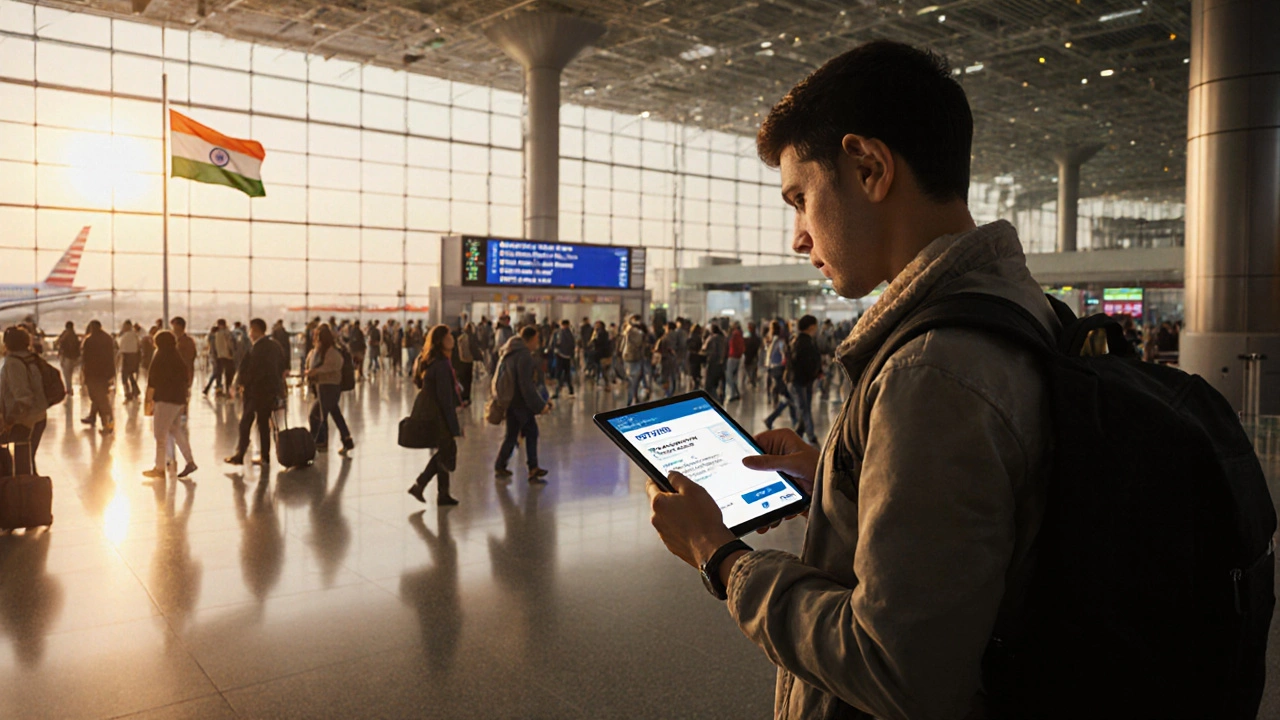
Visa processing times can throw off your plans if you wait until the last minute. For US citizens, the e-visa system is fast — but only if you submit the right documents. A missing photo or incorrect form can delay your trip by days. And while most travelers focus on big cities, the real surprises often come in the hills, where internet drops out and phone signals vanish. That’s why knowing which networks work where isn’t just useful — it’s essential.
Below, you’ll find clear, no-fluff guides on exactly what you need to know before you go. From how much cash to carry to which mobile provider gives you signal in Shimla, every article here is written by people who’ve been there, made the mistakes, and figured it out. No theory. No guesswork. Just what works.