India Coke Price Estimator
Settings
Estimated Cost
Standard street price for a 300ml bottle.
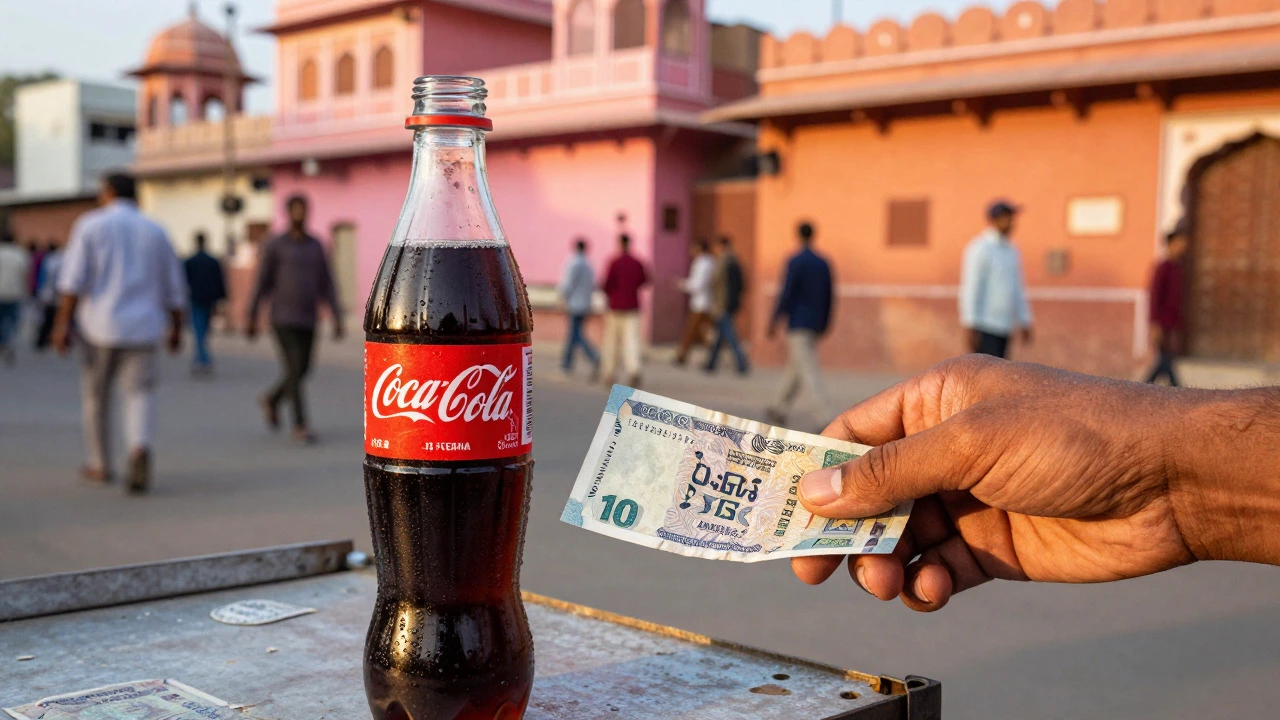
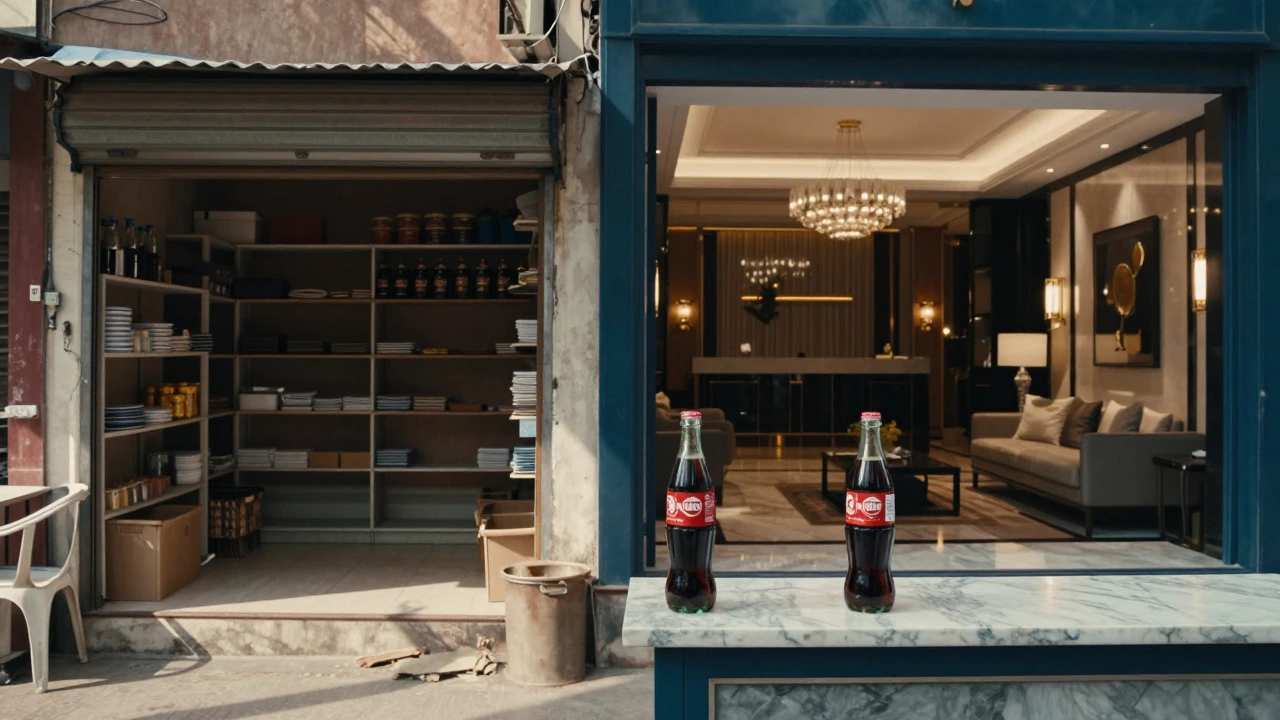
You grab a cold bottle of Coca-Cola is a globally recognized carbonated soft drink brand owned by The Coca-Cola Company at a small roadside stall in Jaipur. You hand over a crisp 10-rupee note. The vendor hands you the chilled bottle and a smile. It feels like a steal compared to what you’d pay back home. But here’s the catch: that same bottle might cost you 40 rupees just ten minutes later if you walk into an air-conditioned hotel lobby.
The question "how much is a coke in India?" isn’t just about thirst. It’s your first lesson in navigating the country’s wildly uneven pricing structure. For travelers on a budget, understanding these price swings can mean the difference between stretching your money far or watching it vanish before lunch.
The Baseline: What You’ll Pay on the Street
If you’re buying from a local kiosk, a small shop (known as a *kirana* store), or a street vendor, expect to pay between **₹10 and ₹30** for a standard 300ml plastic bottle of Coke. This is the true "street price." In smaller towns and rural areas, you might even find it for ₹10. In busy tourist hubs like Varanasi or Goa, during peak season, vendors might push this to ₹30 or ₹40, but rarely more unless they’re exploiting tourists.
This low price exists because distribution is incredibly efficient at the grassroots level. Local distributors supply thousands of tiny shops with minimal markup. When you buy here, you’re paying for the product, not the environment.
- Small Towns/Rural Areas: ₹10 - ₹15
- City Streets (Delhi, Mumbai, Bangalore): ₹20 - ₹30
- Tourist Hotspots (Goa, Rajasthan forts): ₹30 - ₹40
The Premium: Hotels, Malls, and Airports
Now, imagine you’re tired after a long train ride and step into a five-star hotel lobby in New Delhi. Or perhaps you’re rushing through Indira Gandhi International Airport before a flight. Here, the rules change completely. A single bottle of Coke can cost anywhere from **₹80 to ₹200+**.
Why such a massive jump? You’re no longer just paying for the soda. You’re paying for:
- Air Conditioning: Keeping a lobby cool in 40°C heat costs serious electricity.
- Real Estate: Rent in prime locations like Connaught Place or airport terminals is astronomical.
- Service & Convenience: You want a drink immediately, without walking to a street stall.
In luxury hotels, the price often includes a service charge and GST (Goods and Services Tax) calculated at higher rates for hospitality services. If you see a menu listing "Soft Drinks" at ₹150, don’t be shocked. That’s standard for high-end establishments.
| Venue Type | Price Range (INR) | Price Range (USD Approx.) | Best For |
|---|---|---|---|
| Street Vendor / Kirana Store | ₹10 - ₹30 | $0.12 - $0.36 | Budget travelers, locals |
| Mid-range Restaurant/Café | ₹50 - ₹80 | $0.60 - $0.95 | Sit-down meals, casual dining |
| Luxury Hotel Lobby | ₹100 - ₹200+ | $1.20 - $2.40+ | Convenience, AC comfort |
| Airport Duty-Free/Stores | ₹120 - ₹250 | $1.45 - $3.00 | Last-minute needs |
Regional Variations: Why Location Matters
India is not a monolith. Prices fluctuate based on state taxes, logistics, and local purchasing power. While the street price gap isn’t huge, it’s noticeable.
In southern states like Kerala and Karnataka, you might find slightly higher baseline prices due to stricter regulations on plastic packaging and higher operational costs for vendors. In contrast, northern states like Punjab and Haryana often have lower prices due to agricultural abundance and competitive local markets.
Also, consider the "tourist tax." Places like Ladakh, Spiti Valley, or remote parts of Kashmir have limited supply chains. A Coke there might cost ₹50-₹60 even on the street because getting it there requires trucking it up mountain roads. Always ask the price before ordering in remote areas.
Hidden Costs: Taxes and Tips
When you see a price tag in India, it usually includes GST. However, the rate varies:
- Standard GST: Most packaged beverages fall under the 18% GST slab.
- Restaurant Service Charge: In sit-down restaurants, a 10% service charge is often added automatically. This is separate from tipping.
Tipping culture is relaxed. At a street stall, you keep the change. In a mid-range restaurant, rounding up or leaving 10% is appreciated but not mandatory. In luxury hotels, tipping staff who bring your drink to your table is customary (₹20-₹50).
Smart Shopping: How to Save Money
If you’re traveling on a budget, every rupee counts. Here’s how to avoid overpaying for simple refreshments:
- Stick to Local Stores: Buy your water and sodas from *kirana* stores or supermarkets like Big Bazaar or Reliance Smart. Avoid buying drinks inside monuments, temples, or heritage sites unless necessary.
- Negotiate in Tourist Zones: In places like Old Delhi or Jaipur’s bazaars, if a vendor quotes ₹40 for a Coke, politely ask for ₹20. They’ll likely accept or meet halfway.
- Use UPI Apps: While cash is king for small transactions, using Unified Payments Interface (UPI) apps like PhonePe or Google Pay can sometimes help you track spending better and avoid carrying too much cash.
- Ask Before Ordering: In restaurants, always check the menu for drink prices. Some places list food items clearly but hide beverage costs until the bill arrives.
Alternatives: Cheaper and Healthier Options
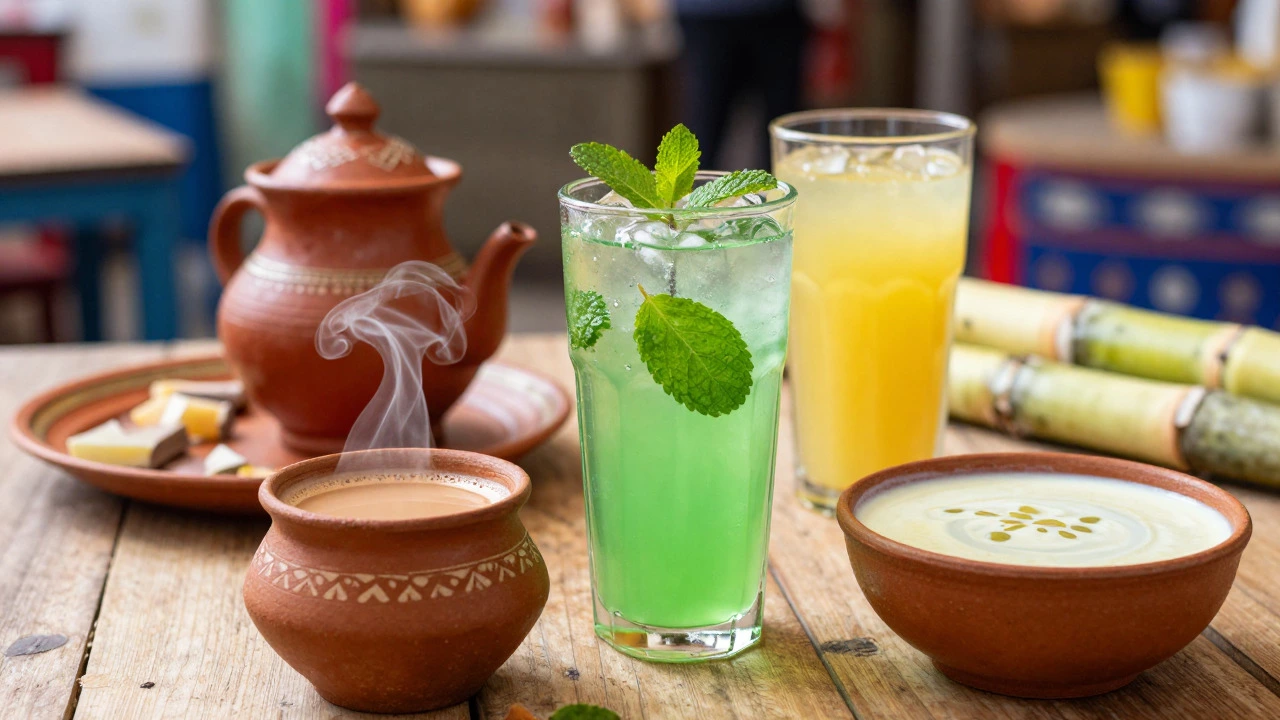
While Coke is iconic, it’s not the only option-and often not the best one for your wallet or health. India offers incredible local alternatives that are cheaper and culturally richer.
- Thandai: A cooling almond-based milk drink, popular during summer. Costs ₹20-₹40.
- Nimbu Pani (Lemonade): Freshly squeezed lemon juice with water, sugar, and salt. Hydrating and cheap (₹10-₹20).
- Masala Chai: Spiced tea. The national drink. Costs ₹5-₹15 at street stalls.
- Fresh Fruit Juices: Mango, watermelon, or sugarcane juice. Prices vary by fruit and location (₹30-₹60).
These options not only save you money but also give you a taste of local life. Plus, they’re often made with fresh ingredients, unlike mass-produced sodas.
Understanding the Currency: Rupees vs. Dollars
To put these prices in perspective, remember the exchange rate. As of mid-2026, 1 USD ≈ ₹83-85. So, a ₹30 Coke is roughly $0.35. That’s still incredibly cheap compared to Western prices. However, inflation in India has been steady, so prices rise slightly each year. Always carry small denominations (₹10, ₹20, ₹50 notes) for street purchases. Vendors often struggle to break ₹500 or ₹1000 notes for small items.
Final Thoughts: It’s About Context
So, how much is a Coke in India? The answer depends entirely on where you stand. On the street, it’s a bargain. In a hotel, it’s a luxury. Understanding this dynamic helps you navigate not just beverage costs, but the broader economic landscape of travel in India. By choosing wisely, you stretch your budget further and immerse yourself deeper in the local experience.
Is it safe to drink Coke in India?
Yes, sealed bottles of Coca-Cola are perfectly safe to drink in India. The brand maintains strict quality control standards across its bottling plants. Just ensure the seal is intact when you buy it. Avoid open dispensers unless you trust the hygiene of the establishment.
Do I need to tip the person selling me a Coke on the street?
Tipping is not expected for street vendors. If you hand them a ₹50 note for a ₹30 Coke, keeping the ₹20 change is standard practice. However, if you receive exceptional service or buy multiple items, rounding up is a nice gesture.
Why is Coke so expensive in Indian airports?
Airport prices reflect high rental costs, security fees, and convenience premiums. Airlines and airport authorities charge vendors significant fees to operate in terminal buildings. These costs are passed on to consumers. To save money, buy drinks before entering security or bring an empty reusable bottle.
Can I use credit cards to buy a Coke from a street vendor?
Most small street vendors do not accept credit cards. Cash is king for small transactions. Larger kiosks may accept UPI payments via QR codes, but having small denomination rupee notes is essential for hassle-free purchases.
Are there any regional differences in Coke availability?
Coke is widely available across urban and semi-urban India. In very remote tribal areas or high-altitude regions like parts of Ladakh or Sikkim, availability might be limited, and prices could be higher due to logistical challenges. Always check stock levels in advance if traveling off-the-beaten-path.