India Expat & Travel Matchmaker
Answer three quick questions to discover which part of India aligns with your preferences for foreigner density, community vibe, and seasonal availability.
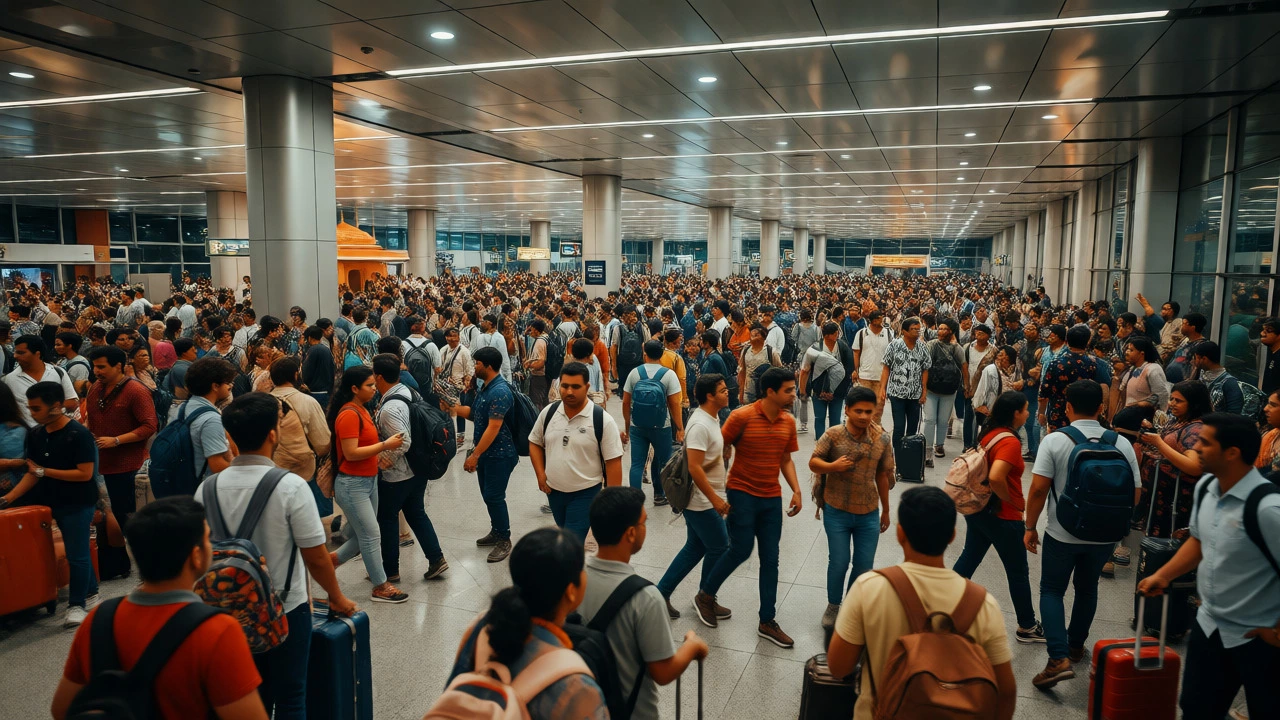
You might assume that if you want to meet the most international travelers, you should head straight to the Golden Triangle-Delhi, Agra, and Jaipur. It’s the classic first stop for almost every visitor landing in New Delhi. But here is a twist: while those cities get the highest volume of foreign tourists, they don’t necessarily have the highest *density* or the most consistent year-round presence of long-term expats and backpackers relative to their local population. If you are looking for where foreigners actually live, hang out, and spend months at a time, the answer shifts dramatically southward.
The reality of foreign presence in India is split into two distinct categories: short-term tourists who pass through major hubs, and long-term residents or slow travelers who settle into specific enclaves. Understanding this difference changes your travel strategy completely. Are you looking for bustling tourist markets where everyone speaks English? Or are you hunting for communities where yoga studios outnumber tea stalls and digital nomads work from beach cafes?
The Volume Kings: Delhi, Mumbai, and Goa
Let’s start with the raw numbers because they matter for infrastructure. According to data from the Ministry of Tourism, New Delhi consistently ranks as the primary entry point for international arrivals. The Indira Gandhi International Airport handles millions of passengers annually, funneling them toward the Taj Mahal in Agra or the palaces of Rajasthan. This creates a massive transient population. You will find foreigners everywhere in Old Delhi’s Chandni Chowk or around India Gate, but many are there for just 48 hours.
Mumbai attracts a different crowd: business travelers, Bollywood enthusiasts, and corporate expats. The presence of the stock exchange and multinational headquarters means you’ll encounter high-net-worth individuals and professionals staying in luxury hotels like the Taj Mahal Palace. However, these visitors rarely interact deeply with the city beyond their office towers and five-star dining rooms.
Then there is Goa. For decades, Goa has been synonymous with Western hippie culture, party scenes, and relaxed living. In North Goa, particularly in areas like Anjuna and Vagator, it is common to see more foreigners than locals during peak season (November to February). The state government reports that tourism accounts for a significant portion of its economy, heavily skewed by international arrivals. Yet, even Goa sees a sharp drop-off in foreign presence outside the winter months, making it seasonal rather than permanently dense.
The Southern Shift: Why Kerala and Tamil Nadu Win on Density
Here is where the narrative gets interesting. While North India gets the headlines for volume, South India often wins on retention and integration. Specifically, Kerala and Tamil Nadu have cultivated ecosystems that attract longer stays.
Kerala’s backwaters and hill stations like Munnar offer a slower pace that appeals to retirees and wellness tourists. Ayurvedic centers in places like Kumarakom draw visitors who stay for weeks undergoing treatments. Unlike the rushed itineraries of the north, Kerala encourages lingering. The literacy rate in Kerala is among the highest in India, which translates to better English proficiency in service sectors, making it easier for foreigners to navigate independently without guided tours.
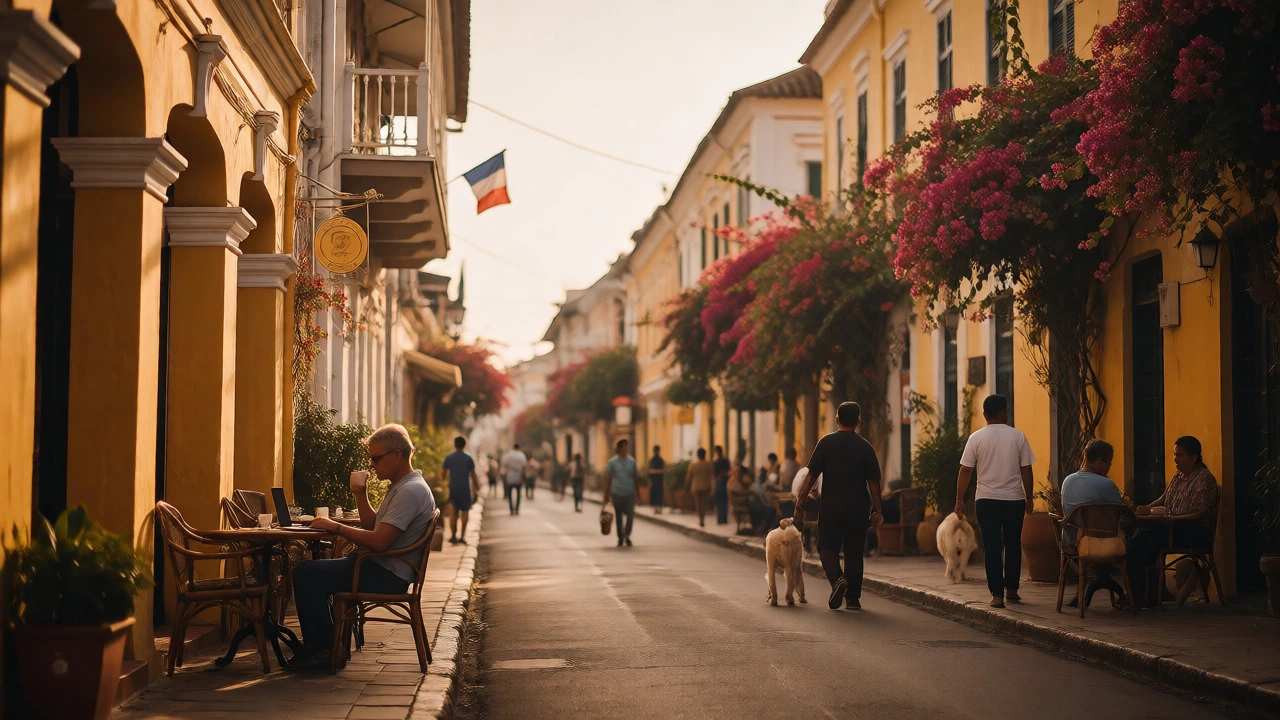
Tamil Nadu, however, holds a unique card: Pondicherry. Technically a Union Territory bordering Tamil Nadu, Pondicherry was a French colony until 1954. Today, it functions as a de facto extension of southern France within India. The White Town area features colonial villas converted into boutique hotels, cafes serving croissants alongside idlis, and streets where French is spoken as commonly as Tamil. Many foreigners do not visit Pondicherry; they move there. There is a substantial community of European expats, particularly French nationals, who reside year-round. This creates a permanent foreign footprint that transcends seasonal tourism spikes.
Why Pondicherry Feels Different
Walk through Rue Romain Rolland in Pondicherry, and you aren’t just seeing tourists taking photos. You’re seeing people grocery shopping, walking dogs, and working on laptops. The visa regulations allow many Europeans to stay for extended periods, and the cost of living is significantly lower than in Europe. This economic arbitrage fuels a steady influx of long-term residents. Compare this to Agra, where the foreign presence vanishes once the tour bus leaves.
The Himalayan Enclave: McLeod Ganj and Dharamshala
We cannot ignore the northern outlier that rivals the south for community depth: Dharamshala, specifically the suburb of McLeod Ganj. Home to the Tibetan government-in-exile and the Dalai Lama, this region has attracted a global spiritual community since the 1960s.
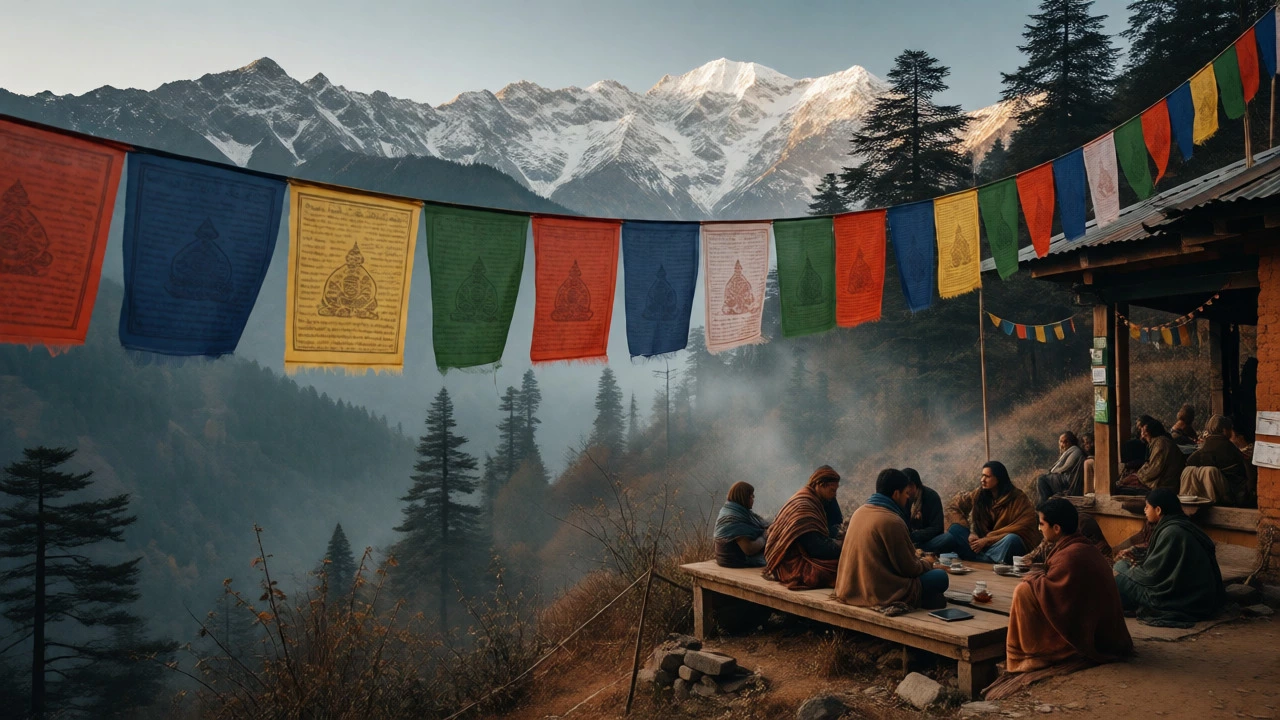
McLeod Ganj isn’t just a tourist spot; it’s a hub for meditation teachers, writers, and digital nomads seeking altitude and tranquility. During the summer months, the population swells with students attending Tibetan language courses or Vipassana retreats. While it doesn’t match the sheer numbers of Goa, the ratio of foreigners to locals is exceptionally high. You can walk down the main bazaar and hear German, Hebrew, Japanese, and Russian more frequently than Hindi. It represents a niche but intense concentration of international presence.
Comparing the Hotspots: Where Should You Go?
To help you decide where to base yourself, we’ve broken down the key metrics for the top contenders. Note that "Foreigner Presence" refers to both visible tourists and resident expats.
| Destination | Primary Visitor Type | Seasonality | Community Depth | Best For |
|---|---|---|---|---|
| Delhi/Agra/Jaipur | Short-term Tourists | High (Oct-Mar) | Low (Transient) | History & Monuments |
| Goa | Party-goers & Beach Bums | Very High (Nov-Feb) | Medium (Seasonal Expats) | Nightlife & Relaxation |
| Pondicherry | Long-term Residents & Wellness Seekers | Low (Year-round) | High (Permanent Community) | Cafes, Yoga, Slow Travel |
| McLeod Ganj | Spiritual Seekers & Nomads | Medium (Summer/Winter) | High (Niche Community) | Meditation & Mountains |
| Bengaluru | Tech Professionals & Business | Low (Year-round) | Medium (Corporate Expat) | Careers & Urban Lifestyle |
The Role of Infrastructure and Connectivity
Why does the south feel more welcoming to long-term stays? It comes down to infrastructure tailored to international expectations. Cities like Bengaluru (Bangalore) have a thriving tech scene that naturally imports talent from Silicon Valley, London, and Singapore. These expats bring their families, creating schools, international clubs, and western-style supermarkets. While Bengaluru isn’t a "tourist" destination in the traditional sense, its foreign population is stable and growing.
In contrast, while North India has improved connectivity, the cultural shock factor remains higher for long-term adaptation. The heat, dust, and chaotic traffic in Delhi can be overwhelming for someone trying to settle in for six months. The coastal climates of Goa and Kerala, along with the moderate weather of Pondicherry, offer physical comfort that encourages staying put. Air conditioning is standard in southern hospitality venues, whereas in some budget options elsewhere, it might still be an upgrade.
Hidden Gems with Surprising Foreigner Counts
If you want to avoid the obvious crowds but still find company, look at Varkala in Kerala. Once a sleepy fishing village, it has exploded into a backpacker hotspot. Cliffs overlooking the Arabian Sea are lined with cafes offering Wi-Fi, vegetarian food, and sunset views. It’s become a favorite for Israeli and Australian travelers who prefer bohemian vibes over Goa’s commercialized parties.
Similarly, Hampi in Karnataka attracts a specific type of traveler: history buffs and hippies drawn to the ruins of the Vijayanagara Empire. The vibe is rustic and artistic. Foreigners here often rent simple huts and stay for weeks, painting or studying archaeology. It’s less about luxury and more about immersion.
Practical Tips for Finding Your Tribe
Knowing where the foreigners are helps you plan your logistics. Here is how to leverage this information:
- Language Barrier: In Pondicherry, Goa, and major tourist hubs, English is widely understood. In rural Tamil Nadu or deeper parts of Rajasthan, knowing basic Hindi or Tamil helps, but you won’t need it for survival in the expat zones.
- Visa Strategy: If you plan to stay longer than three months, consider countries like Portugal or France citizens who have specific bilateral agreements allowing longer visas. Check current e-Tourist Visa rules as they change frequently.
- Accommodation: Look for "homestays" in Kerala and Pondicherry rather than just hotels. Homestay hosts are often experienced in dealing with international guests and can provide local insights that guidebooks miss.
- Networking: Use apps like Meetup or Facebook groups specific to "Expats in [City Name]". In Bengaluru and Pune, these groups organize regular networking events, hiking trips, and dinner gatherings.
Final Thoughts: Quality Over Quantity
So, which part of India has the most foreigners? If you count heads passing through airports, it’s Delhi. If you count bodies sunbathing in January, it’s Goa. But if you ask where foreigners actually *live*, integrate, and build lives, the answer points firmly to the South-specifically Pondicherry and Kerala-and the specialized enclaves of McLeod Ganj and Bengaluru.
Your choice depends on what kind of interaction you seek. Do you want the energy of millions of transient visitors exploring ancient wonders? Head North. Do you want to sit in a cafe, learn yoga, and chat with someone from Lyon or Tel Aviv who has lived there for five years? Head South. The map of foreign presence in India is not uniform; it’s a series of vibrant islands connected by flight paths and shared experiences.
Which city in India has the largest expat community?
Bengaluru typically hosts the largest professional expat community due to its IT sector, followed closely by Mumbai for corporate roles. However, for lifestyle expats and retirees, Pondicherry and Goa have larger relative concentrations.
Is it safe for solo female travelers in these high-foreigner areas?
Yes, areas like Goa, Pondicherry, and McLeod Ganj are generally considered safer for solo female travelers compared to remote regions. They have established support networks, well-lit tourist zones, and businesses accustomed to international norms. Standard precautions still apply.
Do I need a special visa to stay long-term in Pondicherry?
No, Pondicherry is part of India, so standard Indian visa rules apply. However, many nationalities qualify for e-Tourist Visas that can be extended twice. Always check the latest guidelines from the Bureau of Immigration before planning a stay longer than 90 days.
Why is Kerala popular among foreign tourists?
Kerala offers a combination of natural beauty (backwaters, beaches, hills), Ayurvedic wellness tourism, high literacy rates ensuring good communication, and a relatively peaceful environment. It appeals to those seeking relaxation and health-focused vacations.
Are prices higher in areas with many foreigners?
Generally, yes. In hotspots like North Goa or White Town in Pondicherry, accommodation and dining costs are marked up to cater to international budgets. Moving slightly away from the main tourist strips can reduce costs significantly while retaining access to amenities.