Indian Identity Explorer
Understanding the difference between who you are legally (Nationality) and where your roots lie (Ethnicity) is crucial for navigating India. Use this tool to see how these identities impact your travel experience.
Legal & Practical Status
Social Interaction Tip
Key Takeaway
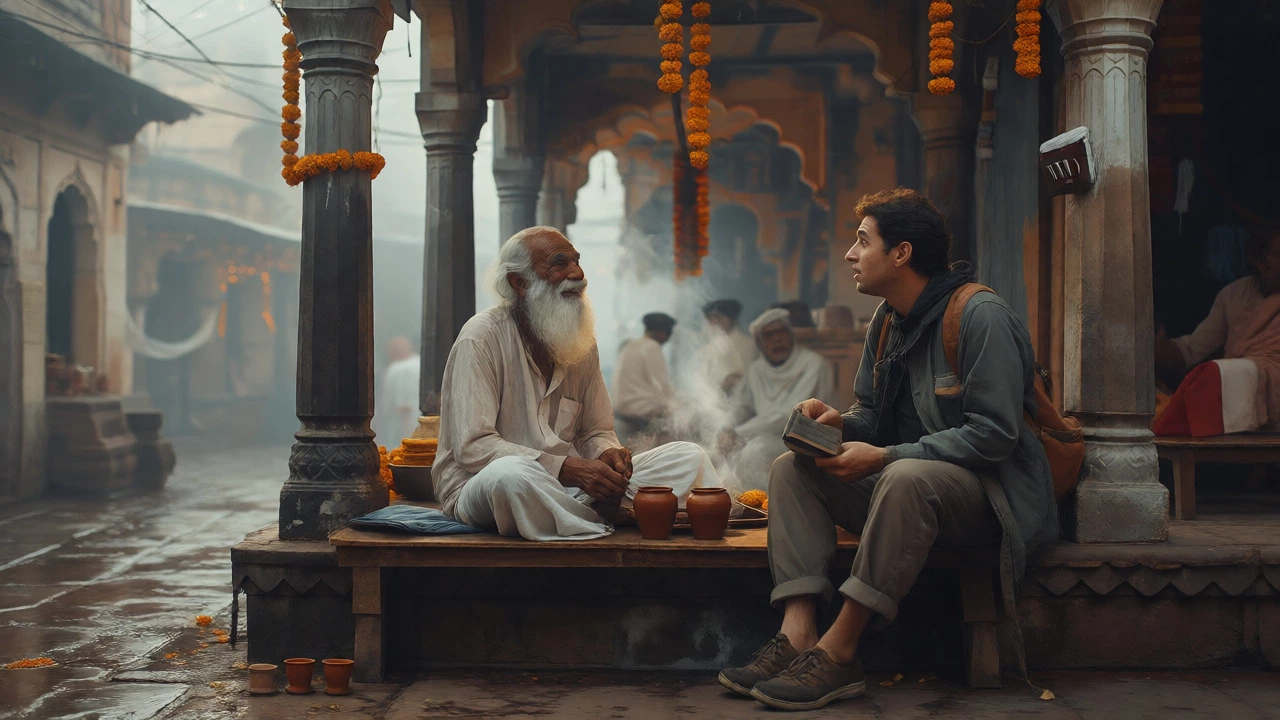
You’re sitting in a chai stall in Varanasi. The air smells of wet earth and marigolds. An elderly man with a thick white beard looks at you and asks, "Which state are you from?" You smile, confused. You’re from the UK. He laughs, assuming you mean which part of India is your home. This moment captures the core confusion many travelers face: Is being Indian an ethnicity or a nationality? The answer isn’t a simple yes or no. It’s a messy, beautiful web of history, law, and culture that defines one of the world’s most diverse nations.
| Feature | Indian Nationality | Indian Ethnicity |
|---|---|---|
| Definition | Legal citizenship status granted by the Government of India. | Cultural, linguistic, and ancestral heritage tied to specific regions. |
| Scope | Includes all citizens regardless of background (e.g., a person from Kerala and a person from Punjab). | Specific groups like Tamil, Punjabi, Bengali, Marathi, etc. |
| Changeability | Can be acquired through birth, descent, registration, or naturalization. | Inherited; cannot be legally changed, though it can be adopted culturally. |
| Travel Impact | Determines visa requirements and passport validity. | Influences local interactions, food preferences, and regional festivals. |
The Legal Reality of Indian Nationality
Let’s start with the hard facts. Indian Nationality is strictly a legal concept defined by the Constitution of India and the Citizenship Act of 1955. If you hold an Indian passport, you are an Indian national. Period. This status grants you rights within the country and protection abroad. But here’s where it gets tricky for tourists: India does not recognize dual citizenship. If you become an Indian citizen, you must renounce your previous passport. However, they do offer the Overseas Citizen of India (OCI) card, which acts as a quasi-citizenship for people of Indian origin living abroad. This distinction matters when you’re booking trains or checking into hotels. Your nationality determines if you pay the foreign tourist rate or the domestic rate. For a traveler, this is the first practical hurdle. You aren’t judged by your skin color but by the stamp in your passport.
Ethnicity: The Cultural Mosaic
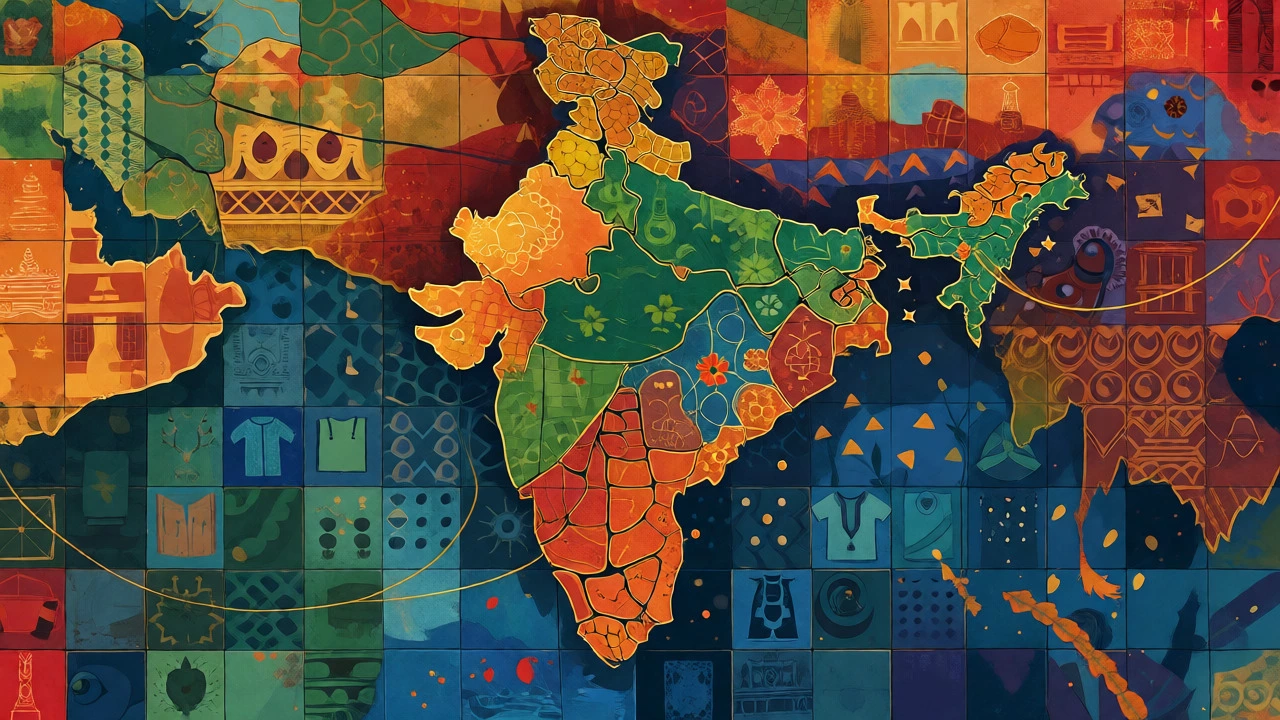
If nationality is the container, ethnicity is the content inside. Indian Ethnicity refers to the distinct cultural, linguistic, and ancestral identities found across the subcontinent. Think of it as a massive mosaic made of thousands of tiles. There is no single "Indian look." A person from Kashmir might have features similar to Central Asians, while someone from Tamil Nadu may share genetic markers with Southeast Asians. When locals ask about your ethnicity, they aren’t asking for your passport details. They want to know your language, your cuisine, and your customs. In Cultural Tourism India, understanding this helps you connect better. If you tell a host in Rajasthan you love spicy food, they assume you understand Rajasthani cuisine. If you clarify you’re British-Asian, they might switch languages or adjust their hospitality style. Ethnicity dictates how you are perceived socially, even if your nationality is foreign.
The Diaspora Dilemma
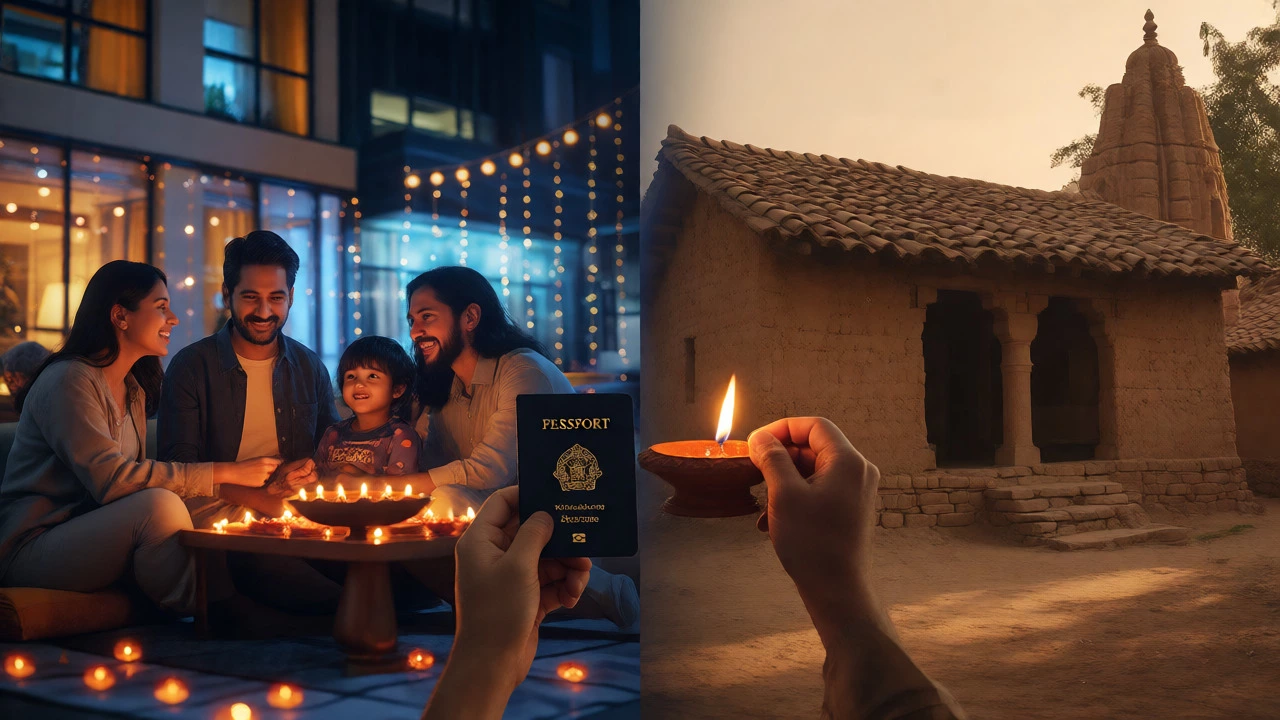
This question becomes urgent for the millions of people of Indian origin living outside India. Are they Indian? Legally, often no. Culturally, absolutely. Take the community in Leicester, UK, or New Jersey, USA. They celebrate Diwali and Holi with the same fervor as those in Delhi. Yet, if they visit India, they are treated as Non-Resident Indians (NRIs). This creates a unique travel experience. NRIs often navigate a hybrid space. They speak the language but miss the slang. They know the rituals but forget the nuances. For travelers exploring their roots, this disconnect can be jarring. You might feel more "at home" in a small village in Bihar than in Mumbai, despite holding a British passport. Your ethnicity pulls you toward specific regions, while your nationality keeps you on the outside looking in.
Navigating Social Interactions
How does this affect your daily travels? Quite a bit. In urban centers like Bangalore or Hyderabad, people are used to global mobility. They won’t blink if you say you’re American. But in rural areas, the line between ethnicity and nationality blurs. If you have South Asian features, locals will assume you are Indian. They will expect you to negotiate prices in Hindi. They will invite you to family weddings. Refusing these invitations because "I’m just a tourist" can seem rude. Instead, lean into the curiosity. Explain that you are exploring your heritage. This shifts the dynamic from suspicion to pride. Locals love sharing their culture with someone who claims a connection to it. Use phrases like "I am visiting my ancestral home" rather than "I am a foreigner." It bridges the gap instantly.
Regional Identities Over National Ones
Here is a secret few travel guides tell you: Most Indians identify with their state before their nation. Ask someone their identity, and they’ll say "Tamil," "Bengali," or "Gujarati" long before they say "Indian." Nationality is a political construct created in 1947. Ethnicity is ancient. This means Travel Etiquette in India requires respect for regional distinctions. Do not lump all North Indians together. Punjabis and Kashmiris have vastly different cultures. Similarly, do not treat South India as a monolith. The culture in Kerala differs sharply from Karnataka. When you acknowledge these ethnic nuances, you earn respect. A simple "Namaste" works everywhere, but using the correct local greeting-like "Vanakkam" in Tamil Nadu-shows you understand the depth of Indian diversity. It signals that you see them as individuals, not just representatives of a single "Indian" stereotype.
Practical Tips for Cultural Tourists
Ready to put this into practice? Here is how to handle the identity question during your trip:
- Know Your Passport Status: Always carry ID. If you are NRI, keep your OCI card handy. It speeds up security checks and proves your connection.
- Learn Basic Local Phrases: Even three words in the local language go a long way. It shows effort and respect for the ethnic context.
- Ask About Food Origins: Instead of asking "Is this Indian food?", ask "Which region is this dish from?" This opens conversations about culinary heritage.
- Respect Dress Codes: Ethnic norms vary. What is acceptable in Goa might be too revealing in Varanasi. Observe and adapt.
- Don’t Assume Uniformity: Never assume all Indians eat curry or worship the same deities. Diversity is the rule, not the exception.
Frequently Asked Questions
Can I claim Indian ethnicity without having Indian nationality?
Yes, absolutely. Ethnicity is based on ancestry and cultural heritage, not legal status. Many people worldwide have Indian ethnic roots but hold passports from other countries. In cultural tourism, acknowledging this heritage often leads to warmer receptions from locals who appreciate the connection to their culture.
Why do locals assume I am Indian if I have brown skin?
Physical appearance is often conflated with ethnicity in India. Since the majority of the population shares similar phenotypic traits, anyone with South Asian features is frequently assumed to be a local or a diaspora member. This is rarely malicious; it is usually a sign of inclusivity. Clarifying your nationality politely resolves any confusion regarding language or payment expectations.
Does Indian nationality require me to follow Hindu customs?
No. India is a secular republic. Indian nationality includes Muslims, Christians, Sikhs, Buddhists, Jains, and Parsis, among others. While Hinduism is the majority religion, cultural practices vary widely by region and community. As a traveler, you should respect local religious sites regardless of your personal faith or ethnicity.
What is the difference between NRI and PIO status?
NRI stands for Non-Resident Indian, referring to Indian citizens living abroad for work or study. PIO (Person of Indian Origin) was a former category for people of Indian ancestry who held foreign passports. The PIO card has been merged into the OCI (Overseas Citizen of India) scheme. Both statuses allow easier travel and investment rights in India compared to standard foreign nationals.
How does ethnicity affect travel costs in India?
Ethnicity itself doesn’t change prices, but nationality does. Foreign nationals pay higher rates for monuments and museums. However, if you present yourself as an NRI or OCI holder, some private tour operators or hotels may offer discounts or preferential treatment due to your perceived cultural connection. Always check eligibility for domestic rates if you hold valid Indian residency documents.