South India Trip Planner
Select the primary vibe you are looking for. This helps us narrow down the best states.
Estimate your daily spending per person in USD.
Budget Breakdown Guide
- Budget ($20-$50): Hostels, street food, local buses.
- Mid-Range ($50-$150): 3-star hotels, restaurants, private taxis.
- Luxury ($150+): Resorts, fine dining, chauffeur-driven cars.
Your Recommended Plan
Weather Alert
Transport Strategy
Packing Checklist Essentials
Most people make the mistake of treating South India as a single destination. It’s not. It’s five distinct states-Kerala, Tamil Nadu, Karnataka, Andhra Pradesh, and Telangana-each with its own climate, food culture, and logistical rhythm. Trying to see everything in ten days usually results in exhaustion and jet lag that lasts longer than the holiday itself.
You need a strategy. Are you chasing backwaters or ancient temples? Do you want misty hill stations or humid coastal beaches? The answer dictates your route, your budget, and even what you pack. Here is how to build a trip that actually works, without the headache of over-planning.
Choosing Your States Based on Interest
Before you book a flight, pick one or two states. Trying to cover all five in under three weeks is a recipe for spending more time in transit than experiencing anything. Here is a quick breakdown to help you decide:
| State | Best For | Key Hubs | Travel Vibe |
|---|---|---|---|
| Kerala | Backwaters, Ayurveda, Houseboats | Kochi, Munnar, Alleppey | Laid-back, lush, high humidity |
| Tamil Nadu | Dravidian Temples, Hill Stations | Chennai, Madurai, Ooty | Cultural, hot, spiritually rich |
| Karnataka | Ruins, Coffee Plantations, Wildlife | Bengaluru, Hampi, Coorg | Mixed urban/nature, moderate climate |
| Goa | Beaches, Nightlife, Portuguese Heritage | North Goa, South Goa | Party-focused or serene retreats |
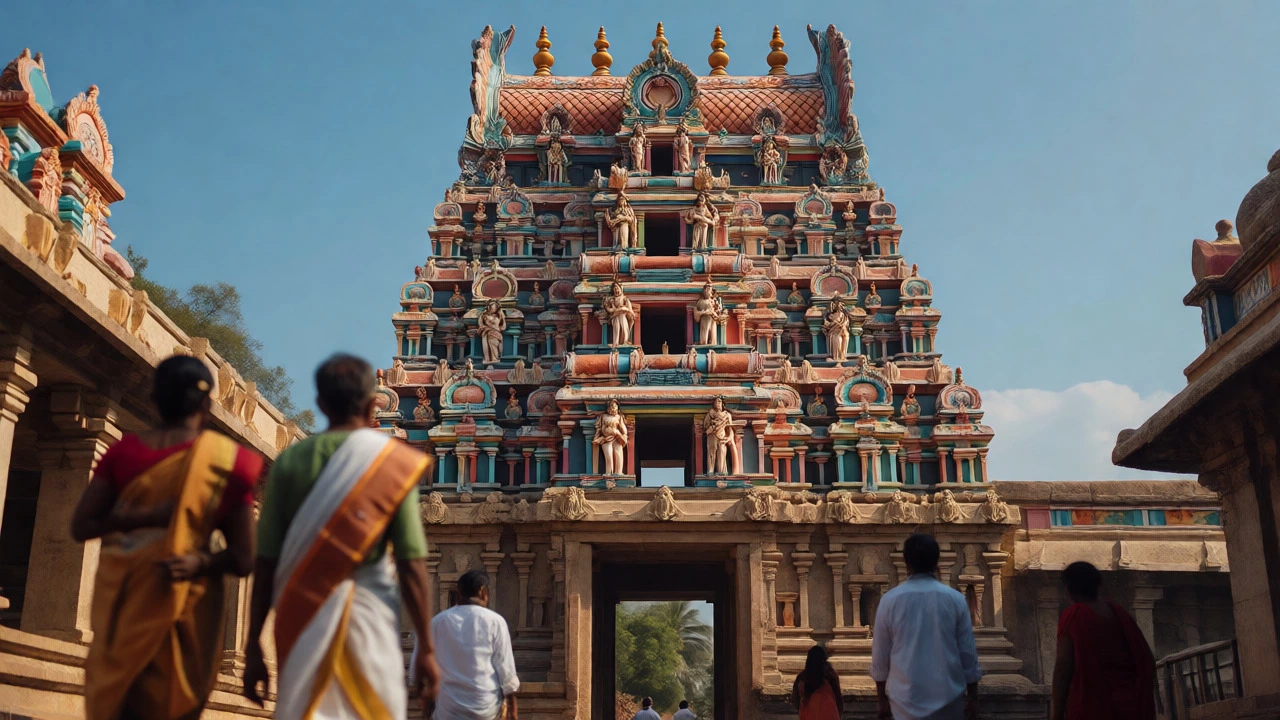
If it’s your first time, Kerala is often the easiest entry point. The infrastructure for tourists is robust, English is widely spoken in hospitality sectors, and the distances between major sites like Kochi and Munnar are manageable by road. If you love history, start in Tamil Nadu. The temple complexes in Thanjavur and Madurai are UNESCO World Heritage sites that require slow, respectful exploration. You can’t rush a temple tour; the architecture demands attention to detail.
Nailing the Timing: Weather Matters More Than You Think
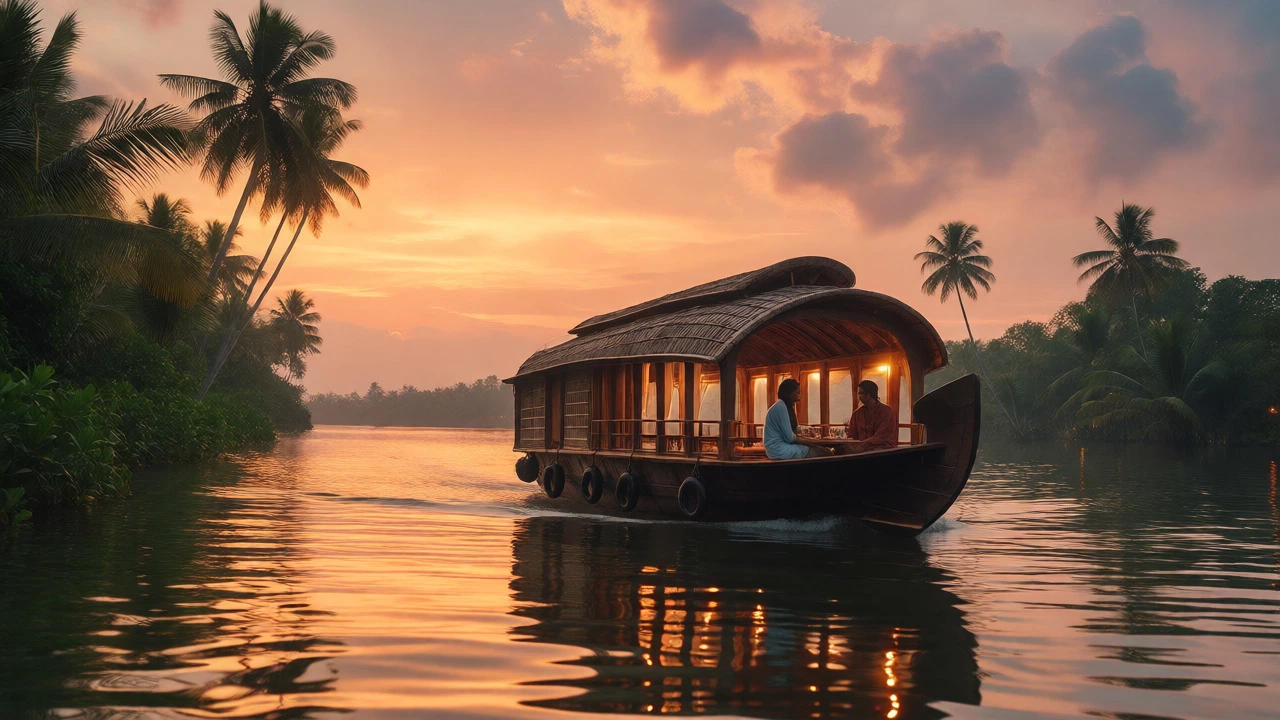
South India doesn’t have four seasons; it has wet, dry, and "please don't go there" seasons. The monsoon is the biggest variable. The Southwest Monsoon hits Kerala and Karnataka from June to September. This isn't just rain; it's a deluge that floods roads, cancels houseboat cruises in Alleppey, and makes trekking in the Western Ghats dangerous.
The sweet spot for most travelers is October to March. The weather is dry, temperatures hover around 25-30°C (77-86°F), and the landscape is still green from the previous rains. However, be aware of the Northeast Monsoon, which affects Tamil Nadu and parts of Andhra Pradesh from October to December. Chennai might get heavy showers during this time, while Kerala remains pleasant.
- October - February: Ideal for Kerala, Karnataka, and Goa. Dry, cool evenings, perfect for sightseeing.
- March - May: Hot and humid. Great for hill stations like Ooty or Kodaikanal, but brutal for coastal cities like Chennai or Trivandrum.
- June - September: Monsoon season. Best for Ayurvedic treatments in Kerala (the humidity opens pores) or if you enjoy dramatic rainstorms and empty tourist spots. Avoid houseboats in peak July/August due to water levels.
Transportation: Flights vs. Trains vs. Roads
Indian rail networks are extensive, but booking tickets requires patience. The Indian Railways system uses a quota system that fills up months in advance. If you’re planning to take the train from Chennai to Madurai, book at least 120 days ahead. Last-minute tickets are rare unless you use the Tatkal quota, which costs significantly more and opens only one day prior.
For shorter hops, flights are surprisingly affordable. Airlines like IndiGo and SpiceJet connect hubs like Bengaluru, Kochi, and Hyderabad frequently. A flight from Bengaluru to Kochi takes an hour; the train takes six. Factor in airport security and travel to/from airports, though. Sometimes, the train is faster door-to-door.
Hiring a driver is the most stress-free option for multi-state trips. In Kerala and Tamil Nadu, drivers know the shortcuts, handle toll payments, and navigate chaotic traffic better than any GPS. Expect to pay ₹3,000-₹4,500 ($35-$55 USD) per day for a sedan with fuel included. Negotiate the rate upfront and clarify if meals and accommodation for the driver are included. Usually, they are not.
Budgeting Realistically: What Does It Actually Cost?
South India is cheaper than North India, but luxury options exist everywhere. Don’t assume you’ll spend $20 a day. That was true in 2015. Today, mid-range comfort costs more.
| Category | Budget Backpacker | Mid-Range Comfort | Luxury Experience |
|---|---|---|---|
| Accommodation | $15-$25 (Hostels/Guesthouses) | $50-$90 (3-Star Hotels) | $150+ (Resorts/Boutique) |
| Food | $5-$10 (Street food/Thalis) | $15-$25 (Restaurants) | $40+ (Fine Dining) |
| Transport | $5-$10 (Local buses/Rickshaws) | $20-$40 (Private Car/Taxis) | $60+ (Chauffeur/Flights) |
| Activities | $5 (Temple entries/Walks) | $20 (Boat rides/Museums) | $100+ (Ayurveda/Private Tours) |
Note that alcohol prices vary wildly. Kerala has high taxes on alcohol, making beer expensive compared to neighboring states. If you plan on drinking, budget accordingly or buy from government liquor shops rather than restaurants.
Food Culture: Beyond Dosas and Idlis
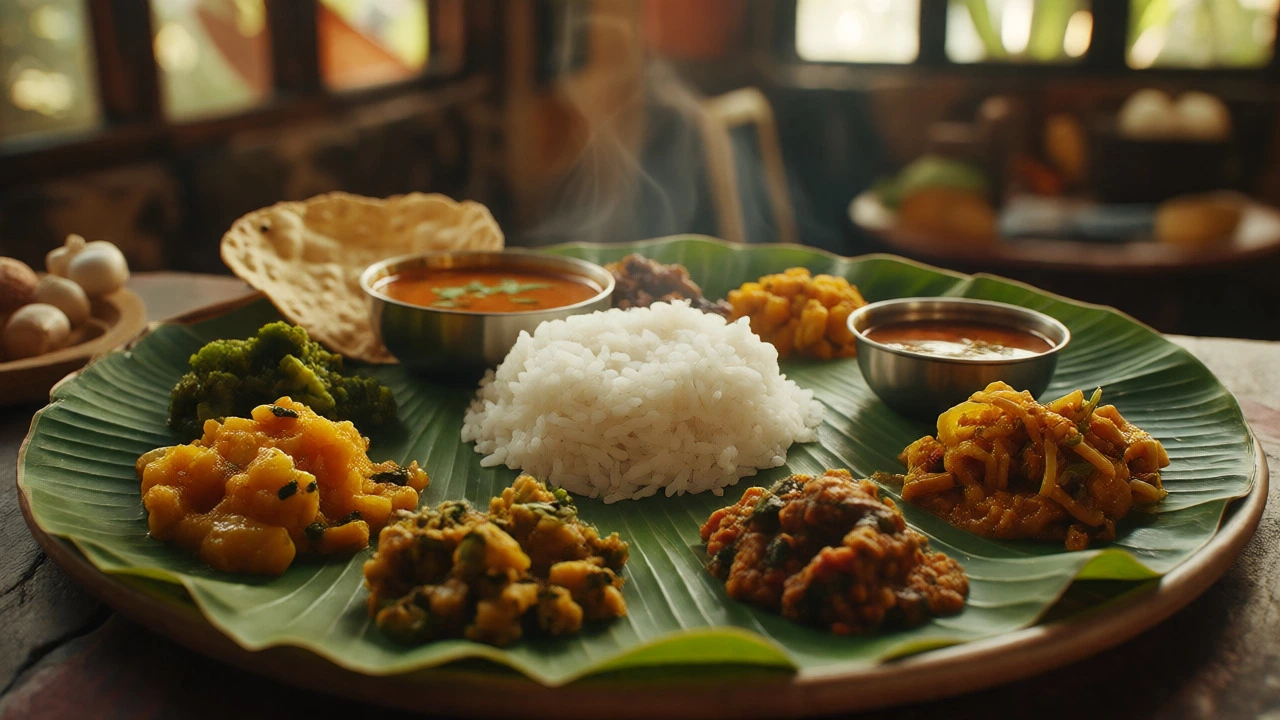
Yes, you will eat dosas. But South Indian cuisine is regionally diverse. In Kerala, expect coconut-heavy curries and seafood prepared with local spices like black pepper and cardamom. Tamil Nadu offers fiery Chettinad cuisine, known for its complex spice blends. Karnataka brings Bisi Bele Bath (a spicy rice-lentil dish) and filter coffee.
Vegetarians have a paradise here. Most hotels offer unlimited vegetarian thalis for $3-$5. Non-vegetarians should try Karimeen Pollichathu (pearl spot fish wrapped in banana leaf) in Kerala. One tip: avoid street food if you have a sensitive stomach. Stick to busy stalls where turnover is high, ensuring fresh ingredients. Bottled water is non-negotiable. Tap water in many areas is safe after boiling, but buying sealed bottles prevents unexpected tummy issues that derail your itinerary.
Cultural Etiquette and Temple Rules
Temples are living religious sites, not museums. Dress codes are strict. Men must remove shirts in some traditional temples (like Padmanabhaswamy in Thiruvananthapuram). Women should wear saris or long skirts; trousers are often discouraged in inner sanctums. Shoulders and knees must be covered everywhere.
Photography inside temple complexes is often prohibited. Look for signs before raising your camera. Also, be mindful of caste dynamics in rural areas, though urban centers are largely egalitarian. Learning a few words in the local language goes a long way. In Tamil, "Vanakkam" is hello. In Malayalam, "Namaskaram" works. Locals appreciate the effort, and it often leads to better service or insider tips.
Packing Essentials for the Climate
Pack light. Laundry services are cheap and fast. You can wash clothes overnight for less than $1 in most guesthouses. Bring breathable fabrics like cotton and linen. Synthetic materials will trap sweat in the humidity.
- Footwear: Slip-on sandals are essential for temple visits. You’ll take them off constantly. Comfortable walking shoes are needed for ruins like Hampi.
- Insect Repellent: Dengue and malaria risks exist, especially near backwaters. Use DEET-based repellents at dusk.
- Power Bank: Power cuts happen, especially in rural areas or during storms. Keep devices charged.
- Universal Adapter: India uses Type C, D, and M plugs. A universal adapter covers all bases.
Health and Safety Tips
South India is generally safe for solo female travelers, but standard precautions apply. Avoid isolated areas at night. Use registered taxi apps like Ola or Uber where available, as they provide tracking and fixed fares. In smaller towns, negotiate auto-rickshaw fares before getting in.
Carry basic medications: anti-diarrheal pills, antihistamines for allergic reactions, and rehydration salts. Heatstroke is a real risk in summer. Drink electrolyte solutions, not just plain water, if you’re sweating heavily. Travel insurance is mandatory for peace of mind, covering medical evacuations if needed.
Is South India suitable for solo female travelers?
Yes, South India is considered one of the safer regions in India for solo female travelers. Kerala, in particular, has high literacy rates and a strong sense of community. However, dress modestly, avoid walking alone late at night in secluded areas, and use reputable transport apps. Many women travel solo through Kerala and Tamil Nadu without incident.
Do I need vaccinations before visiting South India?
Consult your doctor, but routine vaccines (MMR, DPT) should be up to date. Hepatitis A and Typhoid are commonly recommended due to food and water exposure risks. Japanese Encephalitis may be advised if traveling to rural areas during monsoon season. Malaria prophylaxis is debated; consult a travel medicine specialist based on your specific itinerary.
What is the best way to move between states?
Trains are scenic and economical but require early booking. Flights are faster for long distances (e.g., Chennai to Bengaluru). For short distances within a state, hiring a private car with a driver offers the most flexibility and comfort, allowing you to stop at viewpoints and manage luggage easily.
Is English widely understood in South India?
English proficiency is higher in South India than in many other parts of the country, particularly in Kerala, Karnataka, and urban Tamil Nadu. Hospitality staff, drivers, and shopkeepers in tourist areas usually speak functional English. In rural villages, basic gestures and a phrasebook help, but communication barriers are minimal in main hubs.
Can I drink tap water in South India?
It is generally advisable to stick to bottled or filtered water. While municipal water treatment has improved, pipe quality varies. Many hotels provide RO-filtered water. Always check the seal on bottled water brands like Bisleri or Kinley. Avoid ice in drinks from street vendors unless you trust the source.