North vs South India Travel Quiz
Not sure which region of India to visit? Answer these 5 quick questions to find out if the imperial grandeur of the North or the tropical calm of the South fits your trip better.
1. What kind of history excites you most?
2. Which landscape do you prefer?
3. What is your preferred food profile?
4. How do you handle city intensity?
5. When are you planning to travel?
Your Recommendation
You’ve booked the flight. You have two weeks off work. And now you’re staring at a map of India, paralyzed by one question: Is North or South India better to travel?
Here’s the uncomfortable truth: there is no "better." There’s only what fits your vibe, your budget, and what you actually want to see. If you love snow-capped peaks, chaotic bazaars, and Mughal history, the North will steal your heart. If you prefer lush backwaters, ancient Dravidian temples, and laid-back beach life, the South is calling your name.
I’ve spent years hopping between Delhi and Kerala, Rajasthan and Tamil Nadu. The difference isn’t just geographic; it’s cultural, climatic, and logistical. Let’s break down exactly what you get in each region so you can stop guessing and start packing.
The Vibe Check: Chaos vs. Calm
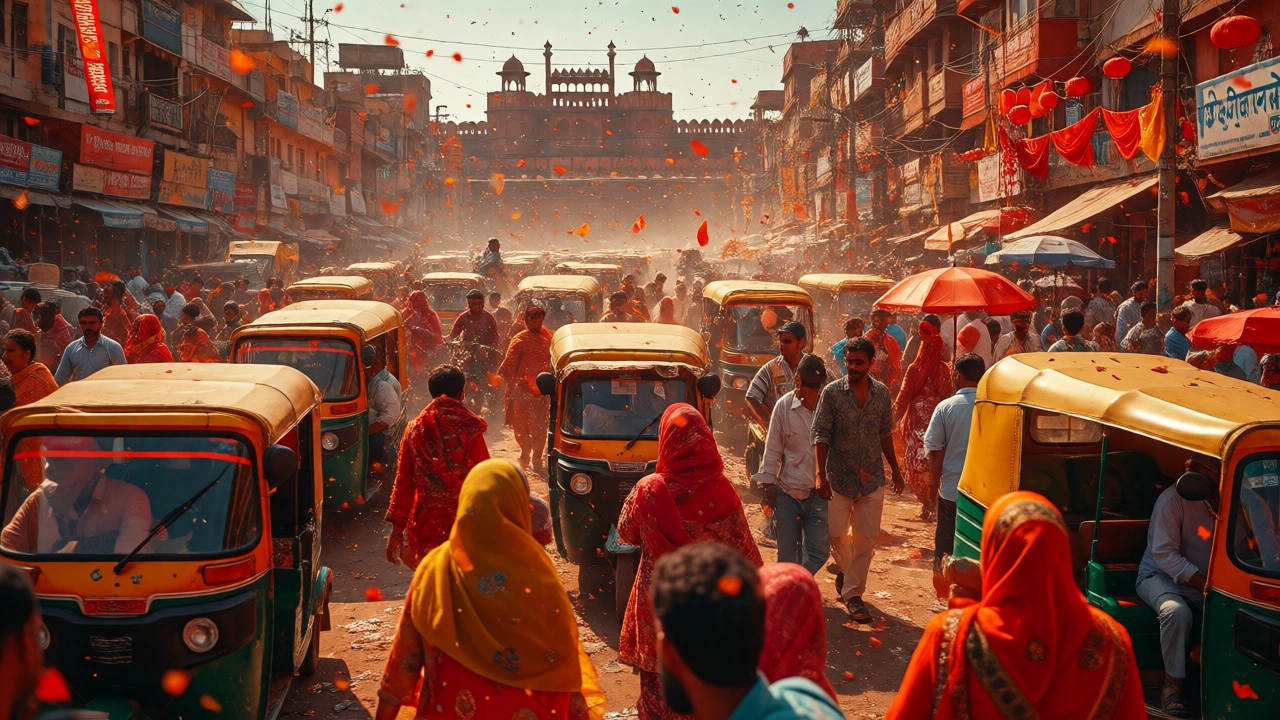
Let’s address the elephant in the room: intensity. Northern India, particularly cities like Delhi and Jaipur, operates on a different frequency. It’s loud, fast, and visually overwhelming. The air smells of exhaust, spices, and dust. You’ll be honked at by auto-rickshaws that seem to drive on faith alone. For some travelers, this energy is addictive. For others, it’s exhausting within 48 hours.
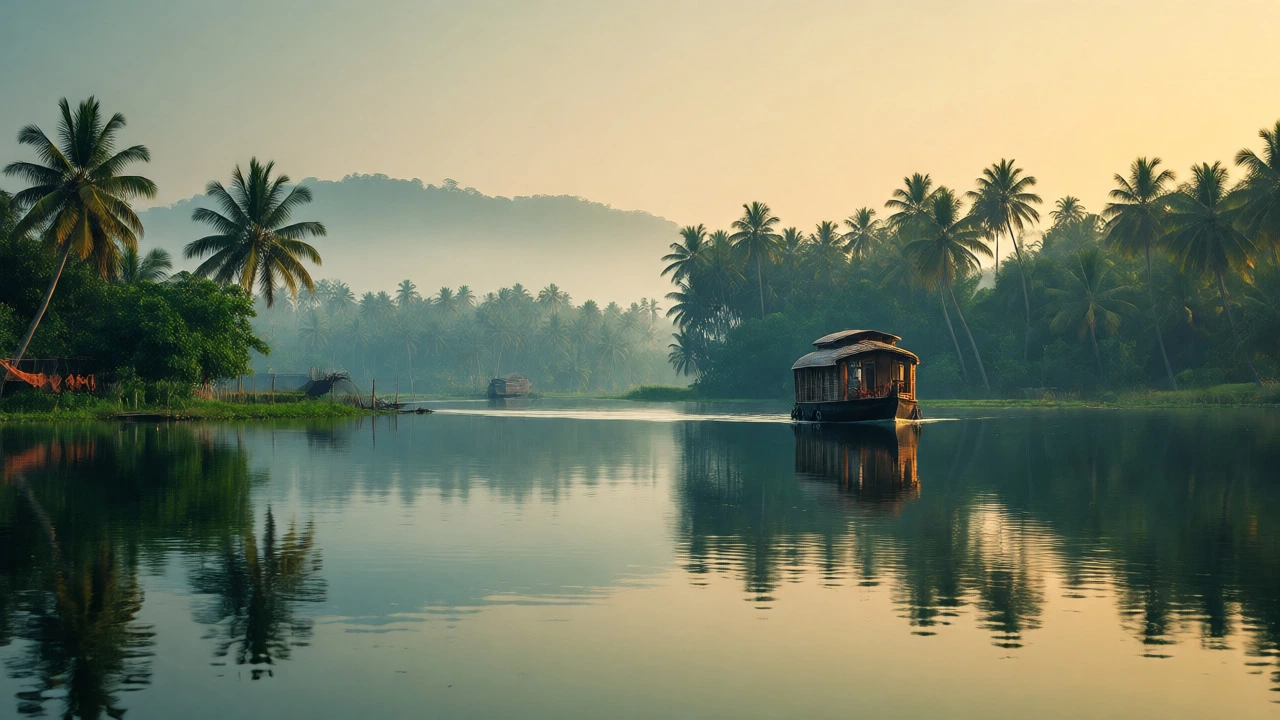
South India, specifically states like Kerala and Tamil Nadu, tends to feel more relaxed. Sure, Chennai is busy, but it doesn’t have the same frenetic edge as New Delhi. In Kerala, the pace slows down dramatically. People speak softer. Traffic follows rules more often. The humidity is high, yes, but the mental load is lower. If you’re traveling with young kids or elderly parents, the South’s gentler rhythm is usually a win.
But don’t mistake calm for boring. The South has its own kind of chaos-just slower, greener, and often wetter. The monsoon rains here are dramatic events that shut down streets and turn lakes into rivers. It’s atmospheric rather than aggressive.
History Buffs: Mughals vs. Cholas
If you open a history book, both regions offer masterclasses, but they teach different subjects.
The North is dominated by the legacy of the Mughal Empire. Think The Taj Mahal in Agra, the Red Fort in Delhi, and the Amber Fort in Jaipur. These structures are massive, symmetrical, and built from white marble and red sandstone. They scream imperial power. Walking through these sites feels like stepping into a Bollywood epic set. The architecture is influenced by Persian and Central Asian styles, resulting in domes, arches, and intricate geometric patterns.
The South tells the story of the Chola Dynasty and the Vijayanagara Empire. Here, the focus shifts to towering temple gopurams (gateways) carved with thousands of colorful deities. Meenakshi Amman Temple in Madurai is a prime example-it’s not just a place of worship; it’s a living city within a city. The stone carvings in Hampi are surreal landscapes of boulders and ruins that look like something out of a fantasy novel. Unlike the polished grandeur of the North, Southern heritage feels rawer, older, and deeply integrated into daily religious practice.
| Feature | North India | South India |
|---|---|---|
| Dominant Era | Mughal & Rajput | Chola, Pandya, Vijayanagara |
| Key Material | Marble, Sandstone | Granite, Laterite |
| Famous Site | Taj Mahal, Agra | Hampi Ruins, Karnataka |
| Vibe | Imperial Grandeur | Spiritual Intricacy |
Nature Lovers: Mountains vs. Backwaters
This is where the choice becomes purely aesthetic. Do you want altitude or water?
The North gives you the Himalayas. Places like Manali, Leh-Ladakh, and Shimla offer crisp mountain air, pine forests, and views that make your chest ache. Trekking here is serious business. You’re dealing with altitude sickness, cold nights, and winding roads that hug cliffsides. But the payoff? Watching the sun rise over snow-capped peaks while sipping hot chai. It’s majestic and stark.
The South offers tropical paradise. Kerala Backwaters are houseboats gliding through palm-fringed canals. Goa provides golden sands and Portuguese-influenced churches. The Western Ghats in the South offer misty tea plantations in Munnar and Ooty. Instead of freezing cold, you deal with heat and rain. The landscape is green year-round. Wildlife safaris in Periyar or Bandipur let you spot tigers and elephants in dense jungle, contrasting sharply with the sparse wildlife of the Himalayan foothills.
Foodie Face-Off: Butter Chicken vs. Dosa
Indian food isn’t a single cuisine. It’s a continent of flavors. Choosing a region means choosing a palate.
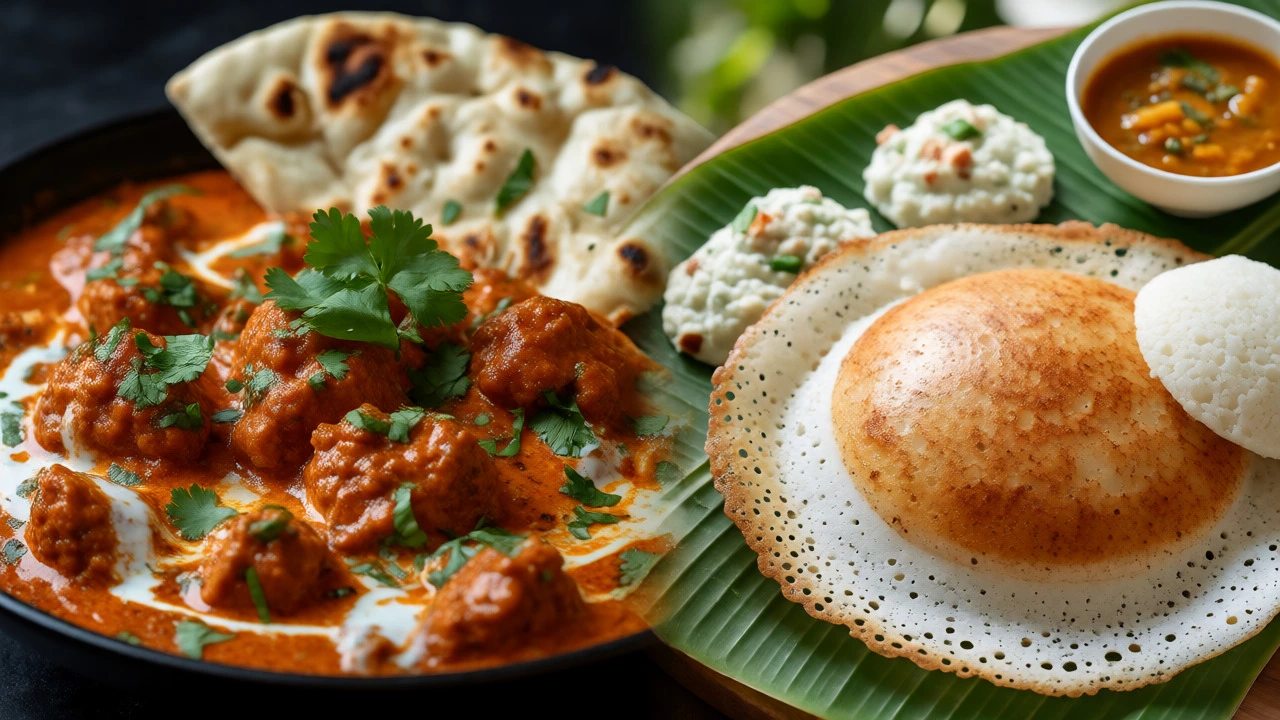
In the North, dairy is king. Rich gravies made with cream, butter, and yogurt define dishes like Butter Chicken and Paneer Tikka. Bread is central-naan, roti, paratha. You eat with your hands, tearing bread to scoop up thick sauces. Street food includes chaat, samosas, and chole bhature. It’s heavy, satisfying, and designed to keep you warm in cooler climates.
The South runs on rice and coconut. Fermentation is the secret weapon. Dosa and idli are breakfast staples because the fermented batter is gut-friendly and light. Coconut oil replaces ghee in many cooking methods. Tamarind adds a sour kick to curries instead of cream. Thalis served on banana leaves offer variety without heaviness. If you find rich, creamy gravies cloying, the South’s lighter, spicier, and tangier profile might suit you better.
Logistics & Budget: What Does It Cost?
Let’s talk money. Both regions are affordable compared to Europe or North America, but the costs differ in structure.
Transportation in the North is cheaper for long distances via train. The Indian Railways network is denser here. A sleeper-class ticket from Delhi to Jaipur costs pennies. However, private taxis and entry fees for major monuments (like the Taj Mahal) add up quickly. Accommodation ranges from ₹500 ($6) hostels to ₹50,000 ($600) luxury havelis.
In the South, internal transport can be pricier if you rely on flights between cities like Bangalore and Kochi. Trains are good but less frequent in some rural areas. However, daily costs are often lower. Food is cheaper-a full meal in a local canteen might cost $1.50. Temple donations are minimal. Luxury resorts in Kerala are expensive, but mid-range homestays offer incredible value with home-cooked meals included.
Best Time to Visit: Avoiding the Mistakes
Timing makes or breaks an India trip. Get this wrong, and you’ll regret it.
North India: October to March is prime season. The weather is cool and pleasant. April to June gets scorching hot (40°C+). July to September is monsoon season-great for Himachal Pradesh, terrible for Rajasthan due to flooding risks. December brings fog to Delhi, which delays flights and trains significantly.
South India: November to February is ideal. The weather is dry and mild. March to May is hot and humid. June to August is monsoon season. While rain disrupts plans, it’s also when the landscape is most beautiful and prices drop. Just be prepared for boat cancellations in Kerala during peak monsoon.
Who Should Go Where?
Still stuck? Use this quick decision tree.
- Choose North India if: You want iconic landmarks (Taj Mahal), love mountains/trekking, enjoy vibrant nightlife in metros, or are interested in Mughal/Rajput history.
- Choose South India if: You seek relaxation/spa treatments, love beaches/backwaters, prefer vegetarian-friendly food options, want safer/easier solo travel experiences, or are interested in Hindu temple architecture.
- Do Both if: You have 3+ weeks. Fly into Delhi, spend 10 days in the Golden Triangle, then fly to Mumbai or Goa, and spend 10 days in the South.
Frequently Asked Questions
Is South India safer for solo female travelers?
Generally, yes. Cities like Hyderabad, Bengaluru, and Kochi often rank higher for safety metrics than Delhi or Agra. Locals tend to be more reserved but helpful, and harassment incidents reported by tourists are statistically lower in the South. However, standard precautions apply everywhere.
Which region has better English proficiency?
English is widely spoken in urban centers across both regions. However, you may find slightly higher fluency among service staff in tourist hubs of the South (like Goa and Kerala) and IT hubs like Bengaluru. In rural North India, Hindi dominates, though basic English is common in hotels.
Can I drink tap water in either region?
No. Tap water quality varies drastically even within cities. Always stick to bottled water or filtered water provided in reputable hotels/accommodations. This rule applies equally to North and South India to avoid stomach issues.
Is alcohol easily available in both regions?
Availability varies by state, not strictly by North/South. Gujarat (West/North) is dry. Kerala (South) has strict government-run liquor shops. Goa (West/South coast) is very liberal. Rajasthan (North) allows sales but has restrictions. Always check local laws before assuming availability.
Which region is better for vegetarians?
Both are excellent, but South India has a slight edge due to the prevalence of pure vegetarian restaurants (especially in Tamil Nadu and Karnataka). Many traditional South Indian thalis are inherently vegetarian. In the North, finding vegetarian food is easy, but meat-heavy cultures dominate certain areas like Punjab and Kashmir.