Ladakh Trekking: Best Trails, Tips, and Why It’s India’s Ultimate Adventure
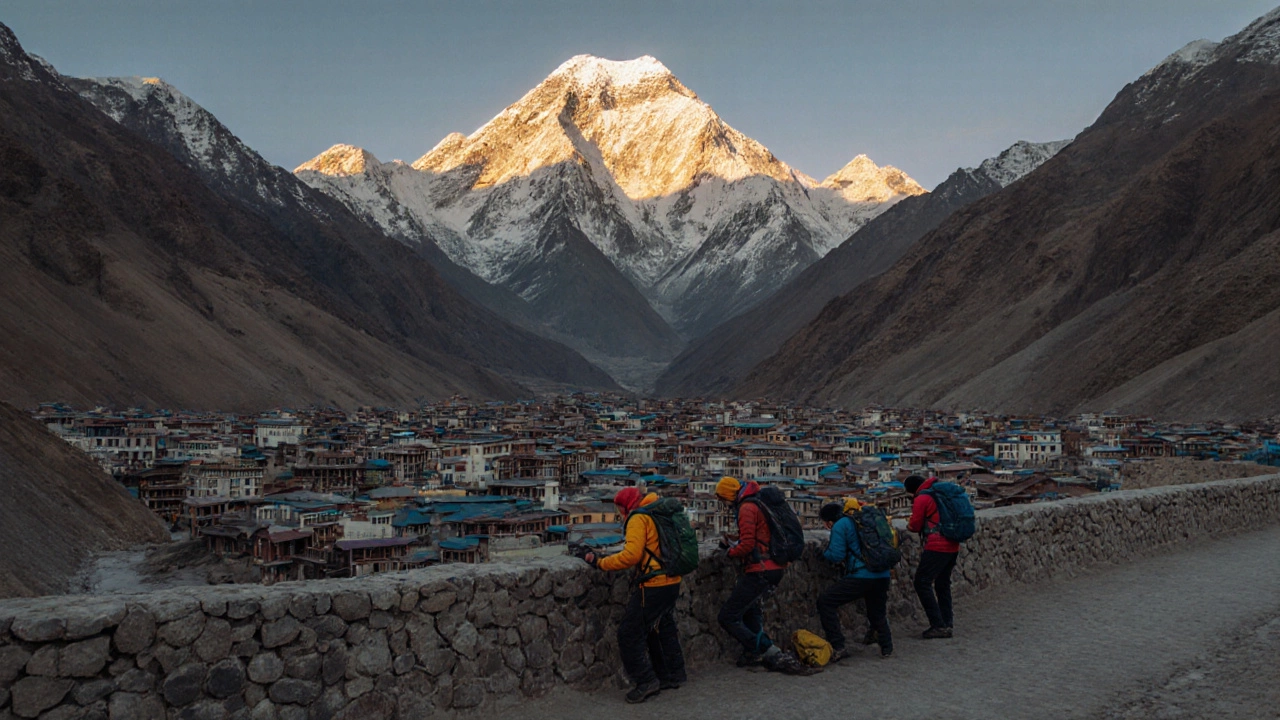
When you think of Ladakh trekking, a high-altitude adventure in India’s northernmost region, known for rugged mountains, remote monasteries, and thin air that tests even seasoned hikers. Also known as Himalayan trekking in Ladakh, it’s not just a walk—it’s a journey through some of the planet’s most untouched landscapes. This isn’t your typical weekend hike. You’re walking above 14,000 feet, past prayer flags fluttering in icy winds, beside rivers carved by glaciers, and through villages where life hasn’t changed in centuries.
Ladakh trekking requires more than good shoes. You need to understand high altitude trekking, trekking at elevations above 12,000 feet where oxygen levels drop and the body must adapt slowly to avoid altitude sickness. It’s a physical and mental game, and many travelers underestimate it. People who’ve done the Markha Valley or Chadar Trek say the real challenge isn’t the distance—it’s the silence, the cold, and the fact that help is hours away. That’s why preparation matters: acclimatize in Leh first, drink more water than you think you need, and pack layers that actually work in sub-zero temps. And don’t forget the cultural side. Every trail passes near a Buddhist monastery, a centuries-old spiritual center in Ladakh, often perched on cliffs, where monks chant and pilgrims spin prayer wheels. These aren’t tourist stops—they’re living places of worship. Respect them. The locals don’t ask for your photos. They ask for your silence.
What makes Ladakh trekking different from other Indian treks? It’s the isolation. While Rishikesh is full of yoga mats and smoothies, Ladakh gives you nothing but sky, stone, and stillness. The Chadar Trek on the frozen Zanskar River? It’s literally walking on ice that’s six feet thick. The Markha Valley? It connects seven villages with views of Kongmaru La Pass that make you forget your aching legs. And the Nubra Valley? You ride double-humped camels past sand dunes under snow-capped peaks. These aren’t Instagram backdrops—they’re real, raw, and unforgettable.
There’s no single "best" Ladakh trek. It depends on your fitness, your time, and how much you want to suffer (in a good way). But every route shares one thing: it changes you. You don’t come back the same person. You carry the silence with you.
Below, you’ll find real stories from people who’ve walked these trails—their mistakes, their wins, the gear that saved them, and the moments they’ll never forget. Whether you’re planning your first high-altitude hike or you’ve already summited a few peaks, there’s something here that’ll help you go further.