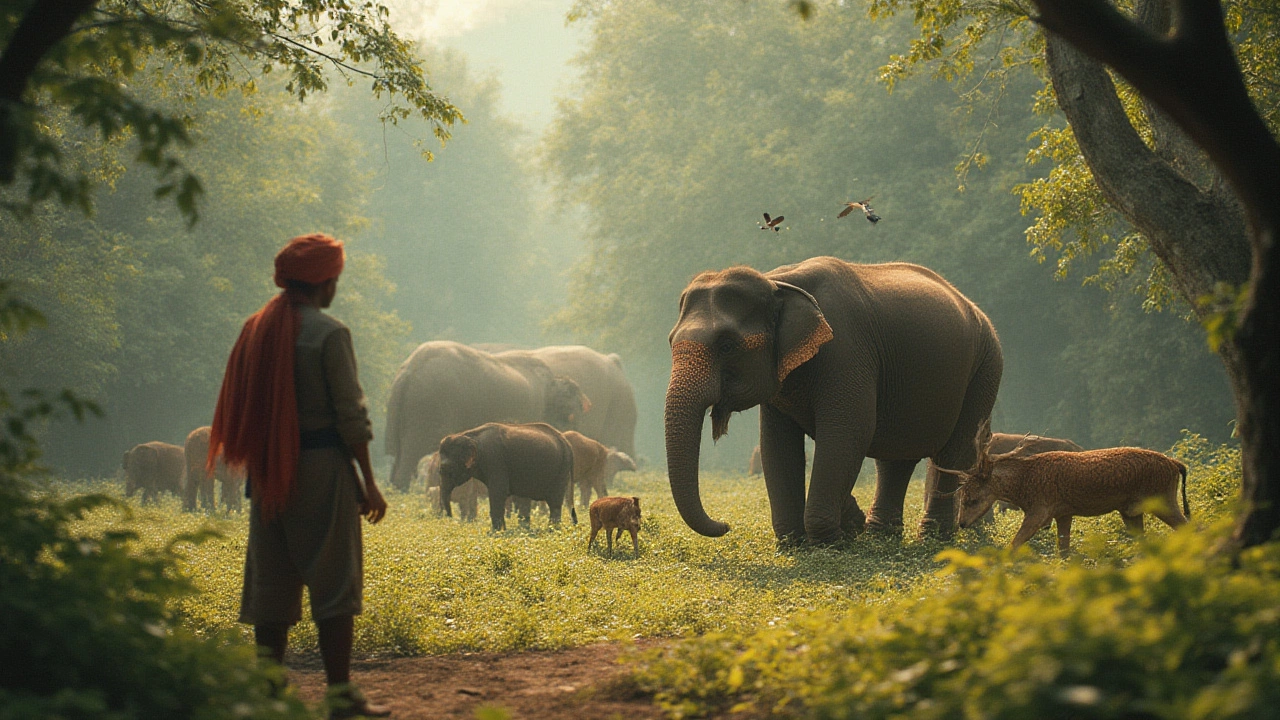
Sanctuary in India: Top Wildlife Refuges, Sacred Spaces, and Peaceful Retreats
When you think of a sanctuary, a protected place where life is preserved and peace is honored. Also known as wildlife refuge, it’s not just about animals—it’s about spaces where nature, tradition, and stillness come together. In India, sanctuaries aren’t just government-designated reserves. They’re ancient forests where tigers walk unseen, quiet rivers lined with herons, and temple courtyards where silence is part of the ritual. These places don’t just protect species—they protect a way of being.
India’s wildlife sanctuary, a legally protected area for native animals and plants. Also known as protected area, it’s home to over 500 designated zones, from the mangroves of Sundarbans to the high-altitude grasslands of Hemis. These aren’t zoos. They’re living ecosystems where elephants still migrate, leopards hunt at dusk, and rare birds like the Great Indian Bustard cling to survival. And while global travelers chase the Big Five, India’s sanctuaries offer something deeper: the chance to witness wildness that hasn’t been staged for cameras. But a sanctuary isn’t only about animals. It’s also about spiritual sanctuary, a place of inner calm rooted in faith, ritual, or solitude. Also known as sacred space, it’s found in the misty hills of Rishikesh, where yoga and river chants drown out the noise of the world, or in the quiet courtyards of Kerala’s temples, where incense and bare feet on stone create a rhythm older than time. These are places where people don’t just visit—they reset. You don’t need to be religious to feel it. Just sit still. Listen. The air changes.
What ties these together? Sanctuary is about protection—not just of land or species, but of experience. It’s why the Palace on Wheels winds through Rajasthan’s royal reserves, not just for luxury, but to let you see elephants in their natural habitat from a window that doesn’t disturb them. It’s why foreign tourists skip Goa’s clubs for Palolem Beach, not for the water, but for the absence of crowds. It’s why someone might cry in a temple—not from sadness, but from the weight of peace they didn’t know they were missing.
Below, you’ll find real stories from people who’ve found their sanctuary in India. Whether it’s a weekend escape to a quiet forest, a train ride through protected lands, or standing alone in a centuries-old temple at sunrise—these aren’t just trips. They’re returns. To silence. To wildness. To something deeper than sightseeing.