Stomach Problems Travel: How to Avoid and Handle Digestive Issues on India Trips
When you’re exploring India’s bustling streets, ancient temples, or quiet beaches, the last thing you want is a sudden case of stomach problems travel, digestive discomfort that strikes while traveling, often from unfamiliar food or water. Also known as traveler’s diarrhea, it’s one of the most common health issues visitors face—not because India is dirty, but because your gut isn’t used to the local bacteria, spices, or preparation methods. This isn’t about fear. It’s about preparation.
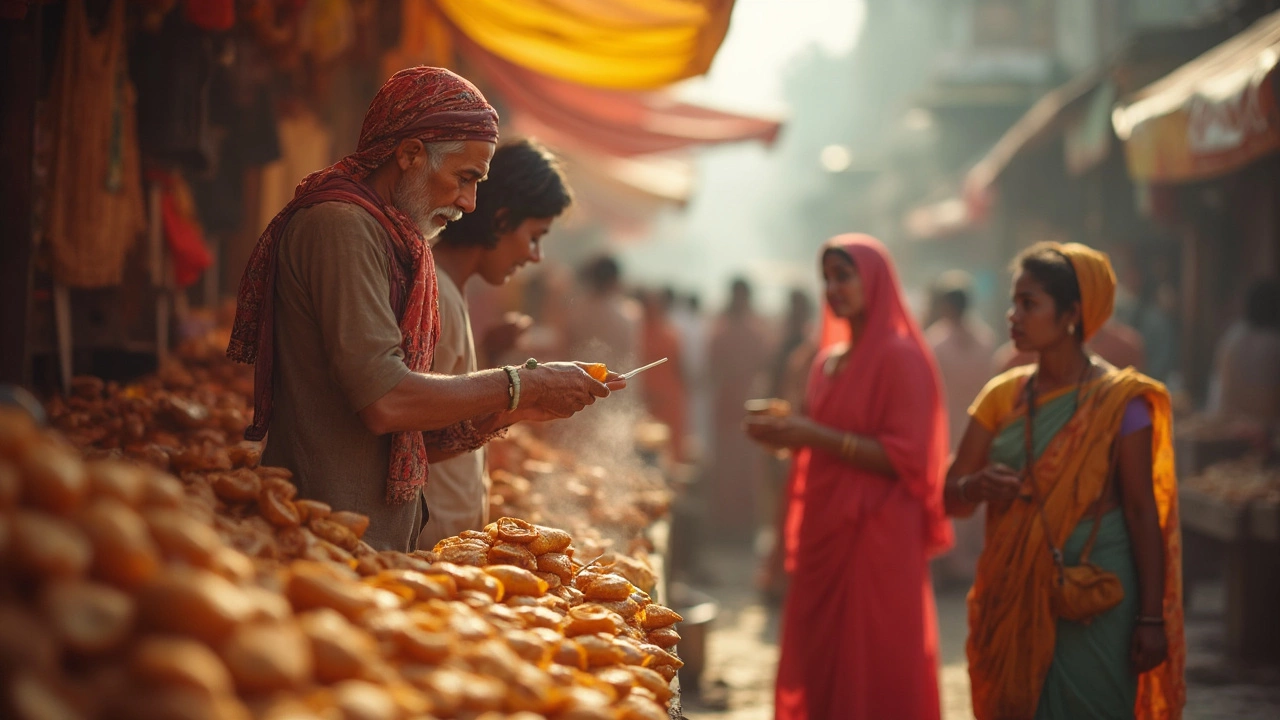
Most cases come from street food, unpeeled fruit, or water that’s safe for locals but not for visitors. A study from the CDC found that over 40% of international travelers to South Asia experience some form of digestive upset. But here’s the truth: you don’t need to avoid street food entirely. Many travelers eat from the same vendors as locals and stay fine—they just know how to pick wisely. Look for stalls with high turnover, food served hot, and vendors who wash their hands. Avoid ice in drinks unless you’re sure it’s made from bottled or filtered water. And yes, bottled water isn’t foolproof—check the seal. Many cases come from refill stations that aren’t properly sanitized.
It’s not just about what you eat—it’s about your body’s adjustment. Your gut has a rhythm. When you land in India, that rhythm gets thrown off by time zones, heat, stress, and new spices. Probiotics can help. Many travelers swear by starting a daily probiotic a week before the trip. Others carry oral rehydration salts in their bags—not just for sickness, but as a quick fix if they feel off. Don’t wait until you’re doubled over. A little prevention goes a long way.
You’ll also find that some places in India are gentler on the stomach than others. South India’s rice-based meals, coconut water, and mild curries often cause fewer issues than the rich, butter-heavy dishes of North India. Rishikesh and Goa’s expat-friendly cafes use filtered water and standardized prep. Even in crowded cities like Delhi or Mumbai, you’ll spot places where tourists and locals both eat—usually the ones with a line out the door.
And if it happens? Don’t panic. Most cases clear up in 24 to 48 hours. Carry loperamide for quick relief, but don’t use it if you have a fever or bloody stool—that’s when you need a doctor. Many pharmacies in tourist areas stock reliable brands. And remember, staying hydrated matters more than eating. Sip water, coconut water, or clear broth. Skip caffeine and alcohol. They make dehydration worse.
This collection of posts doesn’t just tell you what to avoid—it shows you how to eat, drink, and move through India without letting a bad stomach ruin your trip. From budget tips on safe street eats to what to pack in your first-aid kit, these real stories from travelers who’ve been there will help you stay well and enjoy every bite.