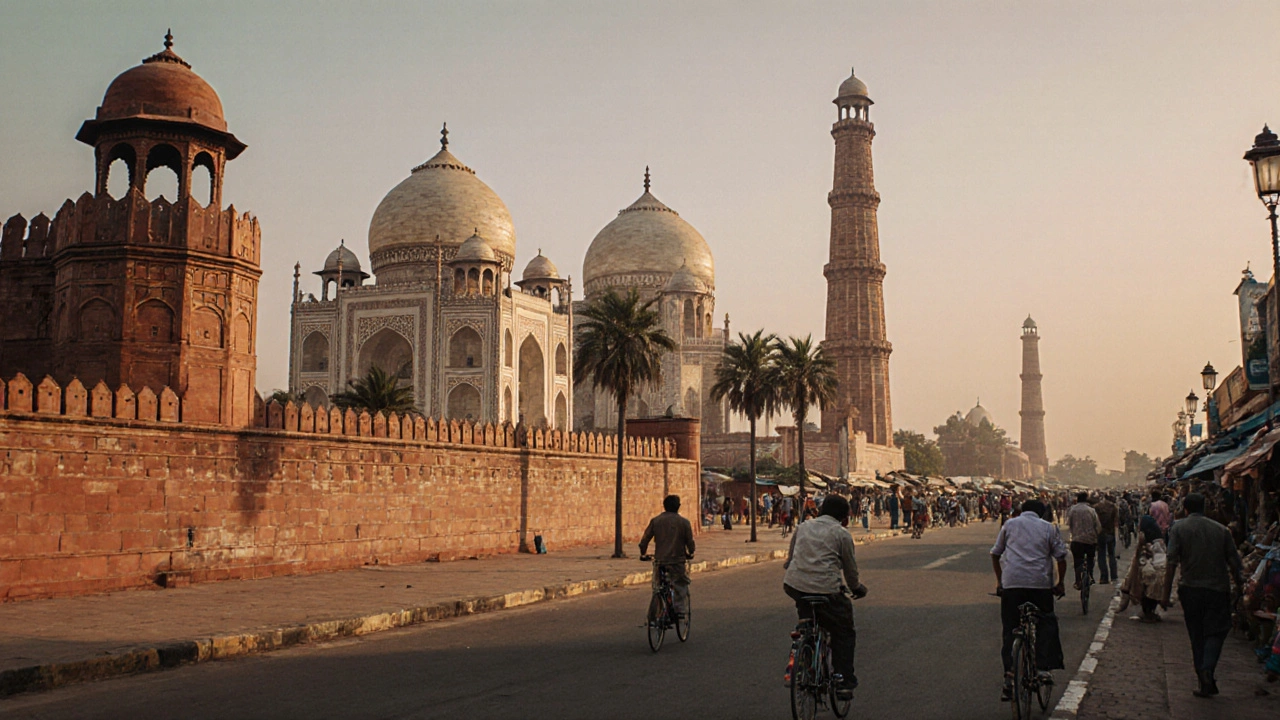
UNESCO Sites India: Top World Heritage Places to Visit
When you think of UNESCO sites India, World Heritage Sites recognized by the United Nations for their cultural or natural significance. Also known as World Heritage Sites in India, these places aren’t just postcard views—they’re active parts of Indian life, where rituals, crafts, and traditions continue exactly as they did centuries ago. India has over 40 of these sites, more than any country in South Asia. From the snow-capped peaks of the Himalayas to the ancient stepwells of Gujarat, each one tells a story that’s still being written today.
Some of the most famous are the Taj Mahal, a 17th-century white marble mausoleum in Agra built by Emperor Shah Jahan for his wife, and the Khajuraho temples, a group of Hindu and Jain temples in Madhya Pradesh known for their intricate erotic sculptures and spiritual symbolism. Then there’s the Red Fort in Delhi, the historic Mughal palace where India’s Prime Minister gives the Independence Day speech every year. These aren’t museums behind ropes—they’re places where locals still pray, celebrate, and walk through every day.
What makes these sites special isn’t just their age. It’s how they’ve survived. The stepwells of Rajasthan, like Rani ki Vav, were built to store water during droughts—today, they’re still used by villagers during dry seasons. The temples of Hampi aren’t just ruins; they’re the backdrop for morning yoga sessions and evening drum circles. Even the historic city of Jaipur, known as the Pink City, still follows its original grid layout designed in 1727. These places don’t exist because tourists came—they exist because people kept them alive.
You’ll find that many of the posts below dive into how to visit these places without the crowds, how to understand the hidden meanings behind their carvings, and which ones are best seen in the early morning light. Some talk about the trains that take you there, like the Palace on Wheels, which stops right outside the forts of Rajasthan. Others explain how to spot the real cultural moments—not the ones staged for cameras, but the ones that happen when no one’s watching. Whether you’re planning a weekend trip or a month-long journey, these sites are the heartbeat of India’s past and present.