North India Trip Planner
Select Regions to Visit:
Select your trip duration and regions above, then click "Generate Itinerary" to see your personalized plan.
Imagine standing on the edge of a cliff in Himachal Pradesh, watching the sun rise over snow-capped peaks, or wandering through the chaotic, colorful lanes of Old Delhi where every turn smells like spices and history. North India isn't just a region; it's a sensory overload that hits you hard and fast. If you're planning a trip here, you're probably overwhelmed by the sheer volume of options. Should you go for the mountains? The deserts? The temples? The answer is yes, but you need a plan.
Most travelers make the mistake of trying to see everything in ten days. They end up exhausted and seeing nothing clearly. This guide cuts through the noise. We aren't just listing names; we're breaking down the top 25 tourist places in North India based on what they actually offer you as a traveler. Whether you want spiritual peace, adrenaline-pumping treks, or royal luxury, there is a spot here for you.
Key Takeaways
- The Golden Triangle (Delhi-Agra-Jaipur) remains the essential starting point for first-time visitors due to ease of access and iconic landmarks.
- Himachal Pradesh and Uttarakhand offer distinct experiences: Himachal for colonial charm and easy access, Uttarakhand for serious trekking and spiritual depth.
- Rajasthan is not just about Jaipur; cities like Jaisalmer and Udaipur provide vastly different desert and lake experiences.
- Seasonality matters: The Himalayas are closed or risky in monsoon (July-Sept), while Rajasthan is unbearable in summer (May-June).
- Budget varies wildly: You can do this trip for $30/day in Dharamshala or $300/day in Udaipur palaces.
The Golden Triangle: Where History Meets Chaos
If you have never been to India, start here. The Golden Triangle is a popular tourist circuit connecting three major cities: Delhi, Agra, and Jaipur. It forms a triangle on the map of northern India and covers the most famous historical sites in the country.
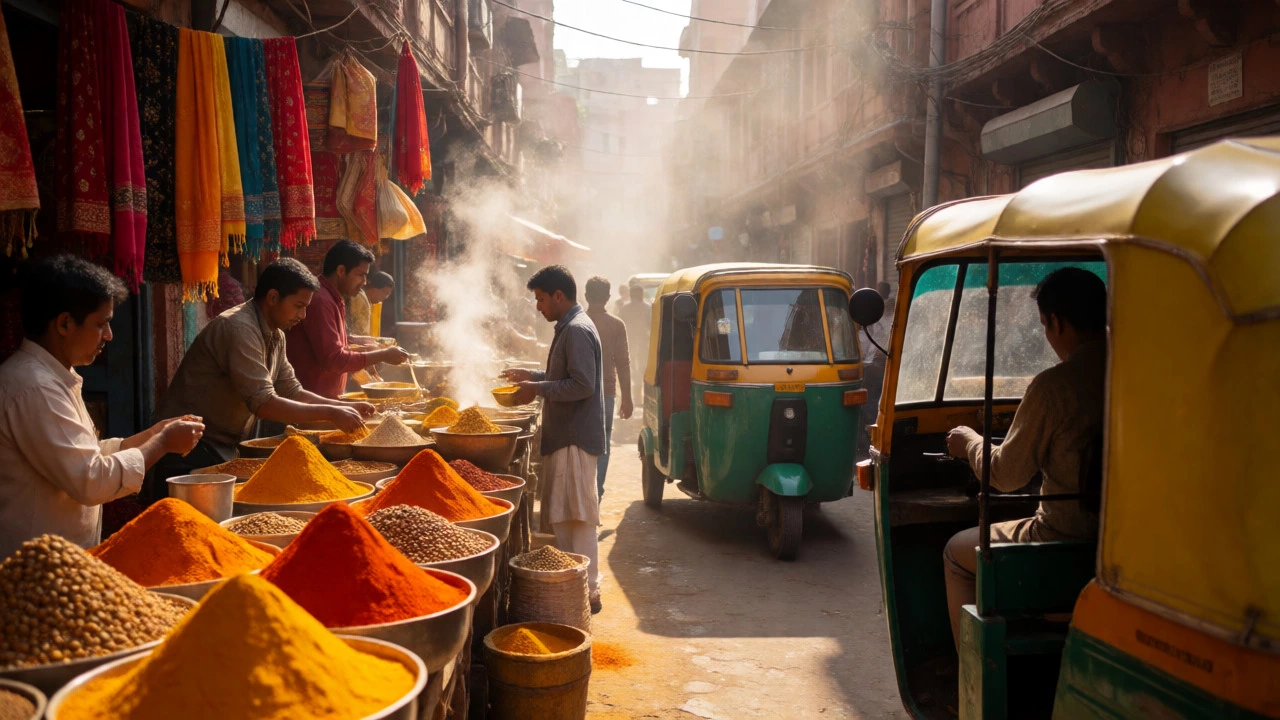
First stop: New Delhi. Don't let the traffic scare you off. Delhi is the heart of political and cultural power. Visit the Red Fort to understand Mughal architecture, then head to Humayun’s Tomb, which inspired the Taj Mahal. For a modern contrast, walk around India Gate and explore the Lodi Gardens. It’s noisy, dirty, and absolutely electric.
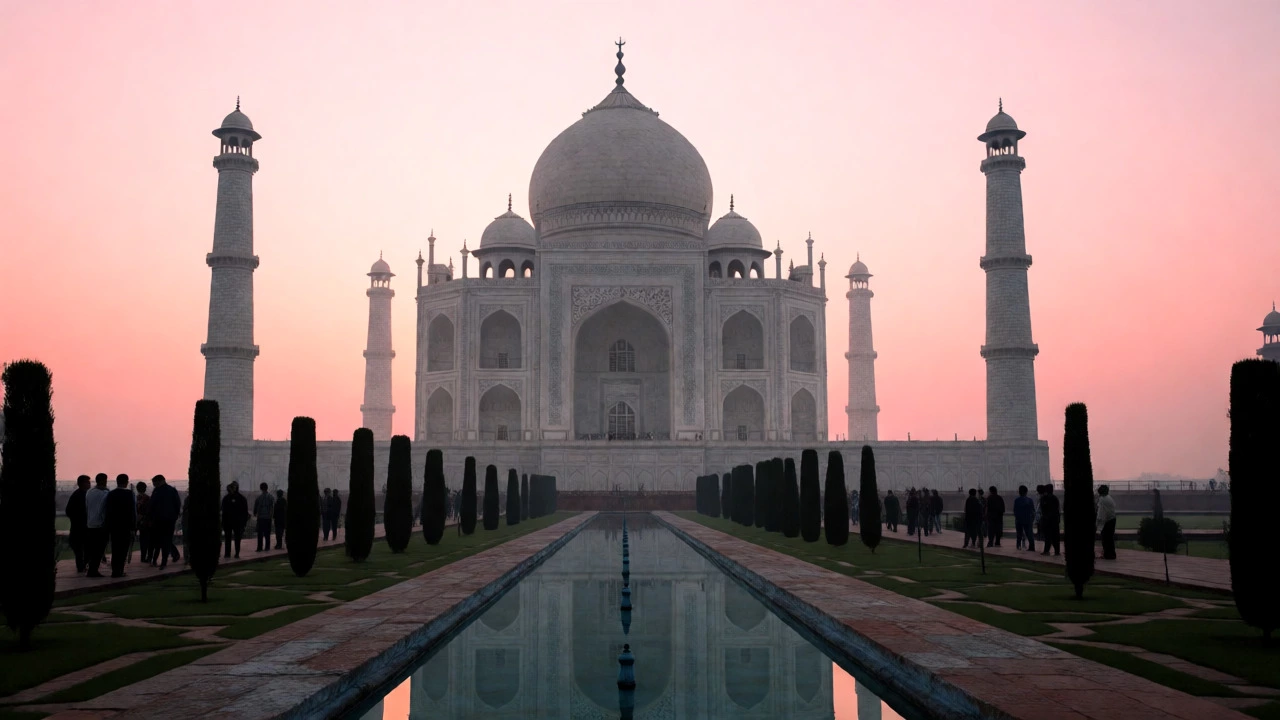
Next, take the Yamuna Expressway to Agra. Yes, everyone goes for the Taj Mahal. But don’t just snap a photo and leave. Go at sunrise when the marble changes color from pink to white. Then, visit the Agra Fort, a massive red sandstone fortress that offers a darker, more imposing view of history than the romanticized tomb nearby.
Finally, Jaipur. Known as the Pink City, it’s cleaner and more organized than Delhi. The Amber Fort requires an elephant ride or a jeep climb-choose wisely based on your ethics. Hawa Mahal, the Palace of Winds, is visually stunning from the outside. But the real gem here is the City Palace museum, which gives you a genuine look into royal Indian life.
| City | Must-See Attraction | Best Time to Visit | Average Daily Cost (USD) |
|---|---|---|---|
| New Delhi | Humayun’s Tomb & Qutub Minar | Oct-Mar | $40-$80 |
| Agra | Taj Mahal | Nov-Feb | $30-$60 |
| Jaipur | Amber Fort | Oct-Mar | $50-$100 |
Rajasthan: Beyond the Postcards
Many people think Rajasthan ends at Jaipur. That’s a huge mistake. The state is vast, covering nearly half of India’s western border. After Jaipur, push west to Jodhpur, the Blue City. Why blue? Legend says Brahmins painted their houses blue to distinguish themselves, though others say it keeps them cool. Climb Mehrangarh Fort for panoramic views of the city sprawled below. It’s one of the largest forts in India.
Then there’s Jaisalmer. This is the Thar Desert experience. The Jaisalmer Fort is unique because people still live inside its walls. It’s a living fort, not just a museum. Stay in a haveli (traditional mansion) and take a camel safari into the Sam Sand Dunes. Watching the sunset from the dunes is cliché for a reason-it works.
For something completely different, head south to Udaipur. Called the "Venice of the East," it’s built around a series of artificial lakes. Lake Pichola is the star attraction. Boat rides here are magical, especially at dusk. The City Palace complex overlooks the water, offering a level of luxury and romance you won’t find in the arid north-west. It’s perfect for honeymooners or anyone who needs a break from dust and heat.
The Himalayas: Mountains, Monasteries, and Mist
Once you’ve had enough of the plains, go north. The Himalayas dominate the landscape of Himachal Pradesh, Uttarakhand, Ladakh, and Kashmir. Each area has a distinct vibe.
In Himachal Pradesh, start with Shimla. It was the British summer capital, so the architecture is distinctly colonial. Walk the Mall Road, but get away from the crowds by visiting the Ridge. Nearby, Kufri offers skiing in winter. For a quieter vibe, try Manali. It’s a gateway to adventure sports like paragliding and rafting. Solang Valley is great for snow activities, even if you’re not a pro skier.
But the real soul of Himachal lies in Dharamshala and McLeod Ganj. This is the home of the Dalai Lama. The Tibetan influence is strong-you’ll see prayer flags everywhere and hear chanting from monasteries. It’s also a hub for yoga and meditation retreats. The air is crisp, and the pace is slow. If you want to escape the chaos of the cities, this is your sanctuary.
Cross over into Uttarakhand for a more rugged experience. Rishikesh is world-famous for yoga and the Beatles’ ashram visit. It sits on the banks of the Ganges River. Try river rafting on the rapids-it’s safe for beginners but thrilling enough to keep you engaged. Haridwar, nearby, is one of the seven holy cities. The evening Ganga Aarti (prayer ceremony) is a massive spectacle of fire and devotion.
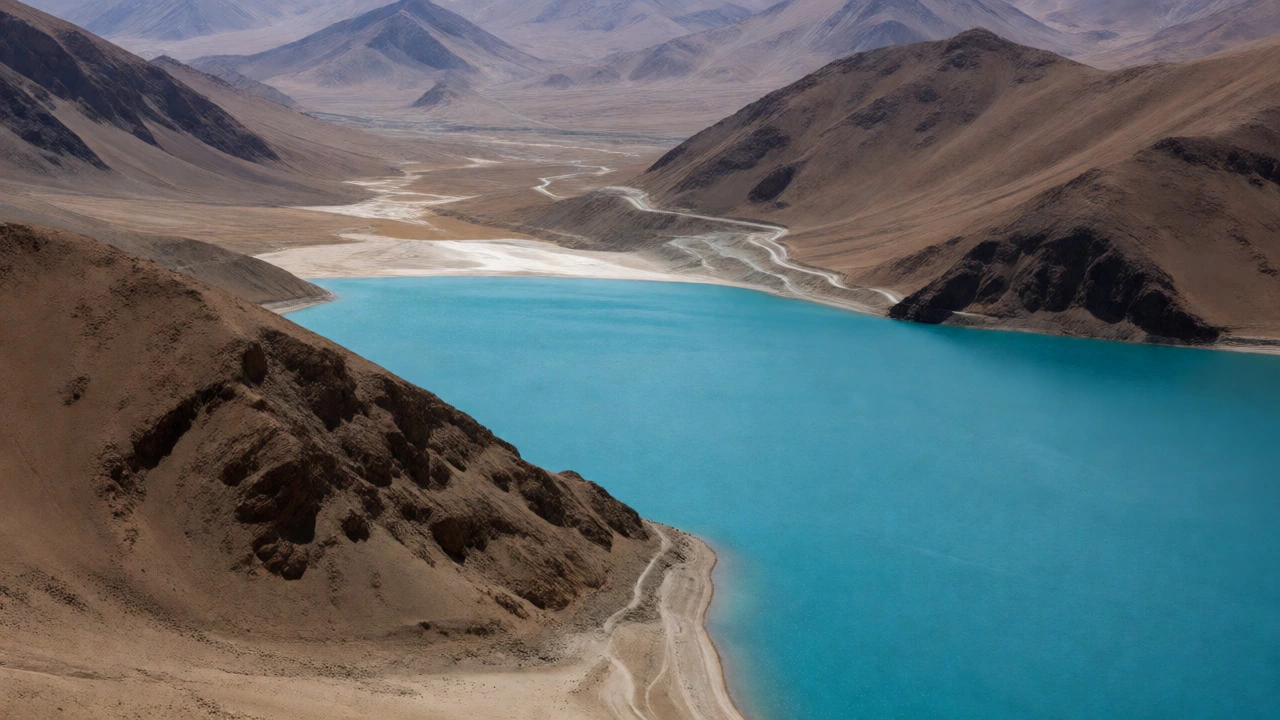
For the adventurous, Ladakh is non-negotiable. It’s a high-altitude desert, not lush green mountains. The roads are narrow, winding, and terrifyingly beautiful. Pangong Lake changes color throughout the day-from turquoise to deep blue. Nubra Valley offers double-humped Bactrian camels against a backdrop of sand dunes and glaciers. Note: You need time to acclimatize to the altitude. Rushing leads to Acute Mountain Sickness.
Kashmir: Paradise on Earth?
We can’t talk about North India without mentioning Kashmir. Despite past conflicts, it remains one of the most beautiful regions in the world. Srinagar is the entry point. Staying on a houseboat on Dal Lake is a must-do experience. These boats are floating hotels, some dating back centuries. Shikara rides (small wooden boats) let you glide through lotus gardens.
From Srinagar, drive to Gulmarg. In winter, it’s a premier ski destination. In summer, it’s a meadow of wildflowers. Pahalgam is another gem, known for its pine forests and trout fishing. The Amarnath Cave, located deeper in the mountains, is a major pilgrimage site, but the trek is tough. Only attempt it if you’re physically fit.
Punjab and Haryana: Culture and Spirituality
Often overlooked, Punjab offers warm hospitality and rich culture. Amritsar is the center of Sikhism. The Golden Temple (Harmandir Sahib) is breathtaking, covered in gold leaf and surrounded by a sacred pool. The community kitchen (Langar) serves free meals to up to 100,000 people daily. Volunteering here for a few hours is a humbling experience.
Nearby, the Wagah Border ceremony is a daily military display between India and Pakistan. It’s loud, patriotic, and surprisingly entertaining. Arrive early to get a good seat.
In Haryana, Kurukshetra holds mythological significance as the battlefield of the Mahabharata epic. It’s less touristy but deeply significant for those interested in Hindu mythology. The Brahma Sarovar tank is a key pilgrimage site.
Chandigarh and The Rock Garden
Between Punjab and Haryana lies Chandigarh, designed by Le Corbusier. It’s planned, clean, and green compared to other Indian cities. The main attraction is the Rock Garden, created by Nek Chand using industrial waste and rocks. It’s a sprawling maze of sculptures and waterfalls. Sukhna Lake is perfect for an evening walk or boating.
Offbeat Gems: Hidden Treasures
You’ve seen the big ones. Now for the spots that locals love but tourists often miss.
- Kasol (Himachal): A tiny village near Manali, famous for hippie culture and hash shops. Great for chilling out.
- Spiti Valley (Himachal): More remote than Ladakh. Key Monastery is perched dramatically on a cliff. Requires a permit and careful driving.
- Mcleodganj (Himachal): Already mentioned, but worth repeating for its vibrant cafe scene and hiking trails to Triund.
- Alwar (Rajasthan): Close to Delhi. Bhangarh Fort is said to be haunted. Interesting ruins and a ghost story to tell.
- Dehradun (Uttarakhand): Gateway to Mussoorie. Robber’s Cave is a fun natural formation where you walk through a stream inside a cave.
Practical Tips for Your Trip
Timing is everything. The best time to visit North India is October to March. The weather is pleasant, festivals are happening, and the skies are clear. Avoid May and June if you’re going to Rajasthan-it gets hotter than 45°C (113°F). July to September is monsoon season; avoid the Himalayas due to landslides, but enjoy the lush greenery in the plains.
Transportation: Trains are reliable and scenic. Book AC classes (1A or 2A) for comfort. Flights connect major hubs like Delhi, Jaipur, and Srinagar. For remote areas like Spiti or Ladakh, hire a local driver with a 4x4 vehicle. Self-driving is possible but stressful due to road conditions.
Health: Drink bottled water. Always. Carry anti-diarrheal meds. Get vaccinated for Hepatitis A and Typhoid before traveling. Altitude sickness is real in Ladakh and Spiti; ascend gradually.
Money: Cash is king in smaller towns. ATMs are widespread in cities but scarce in villages. Credit cards work in hotels and big restaurants. Use UPI apps like Paytm or PhonePe if you can set up an Indian SIM card-it’s how most transactions happen now.
Is North India safe for solo female travelers?
Generally, yes, but with caution. Stick to well-traveled routes like the Golden Triangle and major hill stations. Avoid walking alone late at night in unfamiliar areas. Dress modestly to respect local customs and reduce unwanted attention. Many women travel solo successfully, especially in groups or through reputable tour operators.
How many days do I need to cover the top places?
To comfortably see the Golden Triangle and one hill station (like Shimla or Manali), you need at least 10-12 days. If you want to include Rajasthan (Jaipur, Jodhpur, Udaipur) and Kashmir, plan for 18-21 days. Trying to cram too much into a week leads to burnout.
What is the cheapest way to travel between cities?
Trains are the most economical option. Sleeper class (SL) tickets are very cheap, though less comfortable. Second-class AC (2A) offers a good balance of cost and comfort. Buses are cheaper but can be bumpy and crowded. Flights are expensive unless booked well in advance during sales.
Do I need permits for Ladakh or Spiti?
Yes. Foreign nationals require Protected Area Permits (PAP) for parts of Ladakh and Spiti. Indians may need Inner Line Permits for certain zones. Your tour operator or hotel usually arranges these, but bring copies of your passport and visa. Check current regulations as they change frequently.
Is vegetarian food easily available in North India?
Absolutely. North India has a strong vegetarian culture, especially in Gujarat, Rajasthan, and among Hindus. Every restaurant, no matter how small, will have veg options. Look for the green dot symbol on menus, which indicates vegetarian dishes. Jain food is also widely available in major cities.