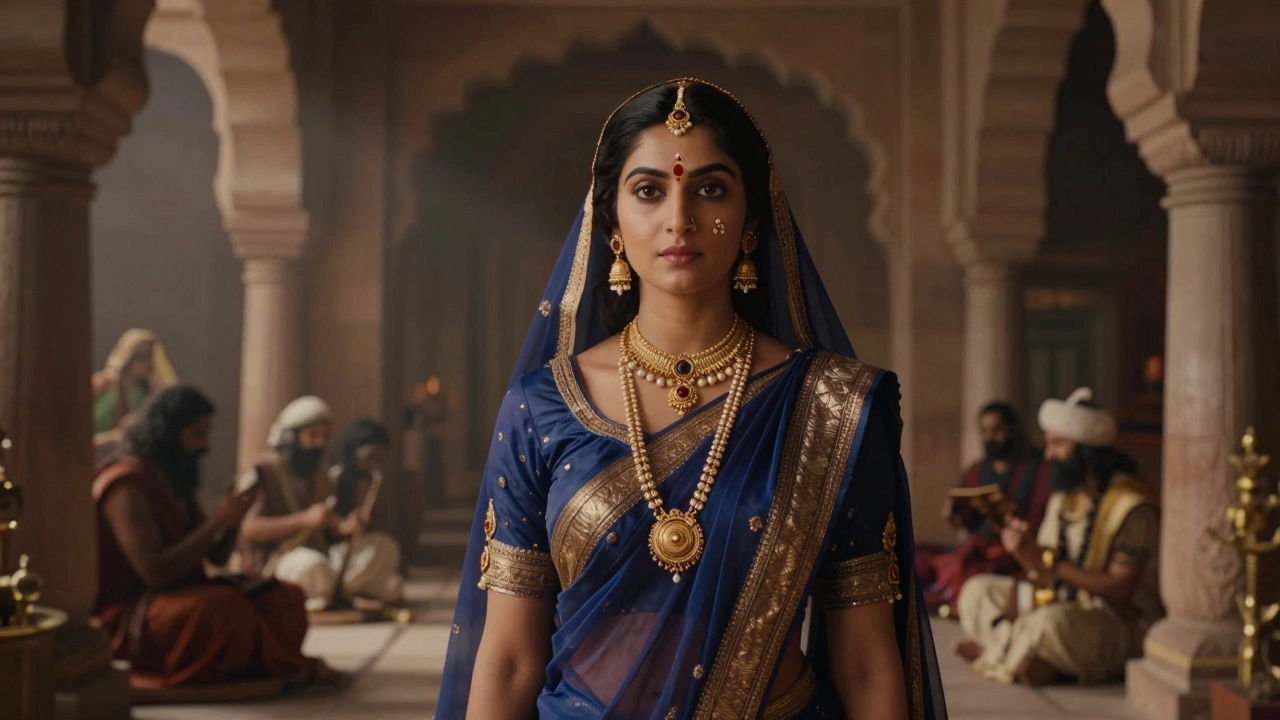
Discover Your Ideal Indian Queen
Beauty in Indian history is defined by more than physical appearance. It encompasses grace, intellect, resilience, and regal presence. Click on the queen whose attributes resonate most with your perspective to reveal why she stands out.
Ahilyabai Holkar
The Graceful Administrator
Wisdom & ServiceRani Lakshmibai
The Warrior’s Fire
Valor & DefianceNur Jahan
Empress of Style
Opulence & PowerMandodari
The Epic Ideal
Loyalty & IntellectBeauty is subjective, especially when we look back through centuries. If you ask ten people who the most beautiful Indian queen was, you’ll likely get ten different answers. Some will point to royal portraits from the Mughal era, others to folk tales of fierce warriors, and some to modern cinematic portrayals. But if we strip away the filters of Hollywood-style glamour and look at what "beauty" meant in Indian history-grace, intellect, resilience, and regal presence-a few names rise above the rest.
This isn’t just about physical appearance. In the context of Indian royalty, beauty was often synonymous with power, wisdom, and the ability to command respect across borders. Today, we’re going to explore the women who defined these eras, why they are remembered as icons of grace, and how their legacies shape our understanding of Indian heritage today.
The Definition of Royal Beauty in Ancient India
To understand who stands out, we first need to understand the canvas. In ancient and medieval India, a queen’s beauty wasn’t measured by waistlines or lip colors. It was measured by her Shakti (power) and Buddhi (intellect). Texts like the Arthashastra, attributed to Chanakya, describe the qualities of an ideal ruler, emphasizing that a leader must be physically fit, mentally sharp, and emotionally stable.
Physical descriptions in classical literature, such as the Kamasutra or Sanskrit poetry, use metaphors of nature-lotuses, moonlight, swans-to describe features. But these were poetic devices. The real "glow" came from status. A queen adorned with Jewelry made of diamonds, emeralds, and pearls, wearing silks from Bengal or brocades from Gujarat, projected an image of divine right and earthly wealth. This visual splendor was part of statecraft. It intimidated rivals and inspired loyalty among subjects.
- Grace under pressure: How a queen handled war, famine, or political betrayal.
- Cultural patronage: Support for arts, temples, and literature.
- Regal bearing: Posture, speech, and public demeanor.
With this framework, let’s look at the contenders who are frequently cited in historical records and popular culture.
Ahilyabai Holkar: The Graceful Administrator
If beauty includes kindness and competence, Ahilyabai Holkar takes the crown. Born in 1725 in Indore, she rose from a humble background to become the ruler of the Malwa region. Unlike many rulers who expanded territory through bloodshed, Ahilyabai focused on reconstruction. She rebuilt temples damaged during earlier invasions, including the Kashi Vishwanath Temple in Varanasi and the Somnath Temple in Gujarat.
Historical accounts describe her as modest, devout, and incredibly intelligent. She didn’t wear heavy jewelry in court; instead, she dressed simply, which added to her aura of humility. Her "beauty" lay in her governance. Farmers prospered under her rule because she reduced taxes and ensured fair trade routes. When British travelers visited her court, they noted her calm demeanor and sharp mind. For many historians, her inner radiance and moral authority make her the most beautiful figure in Maratha history.
| Queen | Era / Region | Key Attribute | Legacy Focus |
|---|---|---|---|
| Ahilyabai Holkar | 18th Century / Central India | Administrative Wisdom | Temple Reconstruction & Welfare |
| Rani Lakshmibai | 19th Century / Jhansi | Martial Valor | Freedom Struggle Symbolism |
| Nur Jahan | 17th Century / Mughal Empire | Political Power & Fashion | Architecture & Imperial Influence |
| Mandodari | Epic Era / Lanka | Loyalty & Intellect | Cultural Archetype of Wifely Duty |
Rani Lakshmibai: The Warrior’s Fire
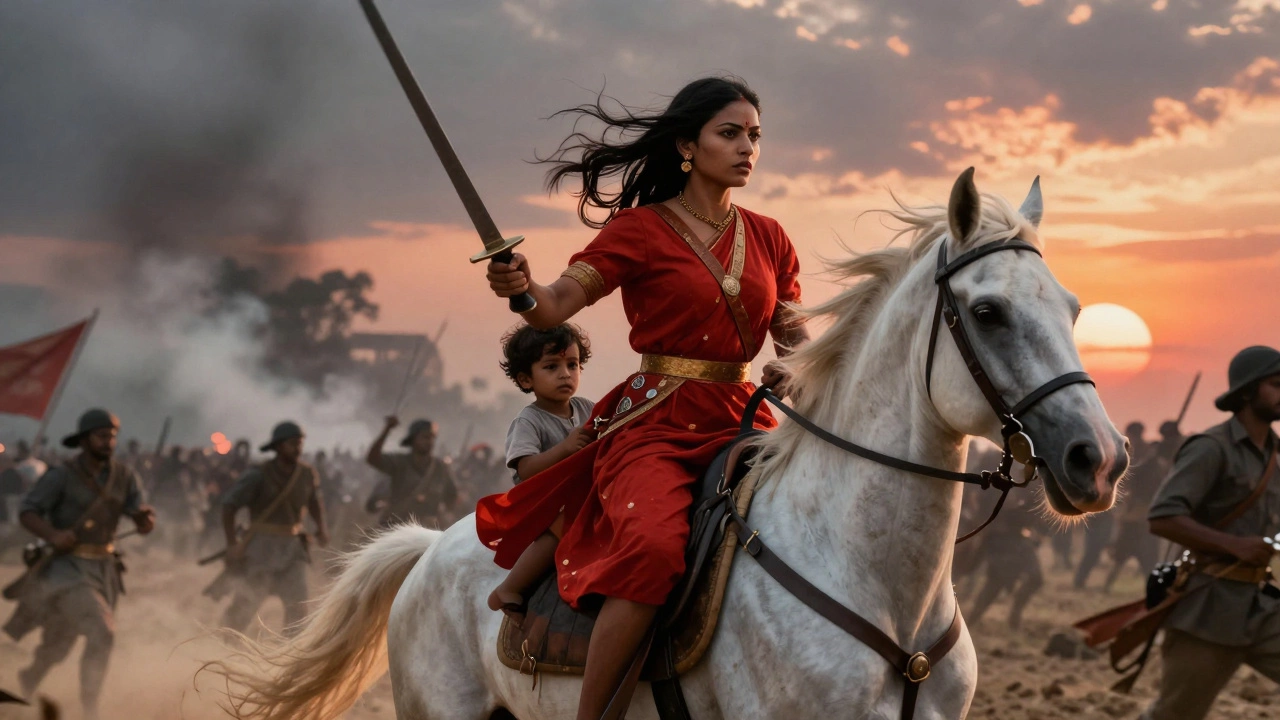
Then there is Rani Lakshmibai of Jhansi. Her beauty is not soft; it is fiery. During the Indian Rebellion of 1857, she refused to surrender her kingdom to the British East India Company. She tied her young son to her back and rode into battle on horseback, wielding two swords. Contemporary British officers described her as having a "masculine" strength and a face that showed no fear.
In modern India, she is often depicted in paintings with a sword raised high, wind blowing through her hair. This image has become iconic. Her beauty lies in her defiance. She broke the stereotype of the secluded royal woman. For millions of Indians, she represents the ultimate fusion of feminine grace and masculine courage. If you value bravery over elegance, Lakshmibai is your answer.
Nur Jahan: The Mughal Empress of Style
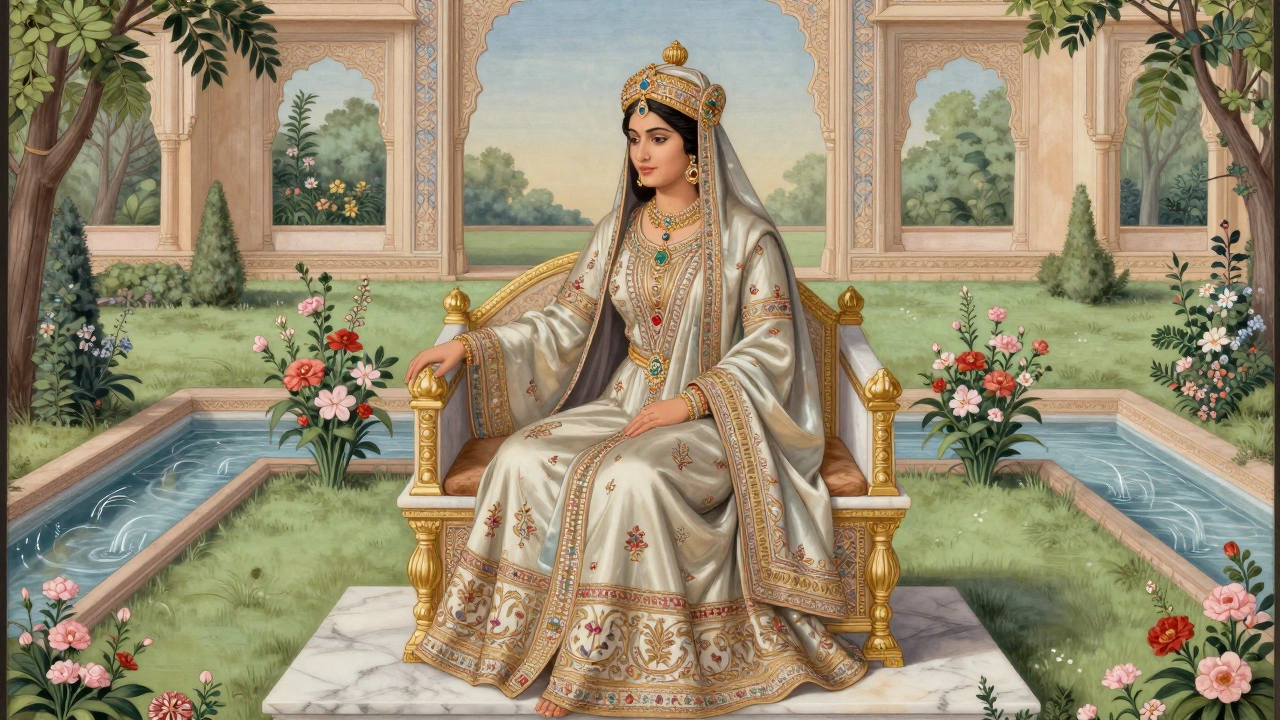
For those who associate beauty with opulence and fashion, Nur Jahan is unmatched. As the chief consort of Emperor Jahangir, she wasn’t just a wife; she was a co-ruler. She signed imperial orders, issued coins with her name, and designed gardens like the Shalimar Bagh in Kashmir.
Mughal miniatures show Nur Jahan with large, expressive eyes, delicate features, and elaborate turbans adorned with jewels. She set trends in clothing, introducing new styles of silk and embroidery that spread across the empire. Her court was known for its cultural sophistication. She hosted poets, painters, and musicians. Her beauty was performative and political-it was a display of the empire’s wealth and taste. She proves that style can be a form of power.
Mandodari: The Epic Ideal
We cannot ignore mythology. In the Ramayana, Mandodari, the wife of Ravana, is described as possessing all the virtues of a queen. Despite her husband’s flaws, she remained loyal but also wise enough to warn him against abducting Sita. Classical texts describe her as radiant, with a complexion like gold and eyes like lotus petals.
Mandodari represents the ideal balance of devotion and reason. She didn’t blindly follow evil; she spoke truth to power. In Indian culture, this intellectual beauty resonates deeply. She is often cited in literature as the model of a supportive yet independent partner. Her story reminds us that beauty without wisdom is empty.
Kubja: The Transformation Story
A lesser-known but fascinating figure is Kubja. According to legend, she was a hunchbacked woman who sought help from Lord Krishna. He miraculously straightened her spine, transforming her into one of the most beautiful women in Dwarka. She later married King Ugrasena. This story highlights a unique aspect of Indian beauty ideals: transformation and divine intervention. It suggests that beauty is not just innate but can be granted through faith and destiny.
Why Does This Question Matter Today?
You might wonder why we still debate the beauty of queens from centuries ago. The answer lies in identity. These women are symbols. When we call someone "beautiful," we are assigning them value. By choosing Ahilyabai, we value service. By choosing Lakshmibai, we value freedom. By choosing Nur Jahan, we value art and influence.
In today’s world, where social media often promotes narrow standards of physical attractiveness, looking at these historical figures offers a broader perspective. They remind us that true allure comes from character, impact, and legacy. Their stories are preserved in palaces, forts, and museums across India, inviting travelers to connect with the past.
Visiting the Legacy: Where to See Their Stories
If you want to experience the grandeur associated with these queens, several destinations offer a tangible connection to their lives.
- Jhansi Fort: Walk the ramparts where Rani Lakshmibai stood guard. The museum inside houses artifacts from the 1857 rebellion.
- Indore & Maheshwar: Visit Ahilya Fort in Maheshwar, perched on the Narmada River. The stepwells and palace structures reflect her architectural vision.
- Agra & Lahore: Explore the tombs and gardens built by Nur Jahan. The Tomb of Itmad-ud-Daulah in Agra, often called the "Baby Taj," showcases her artistic taste.
- Varanasi: See the Kashi Vishwanath Temple, reconstructed by Ahilyabai, to understand her devotion and influence on religious sites.
These places aren’t just tourist spots; they are chapters in the story of Indian womanhood. Standing there, you can almost feel the presence of these powerful women.
Conclusion: Beauty is a Choice
So, who is the most beautiful Indian queen of all time? There is no single answer. If you admire quiet strength and administrative genius, it’s Ahilyabai Holkar. If you love fire and rebellion, it’s Rani Lakshmibai. If you appreciate fashion and political cunning, it’s Nur Jahan. And if you value mythological virtue, it’s Mandodari.
The beauty of Indian history is its diversity. Each queen reflects a different facet of the culture. Rather than picking one winner, perhaps we should celebrate the entire spectrum. They all left marks on history that are far more enduring than any portrait could capture.
Who is considered the most powerful queen in Indian history?
While "power" can be defined in many ways, Nur Jahan held significant political power as a co-ruler in the Mughal Empire, issuing orders and controlling appointments. However, Ahilyabai Holkar wielded immense administrative power over her territory, focusing on welfare and infrastructure. Rani Lakshmibai demonstrated military power during the 1857 rebellion.
Did Indian queens have political power?
Yes, many Indian queens had substantial political power. Examples include Nur Jahan, who acted as regent and influenced imperial policy, and Ahilyabai Holkar, who ruled independently and managed complex diplomatic relations. In South India, queens like Mahalakshmi Bai of Thanjavur also played key roles in governance.
What is the significance of Rani Lakshmibai in Indian history?
Rani Lakshmibai of Jhansi is a national heroine for her role in the Indian Rebellion of 1857 against British rule. She refused to cede her kingdom and fought bravely until her death. She symbolizes resistance, courage, and patriotism in modern India.
How did Indian queens contribute to architecture?
Queens were major patrons of architecture. Nur Jahan designed gardens like Shalimar Bagh and commissioned the Tomb of Itmad-ud-Daulah. Ahilyabai Holkar funded the reconstruction of numerous temples, including Kashi Vishwanath and Somnath, preserving cultural heritage.
Are there any famous Indian queens from South India?
Yes, South India has a rich history of powerful queens. Notable figures include Mahalakshmi Bai of Thanjavur, known for her literary contributions and administration, and Kundavai Pirattiyar of the Chola dynasty, who was a skilled diplomat and warrior. Rani Durgavati, though from Central India, also has strong cultural ties in regional folklore.