Kerala Dress Code Planner
Kerala Dress Code Planner
Select a location to check the rules
Select a location on the left to view specific dress code requirements.
You pack your lightest clothes for a trip to Kerala, a tropical state in southern India known as God's Own Country. The humidity hits you the moment you step off the plane. Your instinct is to wear shorts and a tank top. But then you pause. You’ve heard rumors about strict dress codes. You’ve seen photos of locals in traditional sarees and mundus. The question isn’t just about comfort; it’s about respect. Can tourists really wear shorts in Kerala without offending anyone or getting turned away from sacred sites?
The short answer is: yes, but with major caveats. Wearing shorts in Kerala depends entirely on where you are and what you are doing. If you are lounging by the backwaters in Alleppey, shorts are fine. If you are walking into a centuries-old temple in Thrissur, they might get you stopped at the gate. Understanding this nuance is the difference between a seamless holiday and a series of awkward encounters.
The General Rule: Casual vs. Sacred
To navigate Kerala’s social landscape, you need to separate your itinerary into two categories: secular leisure and religious/cultural observation. In the secular world-beaches, houseboats, hiking trails, and most cafes-tourists have significant freedom. Locals in urban areas like Kochi and Thiruvananthapuram often wear jeans, t-shirts, and even shorts during the scorching summer months. They understand that visitors come from different climates and cultures.
However, Kerala is deeply rooted in Hindu traditions, with Christianity and Islam also playing significant roles in daily life. Modesty is not just a suggestion; it is a cultural value. While no one will arrest you for wearing shorts, dressing too casually in certain settings signals a lack of awareness. It can make interactions colder and limit your access to authentic experiences. Think of your wardrobe as a tool for connection. When you dress respectfully, locals are more likely to engage with you warmly.
Temples: The Strict No-Shorts Zone
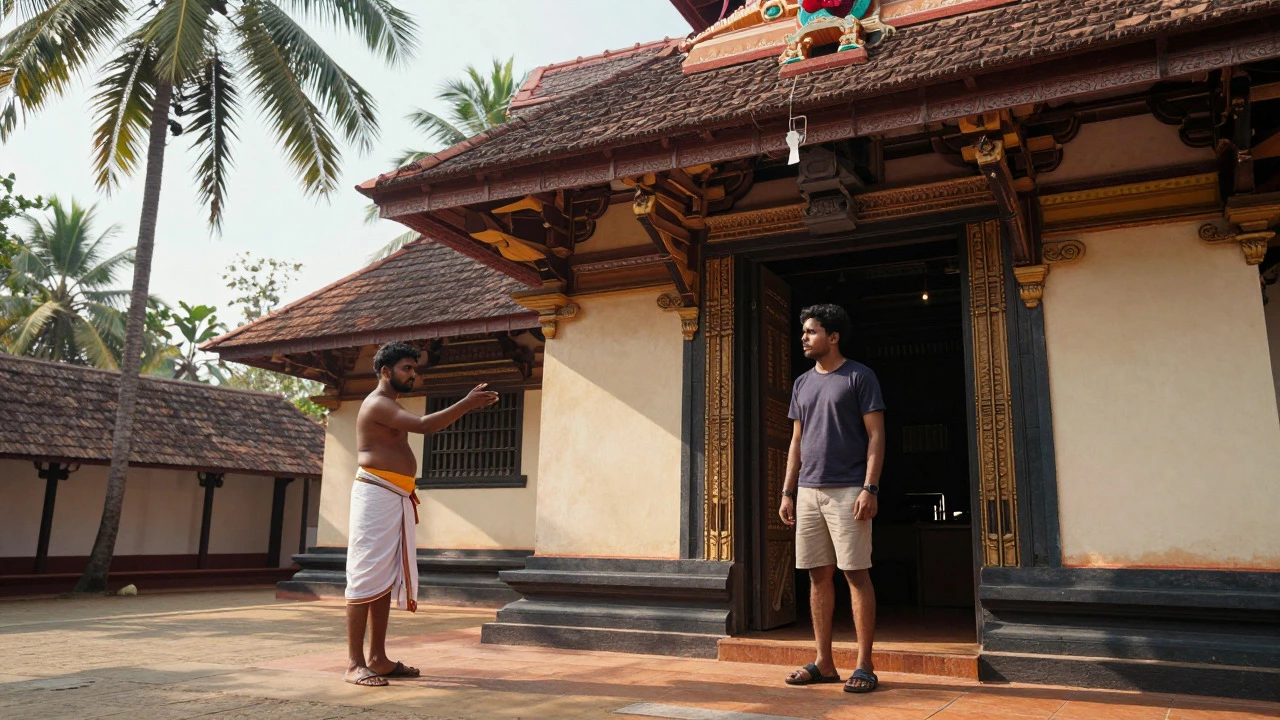
If there is one place where shorts are strictly prohibited, it is inside Hindu temples. This is non-negotiable. Most major temples in Kerala, including the famous Sabarimala Temple, a prominent pilgrimage site dedicated to Lord Ayyappa and the Padmanabhaswamy Temple, one of the richest and most visited temples in India, enforce a strict dress code. Men must wear dhotis, mundus, or long pants. Women should wear sarees, salwar kameez, or long skirts with blouses. Shoulders and knees must be covered.
Why is this rule so rigid? Temples are considered the abode of deities. Entering bare-legged or in revealing clothing is seen as disrespectful to the divine. Many temples provide rental services for traditional garments at the entrance. For example, you can rent a mundu (a white cotton garment worn by men) for a small fee. Using these rentals is a smart move. It shows humility and willingness to adapt. Don’t assume you can sneak in because security is lax. Guards are trained to check attire, and being turned away after a long walk is frustrating.
Beaches and Backwaters: Where Shorts Are Acceptable
In contrast, Kerala’s coastal areas are much more relaxed. Places like Varkala Beach, Kovalam, and Marari Beach are popular among both domestic and international tourists. Here, swimwear and shorts are perfectly acceptable. You’ll see people sunbathing, surfing, and swimming in bikinis and board shorts without issue. However, keep your swimwear contained to the beach area. If you walk into a nearby cafe or shop, throw on a cover-up or change into casual clothes. Walking around town in just a swimsuit is frowned upon, even in tourist hubs.
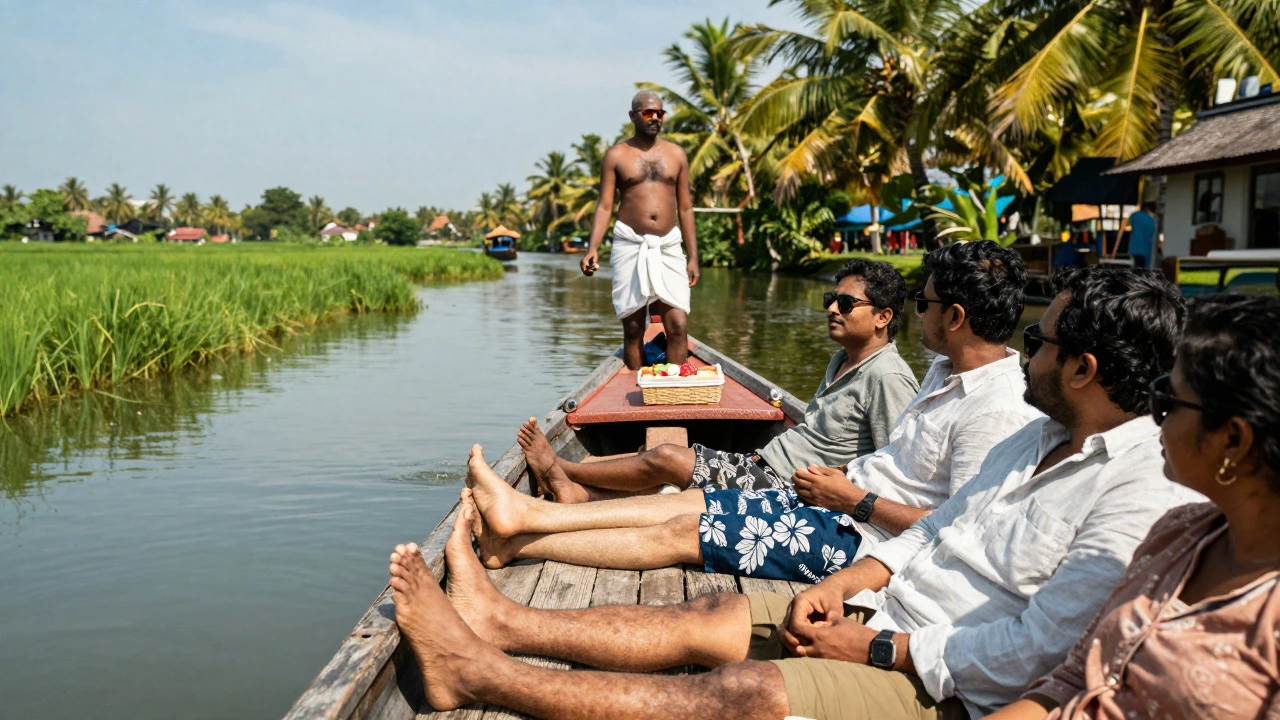
The same logic applies to houseboat cruises in the backwaters. Onboard, you can wear whatever makes you comfortable. Shorts, tank tops, and flip-flops are standard. But remember that houseboats often dock near villages. If you go ashore to visit local homes or markets, switch to more modest attire. Villagers may not be used to seeing tourists in revealing clothes, and dressing appropriately helps maintain good relations with the community.
Cities and Towns: Finding the Middle Ground
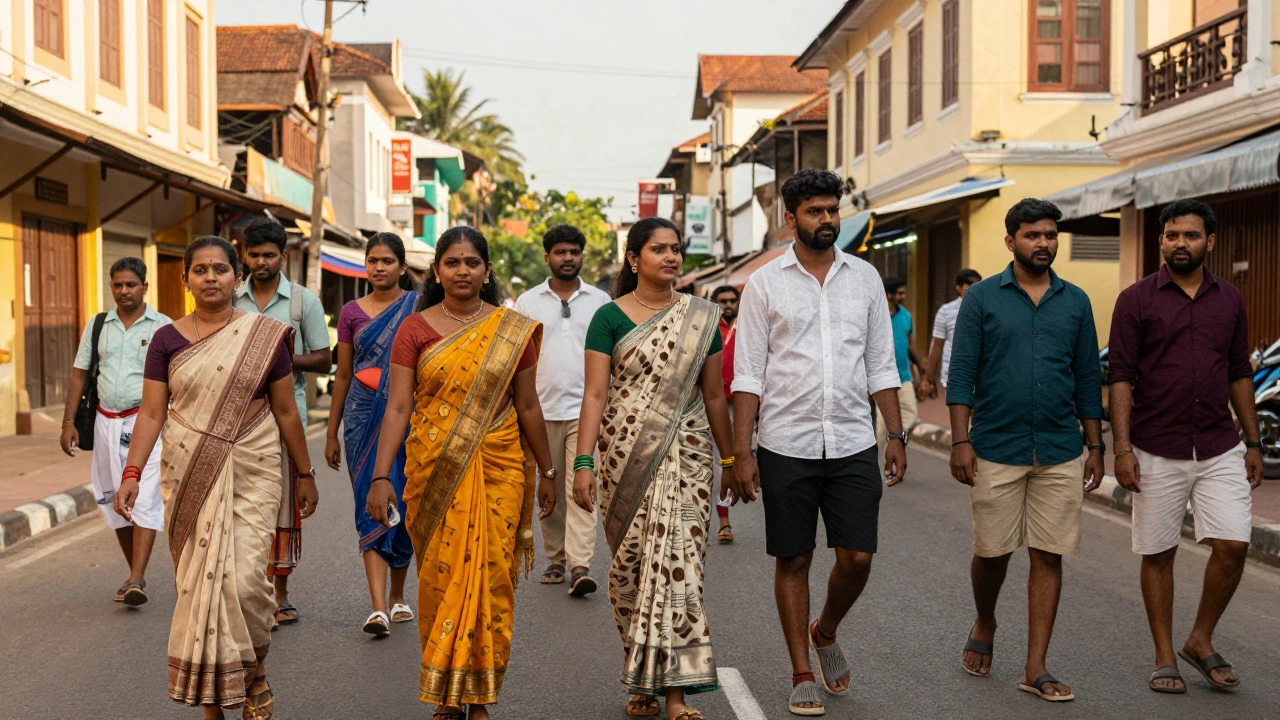
In cities like Kochi, Thrissur, and Kozhikode, the dress code is flexible but leans toward modesty. Jeans, trousers, and long skirts are safe bets. Shorts are acceptable if they are knee-length or longer. Avoid micro-shorts or very tight clothing, which can draw unwanted attention. Women travelers, in particular, benefit from covering their shoulders and knees. A lightweight scarf is a versatile accessory that can transform a casual outfit into a respectful one.
Men have slightly more leeway, but sleeveless shirts and short shorts are still best reserved for the gym or beach. Collared shirts or neat t-shirts paired with chinos or linen pants strike the right balance between comfort and respect. Remember that Kerala is not Mumbai or Delhi, where fashion trends are more globalized. It retains a strong regional identity, and dressing in line with local norms earns you goodwill.
Practical Tips for Packing Smart
Packing for Kerala requires balancing climate needs with cultural expectations. The weather is hot and humid year-round, with monsoons bringing heavy rain from June to September. Breathable fabrics like cotton and linen are essential. Here’s a quick checklist:
- Long Pants/Skirts: Pack at least two pairs of lightweight, loose-fitting bottoms for temple visits and rural tours.
- Scarf/Shawl: A large scarf can cover shoulders, head, or legs as needed. It’s useful for entering mosques and churches too.
- Knee-Length Shorts: Keep these for beaches and houseboats, but avoid them in towns.
- Modest Tops: T-shirts with sleeves or tunics that cover the midriff are ideal. Avoid low-cut necklines.
- Footwear: Slip-on shoes are convenient since you must remove footwear before entering homes and temples.
Invest in quality moisture-wicking fabrics to stay cool without sacrificing coverage. Dark colors hide sweat stains better than light ones, which is a practical bonus in humid conditions.
Mosques and Churches: Similar Rules Apply
Kerala has a rich Christian heritage and a significant Muslim population. Mosques and churches generally follow similar modesty guidelines as temples. For mosques, women should cover their hair with a scarf and wear long sleeves and pants/skirts. Men should wear long pants and avoid sleeveless shirts. Churches are slightly more lenient, but conservative dress is still appreciated. Removing shoes is required in many places of worship. Always observe what others are doing and follow suit. If in doubt, ask politely for guidance.
What Happens If You Break the Rules?
Most of the time, breaking dress codes results in gentle correction rather than harsh punishment. You might receive a disapproving look, a polite request to cover up, or be denied entry. Rarely do tourists face legal trouble. However, repeated offenses or blatant disrespect can lead to tension. In conservative villages, overly revealing clothing might attract stares or comments. While not dangerous, it can make you feel uncomfortable and isolated. Dressing well is an investment in your peace of mind.
| Location Type | Shorts Allowed? | Shoulder Coverage | Recommended Attire |
|---|---|---|---|
| Hindu Temples | No | Required | Dhoti/Mundu for men; Saree/Salwar for women |
| Beaches | Yes | Optional | Swimwear, board shorts, tank tops |
| Backwater Houseboats | Yes | Optional | Casual resort wear, linen pants |
| Urban Areas (Kochi, etc.) | Conditional (Knee-length) | Preferred | Jeans, chinos, modest t-shirts |
| Rural Villages | No | Required | Long pants, covered shoulders |
| Mosques & Churches | No | Required | Long pants, scarves for women |
Seasonal Considerations
Your packing list should also account for the season. During the peak summer months (March to May), temperatures can soar above 35°C (95°F). In this heat, long pants feel unbearable. Opt for loose, airy linen trousers that allow air circulation while maintaining modesty. During the monsoon (June to September), waterproof layers are crucial. Quick-dry fabrics help you stay comfortable despite the rain. Winter (December to February) is mild, but evenings can be cool, especially in hill stations like Munnar. Layering becomes important here.
Respecting Local Culture Beyond Clothing
Dress is just one aspect of cultural sensitivity. How you carry yourself matters too. Speak softly in religious spaces. Ask permission before photographing people. Learn a few phrases in Malayalam, the local language. Saying "Namaskaram" (hello) goes a long way. These small gestures show that you value the local culture beyond just checking boxes on a tourist map. When you combine appropriate attire with respectful behavior, you open doors to deeper connections with Keralites.
Can I wear denim shorts in Kerala?
Denim shorts are acceptable only in beach areas or on houseboats. Avoid them in temples, villages, and urban centers. Knee-length or longer shorts made of lighter fabric are safer choices for general sightseeing.
Do I need to cover my head in Kerala temples?
Head covering is not mandatory in most Hindu temples in Kerala, unlike some other parts of India. However, covering your head in mosques is required for women. Always check specific temple rules as practices can vary.
What should women wear to Kerala beaches?
Bikinis and one-piece swimsuits are widely accepted on popular beaches like Kovalam and Varkala. Just ensure you cover up when leaving the beach area to enter shops, restaurants, or streets.
Are there any specific colors to avoid in Kerala?
There are no strict color bans for tourists. However, bright neon colors might stand out excessively in conservative rural areas. Neutral tones like white, beige, and pastels blend in better and reflect heat effectively.
Can I wear sandals everywhere in Kerala?
Sandals are fine for casual outings and beaches. For temple visits, choose slip-on sandals or easy-to-remove shoes. Closed-toe shoes are recommended for trekking in hill stations like Munnar due to slippery paths.