India Heritage Explorer & Quiz
Loading question...
Walk through the narrow lanes of Old Delhi or stand before the towering gopurams of Madurai, and you’re not just seeing old stones. You are standing in a living library. India’s heritage sites are physical remnants of the past that serve as anchors for national identity, economic engines for local communities, and educational tools for future generations. They are far more than tourist backdrops; they are the backbone of how millions of Indians understand who they are.
It’s easy to look at a crumbling fort and see only decay. But for historians, architects, and economists, these structures tell a different story. They explain how empires rose, how trade routes shifted, and how art evolved over millennia. When we ask why these places matter, we aren’t just asking about architecture. We are asking about survival-cultural, economic, and social.
The Anchor of National Identity
Imagine trying to build a house without a foundation. That’s what a nation is without its history. Heritage sites provide the tangible proof of India’s diverse past. They show us that this land has been a melting pot for centuries, long before modern borders were drawn.
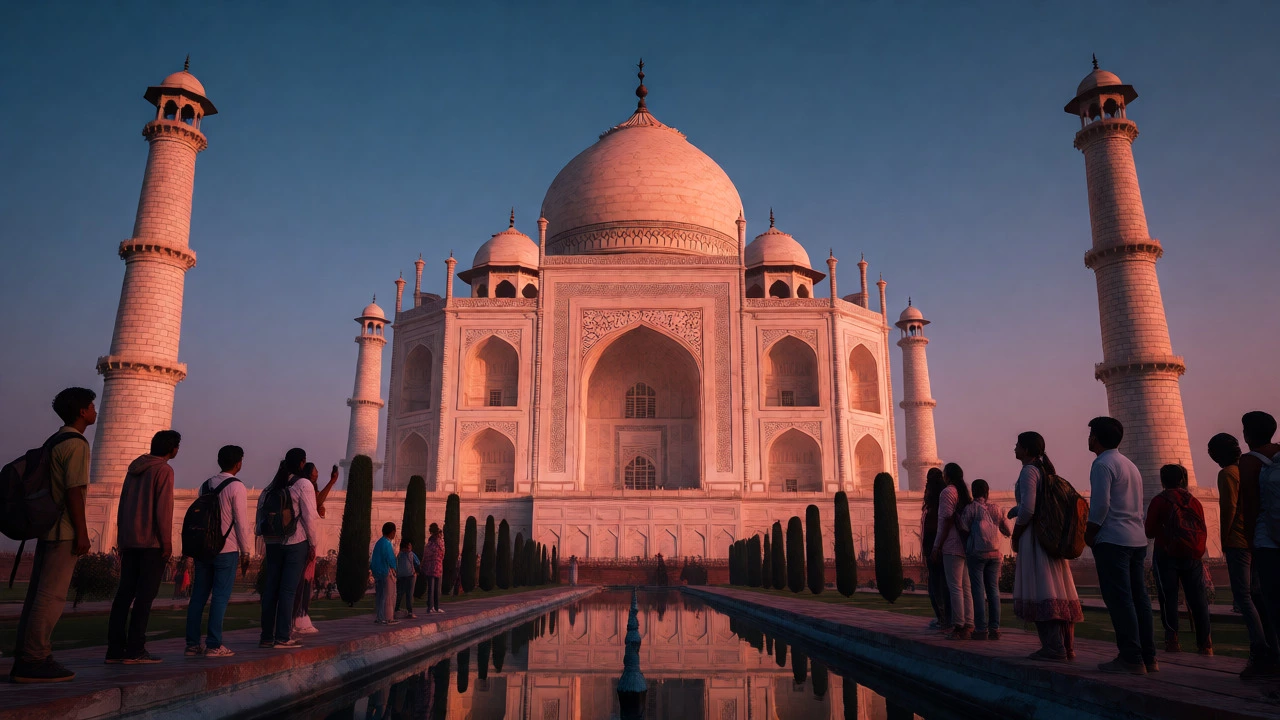
Take the Taj Mahal, a white marble mausoleum built by Mughal Emperor Shah Jahan in memory of his wife Mumtaz Mahal. It isn’t just a beautiful building. It represents the zenith of Mughal architecture, a blend of Persian, Islamic, and Indian styles. When an Indian student visits Agra, they aren’t just learning about dates and names. They are connecting with a specific era of artistic brilliance and emotional depth that defines part of their cultural DNA.
This connection creates a sense of pride and continuity. In a country with 22 official languages and countless dialects, shared historical landmarks act as unifying symbols. Whether it’s the rock-cut caves of Ajanta or the colonial architecture of Mumbai, these sites remind citizens of a shared journey. Without them, history becomes abstract text in a textbook. With them, it becomes real, touchable, and personal.
Economic Lifelines for Local Communities
Let’s talk money. Heritage tourism is a massive industry, and for many regions, it’s the primary source of income. The Ministry of Tourism reports that domestic tourism accounts for a significant chunk of India’s GDP, with heritage circuits driving much of that traffic.
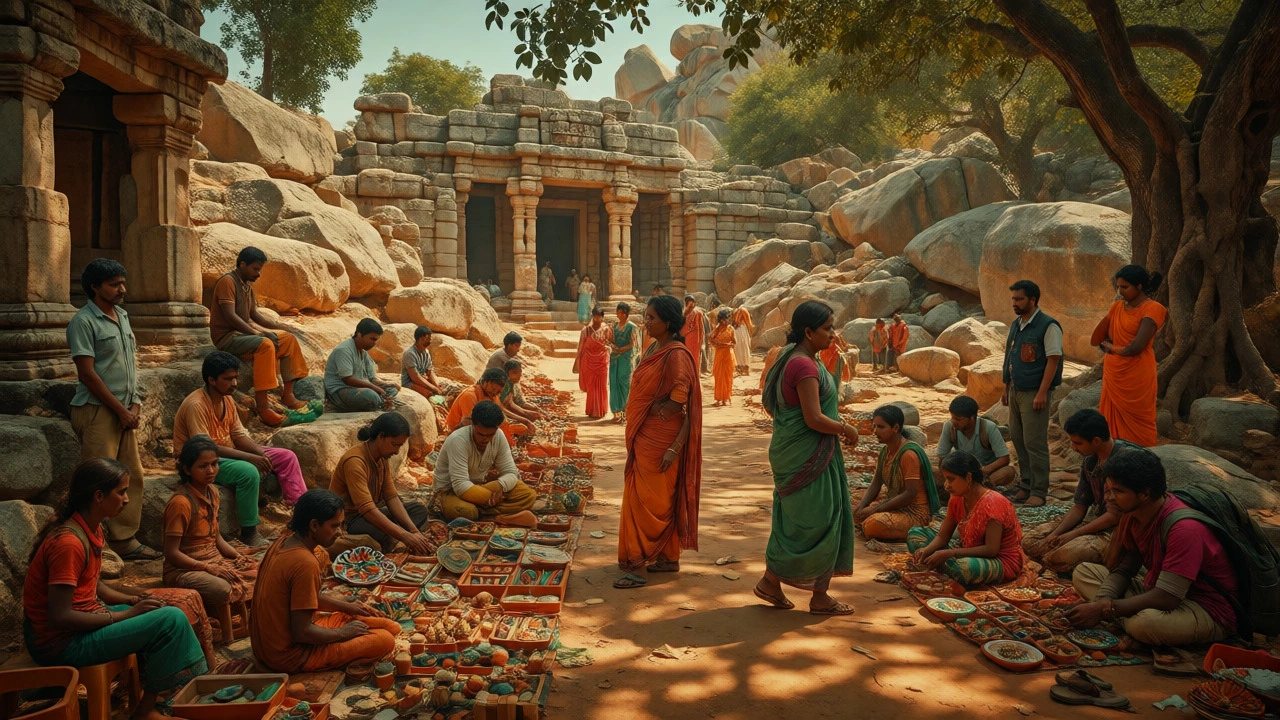
Consider Hampi in Karnataka. Before it became a UNESCO World Heritage Site, it was a quiet village. Today, it supports thousands of jobs. Hotel owners, guides, souvenir sellers, and transport providers all rely on the influx of visitors drawn by the ruins of the Vijayanagara Empire. This isn’t trickle-down economics; it’s direct revenue generation.
| Site Name | Primary Economic Driver | Estimated Annual Visitors (Pre-Pandemic) |
|---|---|---|
| Taj Mahal | International & Domestic Tourism | ~7-8 Million |
| Hampi | Budget Travel & Backpacking | ~500,000+ |
| Ajanta & Ellora | Cultural & Educational Tours | ~1 Million |
But it’s not just about ticket sales. The ecosystem around a heritage site includes food vendors, artisans keeping traditional crafts alive, and homestays run by local families. If the Taj Mahal were to disappear tomorrow, the economic shockwave in Agra would be devastating. Preservation, therefore, is an investment in livelihoods.
Living Museums of Architectural Innovation
Modern engineers often marvel at ancient Indian construction techniques. How did builders create the acoustic perfection of the Veerabhadra Temple in Lepakshi? How did they carve entire temples out of single rocks in Mahabalipuram?
These sites are laboratories of engineering and artistry. They demonstrate sustainable practices long before the term existed. For instance, stepwells like Rani ki Vav in Gujarat are multi-tiered underground water storage structures designed to harvest rainwater and cool the surrounding air. They solve two problems: water scarcity and temperature control, using zero electricity.
Studying these methods offers practical lessons for today’s urban planners. As cities face climate change challenges, looking back at how our ancestors managed resources can inspire smarter, greener solutions. Heritage sites preserve this technical knowledge, preventing it from being lost to time.
Fostering Social Cohesion and Education
School trips to forts and palaces do something textbooks cannot: they spark curiosity. When children see the scale of the Red Fort or the intricacy of Khajuraho sculptures, they engage differently. They ask questions. Why was this carved here? Who lived there? What happened during wars?
This active learning fosters critical thinking. Moreover, heritage sites often serve as community hubs. Festivals held at these locations, such as the Khajuraho Dance Festival or the Rath Yatra in Puri, bring people together across caste, creed, and class lines. These events reinforce social bonds and celebrate shared traditions.
In a rapidly globalizing world, where young Indians might feel disconnected from their roots, these sites offer a grounding force. They remind us that globalization isn’t new; India has been trading with Rome, Southeast Asia, and China for thousands of years. Understanding this history builds confidence and openness toward the wider world.
The Fragility of Preservation
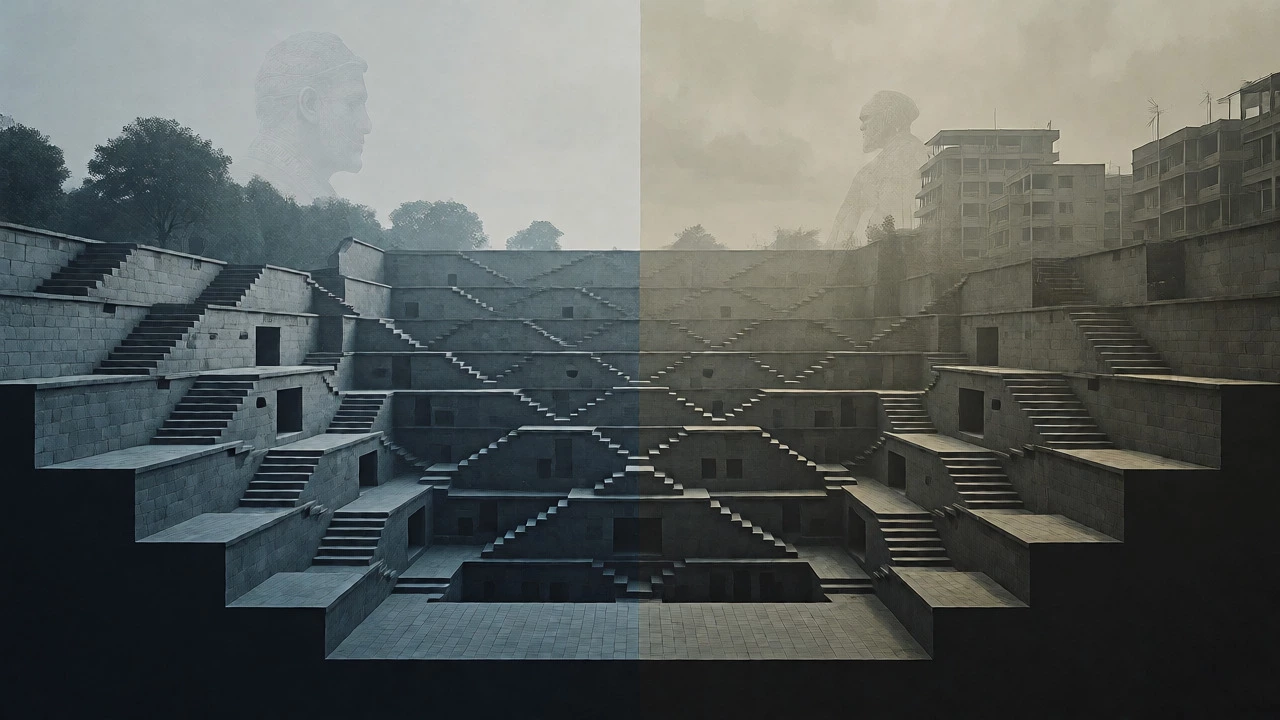
Here’s the hard truth: many of these sites are under threat. Pollution, unregulated construction, and mass tourism take a toll. The yellowing of the Taj Mahal due to acid rain is a well-known issue, but less visible damage occurs daily through foot traffic and vibration.
Preservation requires constant vigilance and funding. It’s not enough to declare a site protected; it needs maintenance. This is where public awareness plays a crucial role. When tourists respect rules-no littering, no touching delicate carvings-they contribute to preservation. When governments enforce zoning laws around heritage zones, they protect the visual integrity of these spaces.
We also need to balance access with conservation. Too few visitors mean the site dies economically and socially. Too many cause physical degradation. Finding this sweet spot is the ongoing challenge for bodies like the Archaeological Survey of India (ASI) and state heritage departments.
How You Can Help
You don’t need to be an archaeologist to make a difference. Your choices as a traveler matter. Here are simple ways to support heritage preservation:
- Visit responsibly: Follow posted guidelines. Avoid climbing on fragile structures unless explicitly allowed.
- Support local economies: Buy souvenirs from local artisans rather than mass-produced imports. Hire certified local guides who know the true stories.
- Spread awareness: Share photos and facts on social media to highlight lesser-known sites, distributing tourist pressure away from overcrowded hotspots.
- Advocate: Support NGOs working on restoration projects. Even small donations can help fund specialized conservation work.
Heritage sites are not static monuments gathering dust. They are dynamic parts of our present reality. They shape our economy, educate our youth, and define our cultural soul. Ignoring them means losing a piece of ourselves. Protecting them ensures that future generations can still walk through those same lanes and feel the weight of history beneath their feet.
What is the main purpose of heritage sites in India?
The main purposes are preserving cultural identity, boosting local economies through tourism, providing educational value, and maintaining architectural heritage for future generations.
How do heritage sites contribute to the Indian economy?
They generate revenue through ticket sales, create jobs in hospitality and guiding services, and support local artisans and businesses that cater to tourists.
Why is UNESCO recognition important for Indian heritage sites?
UNESCO recognition raises global awareness, attracts international tourists, and often brings additional funding and stricter protection standards to ensure proper preservation.
What are the biggest threats to heritage sites in India?
Major threats include pollution (acid rain), uncontrolled urbanization, vandalism, excessive footfall causing wear and tear, and lack of adequate maintenance funds.
Can tourists play a role in preserving heritage sites?
Yes, by following visitor guidelines, avoiding littering, respecting restricted areas, and supporting local businesses, tourists directly contribute to the sustainability of these sites.