Ethical Wildlife Sanctuary Checker
Use this tool to assess if the sanctuary you are visiting (or planning to visit) prioritizes animal welfare over tourist entertainment. Check the boxes that apply to the facility's current practices.
Assessment Result
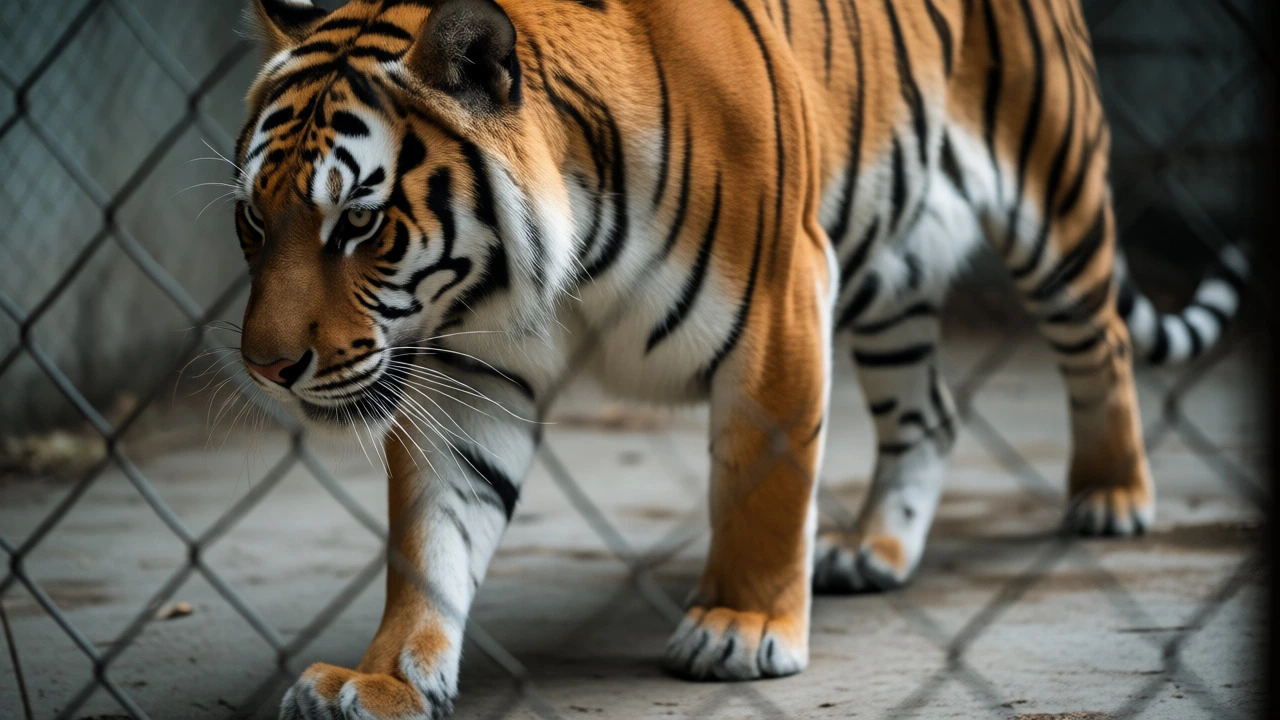
You’re standing in front of a tiger enclosure. The cat looks bored, pacing the same three steps back and forth. You paid good money to see this apex predator, but does your ticket actually help it survive, or just keep its cage clean? It’s an uncomfortable question that haunts every modern traveler who loves animals but hates seeing them suffer.
The truth isn’t black and white. Wildlife sanctuaries are not all created equal. Some are genuine conservation strongholds where animals roam free and human interference is minimal. Others are glorified zoos masquerading as refuges, prioritizing tourist selfies over animal well-being. Knowing the difference can mean the difference between supporting a noble cause and funding a prison with a gift shop.
What Actually Makes a Sanctuary "Ethical"?
Before you book a trip, you need a checklist. An ethical sanctuary operates on one core principle: the needs of the animal come first, always. If the animal’s comfort conflicts with the visitor’s experience, the visitor loses. Every time.
Here’s what to look for:
- No forced interactions: If you can hug a lion, ride an elephant, or hold a sloth, walk away. Wild animals don’t enjoy being handled by strangers. These interactions usually involve sedation or harsh training methods.
- Large, natural habitats: Enclosures should mimic the local ecosystem. A bear needs space to dig; a bird needs height to fly. Concrete floors and chain-link fences are red flags.
- Transparent conservation goals: Where does your money go? Ethical centers publish annual reports showing funds allocated to veterinary care, habitat restoration, and anti-poaching units.
- Rescue-focused mission: Most residents should be animals that cannot survive in the wild due to injury, orphaning, or illegal trade history. They shouldn’t be bred solely for display.
The Elephant in the Room: Riding vs. Observation
For decades, elephant riding was the highlight of many trips to Asia. Today, we know better. Elephants are highly intelligent, social creatures. Carrying humans on their backs for hours causes spinal injuries and chronic pain. The training process, often called phajaan or "the crush," involves breaking the animal’s spirit through isolation and physical punishment.
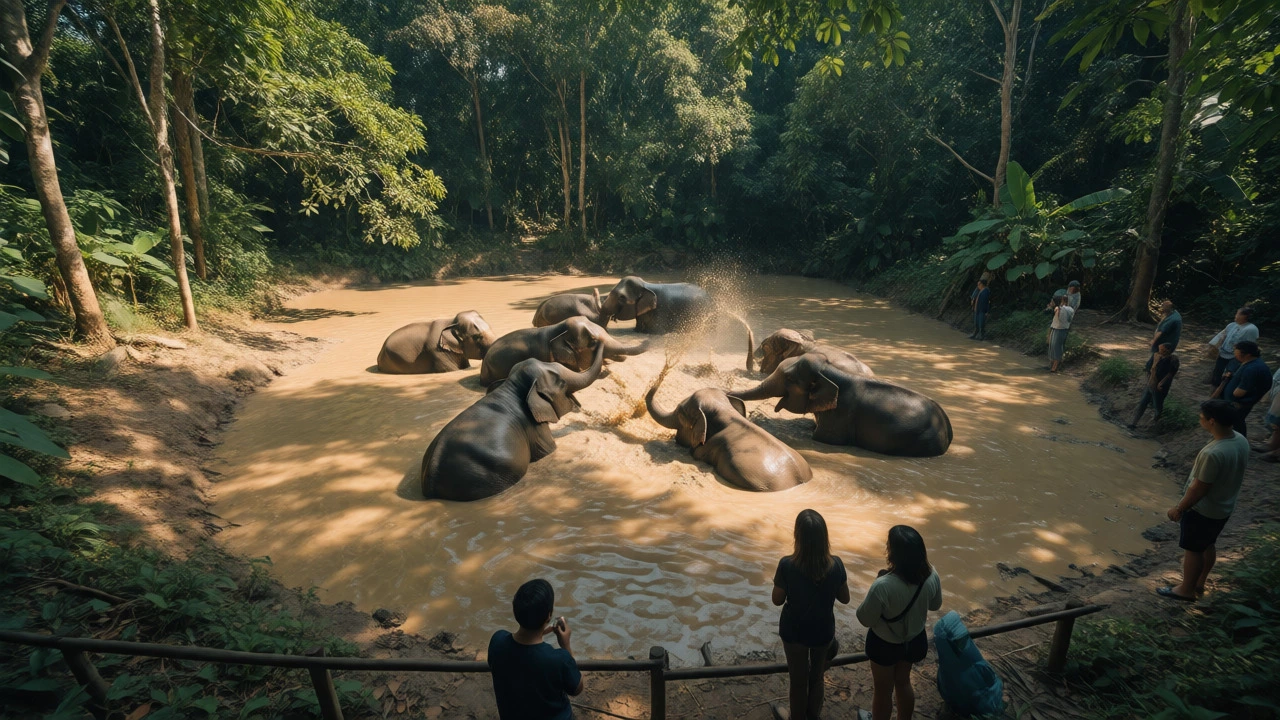
Modern ethical sanctuaries have shifted from riding to observation. You watch elephants bathe, play, and interact in mud pools from a respectful distance. This change hasn’t hurt revenue; in fact, tourists are increasingly willing to pay more for experiences that align with their values. It proves that empathy sells better than exploitation.
| Feature | Ethical Sanctuary | Exploitative Facility |
|---|---|---|
| Animal Interaction | Observation only; no touching allowed. | Riding, hugging, photo ops with cubs. |
| Habitat Design | Natural terrain, large roaming areas. | Small cages, concrete floors, chains. |
| Staff Behavior | Educators focused on conservation facts. | Handlers focused on posing animals for photos. |
| Funding Source | Tickets fund vet care and habitat maintenance. | Tickets fund entertainment infrastructure (shops, cafes). |
| Animal Origin | Rescued from conflict zones or illegal trade. | Bred in captivity specifically for tourism. |
Do Tourists Actually Help Conservation?
This is the big debate. Critics argue that tourism disturbs wildlife, increases stress levels, and introduces diseases. Supporters counter that without tourist dollars, many reserves would lose funding and face poaching threats. Who’s right?
Both sides have points, but the data leans toward managed tourism being beneficial if done correctly. In places like Kenya’s Maasai Mara or India’s Jim Corbett National Park, park fees directly fund anti-poaching patrols. When locals see profit from live animals, they become protectors rather than hunters. However, unregulated mass tourism-think hundreds of jeeps chasing one leopard-can disrupt breeding patterns and feeding habits.
The key is capacity management. Ethical sanctuaries limit daily visitors. They enforce strict noise rules. They close sections during breeding seasons. If a place lets anyone buy a ticket at any time, expect chaos and stressed animals.
The Problem with "Sanctuary" Branding
Here’s a dirty secret: there’s no global legal standard for what constitutes a "sanctuary." Anyone can slap that word on their sign. A roadside zoo with two lions might call itself a sanctuary to attract compassionate travelers. How do you cut through the marketing fluff?
Look for accreditation. Reputable organizations set high bars for membership. Check if the facility is affiliated with groups like the Global Federation of Animal Sanctuaries (GFAS) or similar regional bodies. These groups conduct audits. They check vet records, staff ratios, and habitat conditions. If a place claims to be a sanctuary but has no third-party verification, ask questions before you pay.
Also, read recent reviews with skepticism. Ignore the five-star ratings praising the cute baby monkey. Look for comments about cleanliness, animal behavior, and guide knowledge. Did the guide explain why the animal was rescued? Did they discourage flash photography? Those details matter more than the gift shop selection.

How to Choose Your Next Visit
You want to support ethical work, but you also want a memorable experience. Here’s a practical approach to planning your visit:
- Research before booking: Spend ten minutes reading the sanctuary’s "About Us" page. Do they mention rescue stories? Do they talk about release programs? Vague language is a warning sign.
- Check the schedule: Ethical places often have fixed visiting windows to minimize disturbance. Avoid places open from dawn to dusk with continuous crowds.
- Ask about food: Are animals fed natural diets? Hand-feeding sessions often use processed treats that aren’t healthy for wildlife.
- Observe from afar: Bring binoculars. Watching a tiger hunt naturally is far more impressive than watching it pose for a selfie.
If you’re traveling in India, consider places like the Ranthambore National Park buffer zones or established tiger reserves that prioritize low-impact tourism. In Southeast Asia, look for sanctuaries that have explicitly banned elephant riding and offer "observation-only" packages.
The Future of Wildlife Tourism
The industry is changing. Younger travelers demand transparency. Social media exposes bad practices quickly. A video of a chained bear goes viral faster than a brochure promises. This pressure forces facilities to adapt or die.
We’re seeing a rise in "rewilding" projects, where animals are gradually reintroduced to protected wilderness areas. These projects rely heavily on eco-tourism revenue to maintain land corridors. By visiting these sites, you’re not just seeing animals; you’re funding the landscape they need to survive long-term.
Ultimately, your wallet votes for the kind of world you want. Choosing an ethical sanctuary doesn’t mean giving up adventure. It means upgrading your perspective. You stop being a spectator and start being a stakeholder in conservation. And honestly? Seeing a wild animal behave naturally, unaware of your presence, is a thrill no staged photo op can match.
Is it wrong to visit a zoo instead of a sanctuary?
Not necessarily. Many modern zoos participate in vital breeding programs for endangered species and educate millions of people annually. However, if your goal is to see animals in natural behaviors, sanctuaries or national parks are superior choices. Always research the specific zoo’s conservation efforts before judging.
Why are elephant rides considered unethical?
Elephant spines are not designed to carry heavy loads like humans. Additionally, the training process to make an elephant accept riders often involves severe psychological trauma and physical restraint. Modern ethical standards favor observation over interaction to ensure the animal's physical and mental health.
Do my ticket fees really go to conservation?
In accredited ethical sanctuaries, yes. A significant portion covers veterinary costs, food, and habitat maintenance. However, in poorly regulated facilities, profits may go primarily to owners or entertainment amenities. Checking financial transparency reports or accreditation status helps verify this.
Can I take photos inside a wildlife sanctuary?
Usually, yes, but with restrictions. Flash photography is often banned because it stresses nocturnal animals or startles prey species. Drones are frequently prohibited due to noise and safety concerns. Always follow the specific guidelines posted at the entrance.
What is the difference between a national park and a sanctuary?
National parks are larger areas focused on preserving entire ecosystems, often allowing some recreational activities. Sanctuaries are typically smaller, focusing specifically on protecting certain species or rehabilitating individual animals. Sanctuaries often have stricter rules regarding human access to protect vulnerable populations.